US Commission Urges State Department to Designate India a ‘Country of Particular Concern’ over Muslim Persecution
The US Commission on International Religious Freedom (USCIRF) has accused India of targeting religious minorities, particularly Muslims, through its ongoing voter list revision process. The commission said millions of names have been removed from electoral rolls across the country, while many Indian Muslims are being labelled ‘foreigners’ and unlawfully deported.
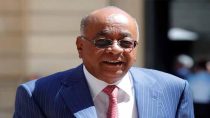
In a statement on Thursday, USCIRF Chair Asif Mahmood said, “The Indian government is removing Muslim citizens from voter rolls, labelling them ‘foreigners’ and now unlawfully deporting them.”
He said the crackdown had intensified after India’s Union Home Minister Amit Shah described Muslims as ‘infiltrators’ and called for their expulsion.
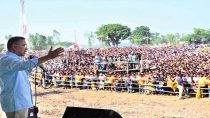
On November 2, Amit Shah claimed that the three crore voters removed from electoral rolls through the Special Intensive Revision (SIR) were ‘Bangladeshi infiltrators’. At an election rally in Haryana on November 5, he said the BJP was committed to identifying infiltrators, removing their names from voter lists and deporting them one by one.
Largest voter purge in India’s history
India has witnessed the largest voter list purge in its history, with nearly 13 crore names reportedly removed.
According to the Election Commission of India, around 7.2 crore names were deleted from electoral rolls in 13 states and Union Territories in the first two phases. In the ongoing third phase, another 6.16 crore names have so far been removed from rolls across 18 states and Union Territories.
The process began in Bihar in 2025 and expanded in 2026. Data analysis suggests that Muslims, India’s largest minority community, have been disproportionately affected since the Hindu nationalist Bharatiya Janata Party (BJP), led by Prime Minister Narendra Modi, came to power in 2014.
According to Kolkata-based research organisation Saber Institute, around 90 lakh voters were removed from electoral rolls in West Bengal earlier this year ahead of the state assembly election. Of the 27 lakh voters excluded following an intensive review, nearly 70 per cent were Muslims, although Muslims account for 27 per cent of the state’s population.
The BJP won the election, taking power in West Bengal for the first time. Saber Institute founder Sabir Ahmed said voter deletions played a significant role in determining the election outcome, despite dissatisfaction with the ruling party.
Removal from voter rolls does not establish that a person is a foreign national. However, the exercise has been linked to efforts to identify and deport undocumented migrants, including alleged push-ins into Bangladesh.
India’s Supreme Court upheld the legality of the revision process in May but clarified that the ruling did not authorise the Election Commission to determine anyone’s citizenship.
Despite this, ration cards of people removed from electoral rolls are being cancelled in BJP-governed states, while police are refusing to allow passport renewals.
Reuters spoke to 10 families who faced detention, interrogation or deportation after their names were removed from voter lists. All of them had Indian identity documents and family records, while the names of their parents and siblings remained on electoral rolls.
One of them is 38-year-old Shahida Fakir. On July 19, she left her home in Mumbai to buy vegetables. Three months later, she found herself taking refuge in a village in Bangladesh, separated from her husband and two children.
Fakir alleged that plainclothes police officers detained her, seized her mobile phone containing copies of her identity documents and subsequently forced her across the border into Bangladesh. Court records showed that the officers were members of the Mumbai Police Crime Branch.
According to documents, Fakir’s parents and grandparents had been registered voters in Swarupnagar, West Bengal, since India’s first national election in 1952. Her own name had been on the electoral rolls since 2008.
Her family filed a petition with the Supreme Court in August, arguing that no one could be deported solely because their name had been removed from voter lists.
In another petition filed with the Calcutta High Court, five people, including utensil seller Nasiruddin Sheikh, said police detained them and labelled them ‘Bangladeshis’ despite their appeals against removal from electoral rolls being pending before a special tribunal.
Call for ‘Country of Particular Concern’ designation
USCIRF Commissioner Jean Mills said deporting citizens from their own country on the basis of religious identity sets a disturbing precedent for targeting minorities.
She urged the US State Department to designate India as a ‘Country of Particular Concern’ (CPC) for severe violations of religious freedom.
Earlier on Wednesday, Indian-origin US Congresswoman Pramila Jayapal also expressed deep concern over reports that 13 crore names had been removed from draft voter lists and called for free and fair elections.
New Delhi’s response
India’s Ministry of External Affairs has repeatedly dismissed USCIRF as ‘biased’ and ‘politically motivated’, describing its remarks as interference in the country’s internal affairs.
On November 14, India’s ambassador to the United States urged the commission to introspect about its own ‘prejudices’ rather than lecturing others.
Meanwhile, the Election Commission of India has said the revision was aimed at removing the names of deceased, relocated and ineligible voters. It added that those whose names had been mistakenly removed could have them restored through an appeal.
Protests have been taking place across India since October 2 over alleged irregularities in voter list revisions and demands for the resignation of Chief Election Commissioner Gyanesh Kumar.
However, last month, US Secretary of State Marco Rubio declined to comment on the issue, describing it as India’s ‘internal political matter’.
Source: Reuters.