Iran Warns US: No Talks Until Seven Conditions Are Met
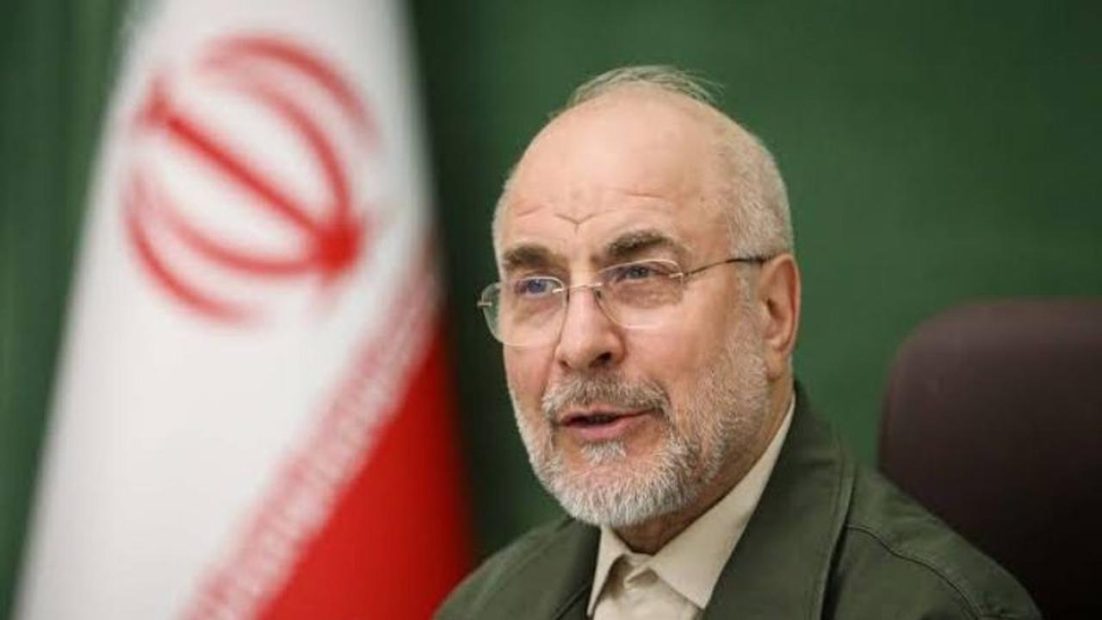
Iranian Parliament Speaker and top negotiator Mohammad Bagher Ghalibaf has said that Iran will not hold talks with the United States or take any steps until seven conditions are met.
Speaking at an open parliament session on Tuesday, he gave a strong warning that Iran would respond firmly if its opponents made any wrong move. He also said Iran was ready to change the situation on the battlefield.
What Did Ghalibaf Say?
According to Iranian media reports, Mr. Ghalibaf repeated his position in response to recent comments and threats by US President Donald Trump and US Treasury Secretary Scott Bessent. He said Iran’s position was clear and would not change. According to Mr. Ghalibaf, threats against Iranian citizens and growing economic pressure show the weakness of Iran’s opponents.
On Monday, Mr. Ghalibaf also said that the United States was trying to put Iran in a situation of “neither war nor peace.” He said this situation must end. He stressed that Iran must become stronger from within to build lasting defence power. He also said keeping national unity strong was very important during the current tensions.
Iran’s Seven Conditions
Mr. Ghalibaf first mentioned the seven conditions in October. Iranian authorities have not officially released the full list. However, regional and international reports have identified the main conditions as:
- Ending the US naval blockade of Iranian ports.
- Lifting unilateral sanctions and allowing Iran to export oil.
- Ensuring safe movement of commercial and oil ships through the Strait of Hormuz.
- Releasing frozen Iranian assets.
- Ending military operations and hostile actions on all fronts, including Lebanon, and officially declaring the end of the war.
- Paying compensation for the damage caused by the conflict.
Background and Rising Pressure
Tensions reached a high level at the beginning of this year. A framework agreement was signed in June, but talks later stopped because of disagreements over security in the Strait of Hormuz.
At the beginning of July, fighting between the two sides broke the ceasefire. Ship movement through the Strait of Hormuz then almost stopped.
In recent weeks, Washington has increased pressure on Tehran. US President Donald Trump has suggested that he could consider new attacks after the new year if no agreement is reached.
US Treasury Secretary Scott Bessent has also promised to break Iran’s financial network and announced a series of new sanctions. Amid these growing tensions, Tehran has made its position clear: Iran will not return to the negotiating table unless its conditions are met.