Lifestyle Diseases Emerge as the World’s Leading Cause of Death
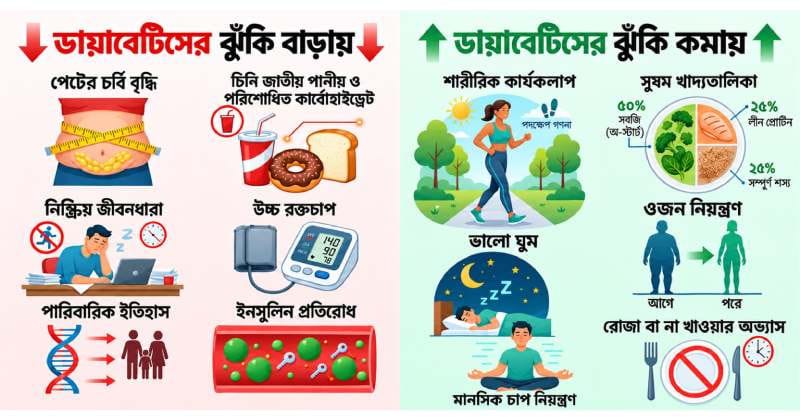
Non-communicable diseases (NCDs) such as diabetes, hypertension, heart disease, stroke, and hormonal imbalances have turned into a pervasive health crisis, now accounting for nearly two-thirds of all global deaths and disability, according to the Global Burden of Disease Study 2023 by the Institute for Health Metrics and Evaluation (IHME). In Bangladesh, the situation is equally alarming, with NCDs responsible for approximately 67% of total mortality. Data from icddr,b reveals that in 2015, around 7.1 million Bangladeshis lived with diabetes, while another 3.7 million remained undiagnosed, leading to roughly 129,000 deaths from diabetes-related complications that year.
Unlike infectious illnesses, NCDs do not spread from person to person; instead, they are driven primarily by unhealthy daily habits that gradually break down the body’s internal systems. Persistent overeating, excessive sugar consumption, highly processed foods, lack of physical movement, irregular sleep patterns, and chronic mental stress create a destructive cascade where one metabolic failure triggers another. As these silent conditions damage vital organs without obvious initial symptoms, patients frequently rely on long-term medications that carry distinct side effects, leading to multi-organ failure, severe complications, and premature death within an unsuspecting public.
At the cellular root of over 70 to 80 lifestyle-related conditions lies insulin resistance, a state where body cells cease responding effectively to insulin due to constant excess glucose and elevated hormone levels in the bloodstream. When individuals consume food beyond their physical energy requirements and remain sedentary, the body loses its ability to transport sugar into cells efficiently. Over time, this unresolved cellular malfunction dramatically heightens the risk of acute life-threatening emergencies and irreversible damage, including heart attacks, strokes, chronic kidney failure, vision loss, fatty liver, PCOS, and progressive neurological degeneration like Alzheimer’s disease.
Reversing this epidemic requires target-driven daily habits that restore insulin sensitivity and facilitate natural cellular healing. Adopting a natural, balanced diet free from refined sugars and processed products significantly reduces systemic glucose spikes. Furthermore, incorporating extended breaks between meals triggers autophagy, a biological repair process where cells clear out damaged components and rejuvenate. Complementing nutrition with at least thirty minutes of daily walking or regular physical exercise enables muscles to absorb glucose directly, while disciplined sleep schedules lower metabolic strain and allow the body to naturally heal and repair itself every night.
Addressing the mental dimension of health is equally essential, as reducing chronic stress through mind-body practices calms the nervous system and lowers circulating stress hormones. Highlighting these core principles, Mohammad Ariful Islam, Deputy Managing Director of JK Lifestyle, stated: ‘To reduce the risk of non-communicable diseases and ensure a healthy life, it is essential to bring positive changes to daily habits. In particular, a balanced diet, regular physical exercise, adequate sleep, and mental peace play vital roles in managing insulin resistance. Wellness is not a one-time effort; rather, a sustainable healthy lifestyle can be built over the long term through consistent practice and proper guidance.’
Sustainable protection against non-communicable diseases cannot occur overnight, but develops through consistent, incremental habit adjustments guided by structured wellness approaches. Specialised healthcare organisations like JK Lifestyle emphasise that preventing disease through holistic lifestyle integration, spanning nutrition, active movement, adequate rest, and stress control, is far superior to managing chronic illness with lifelong medication. By taking proactive ownership of daily choices today, individuals and families can break the cycle of chronic illness, safeguard critical organs, and secure a healthier, more resilient future.