Malaysia’s Labour Market Opportunity Must Be Seized

After a long dry spell and many hurdles, the door to Malaysia’s labour market is about to open. The Minister of State for Expatriates’ Welfare and Overseas Employment, Mr. Nurul Haque Nur, said workers will go first through the state agency Bangladesh Overseas Employment and Services Limited (BOESL) from the start of next month. Private recruiting agencies will follow in stages. He shared the good news on Wednesday at a migration dialogue in Dhaka organized by Witness Foundation. The dialogue was titled “Preventing irregular and risky migration and ensuring accountability of sub agents”. The title itself shows the crisis around the Malaysian labour market.
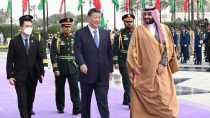
The crisis in sending workers to Malaysia is old. Top level moves, proposals and recommendations were made, and a deal was even reached at the G2G level to hire Bangladeshi workers at very low cost. Still, it was not carried out. Sheikh Hasina’s personal efforts and diplomacy over the last few years also had little effect. Several months before her fall, Bangladeshi workers were barred from entering Malaysia on 31 May 2024. New hope rose under the interim government led by Dr. Muhammad Yunus. Malaysian Prime Minister Mr. Anwar Ibrahim visited Dhaka, and Dr. Yunus visited Malaysia. Prime Minister Mr. Tarique Rahman also went to Malaysia before his first trip abroad to China. The ice on sending workers began to melt through these visits and the countries’ strategic positions on bilateral and regional issues.
For some time, there was little hope in domestic and regional politics and economy. The Middle East war, the energy crisis and a lack of investment point to more complex troubles in overseas jobs. Some hope has appeared now. Mr. Netanyahu’s defeat in the Israeli election has raised the chance of an end to the war in the Middle East. Even during war, countries did not stop domestic production or infrastructure work. Huge building work is under way for the 2030 development targets and the 2034 FIFA World Cup in Saudi Arabia. Bangladeshi workers can take a larger part in it.
With the political change in Israel and the chance of peace, new energy will come to infrastructure and economic work across the Middle East, including Kuwait, Qatar and the United Arab Emirates. Bangladesh will be a part of it. If Bangladesh can use the chance to send several lakh more workers to Malaysia, Saudi Arabia and other major markets before its economic reforms are done, it can ease its economic crisis. This may speed up the goal of becoming a trillion dollar economy. Before the 13th national election, the BNP manifesto promised overseas jobs for at least 1 crore people in five years.
Reopening the Malaysian labour market marks a good start on one important part of Mr. Tarique Rahman’s election promise. We hope other countries will follow slowly. However, the murky work of syndicates and the high cost of migration were seen as the biggest barriers to sending workers to Malaysia. Malaysian authorities offered flexible terms to hire workers at government level for less than Tk 1 lakh. But the effort failed because of the inefficiency and dishonesty of some in the government, and a syndicate backed by ministers, MPs and bureaucrats.
Sending a worker to Malaysia from India, Pakistan, Nepal or Sri Lanka costs at most Tk 1.5 lakh. Bangladeshi workers must spend Tk 6 lakh to Tk 8 lakh. This high cost puts Bangladeshi workers under many problems and economic and mental stress. That is why the Malaysian government offered to hire workers on a G2G basis at almost no cost or under Tk 1 lakh. The syndicate’s tricks spoiled that offer. A new chance has come now, but there is still a lack of transparency in choosing recruiting agencies and in the total cost. Some say the cost per person may be about Tk 7 lakh. This is at least three to four times higher than in neighbouring countries.
Transparency must be ensured in the whole hiring process, including migration costs, in line with Malaysia’s policies and expected compliance. Sending workers to Malaysia must not be left to any syndicate. Success through BOESL in the first phase can serve as a pilot project. After that, selected recruiting agencies can send workers under government rules and policy. Officials of Bangladesh missions in Malaysia and the Middle East must clear their past bad name and create a worker friendly setting. They must take more care in solving travel and workplace problems of expatriate workers, who keep the economy running. The government must act effectively at a high level to strengthen diplomatic and strategic ties with labour market and trade partner countries. Every chance must be used through quick decisions and action.