Unregulated Autorickshaws in Rangpur Drain 40MW of Electricity Daily
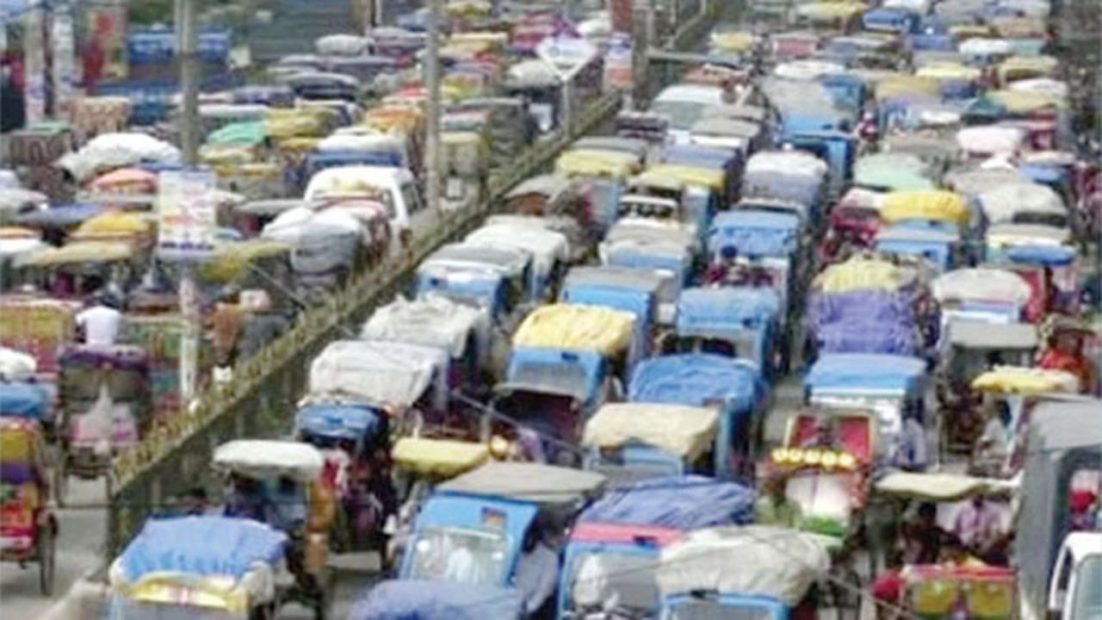
Rangpur city has increasingly turned into a city of autorickshaws, with battery-powered autorickshaws and easy bikes operating without proper control. Their growing presence on city roads and highways has become a major concern. Accidents occur regularly due to reckless driving, untrained drivers and vehicles travelling at high speeds. Moreover, charging these vehicles consumes an additional 30–40 megawatts of electricity every day, placing further pressure on the power distribution system. Without urgent control measures and a proper policy, the situation could become even more serious.
Rangpur is the country’s second-largest city corporation, comprising 33 wards. From major roads to smaller streets, battery-powered autorickshaws and easy bikes have taken over much of the city’s road network. Their uncontrolled movement has made traffic management increasingly difficult.
Commuters frequently face traffic congestion due to random parking, unauthorised stands and passengers getting on and off vehicles at unregulated locations. As Rangpur is a divisional city, millions of people from neighbouring districts and upazilas visit the city regularly. The growing number of autorickshaws used for transportation has further increased traffic congestion and public suffering.
A visit to different parts of the city shows that important roads are crowded with battery-powered autorickshaws and easy bikes. Drivers frequently stop wherever they find passengers, while many others form long queues at different points, waiting for passengers. These vehicles create congestion and make it difficult for pedestrians to cross roads.
Despite traffic laws and administrative restrictions, many autorickshaws and easy bikes continue to operate without control, posing a serious threat to the safety of pedestrians and city residents. More than 200,000 battery-powered autorickshaws, easy bikes and vans, both registered and unregistered, are operating across Rangpur city and its eight upazilas. At least 100,000 of them are estimated to be operating within Rangpur City Corporation alone.
According to the city corporation’s licensing department, around 40,000 battery-powered autorickshaws, easy bikes and vans are registered in the city. However, more than 100,000 vehicles, including unregistered and outside vehicles, are operating there.
City corporation sources said the licensing fee is Tk 17,700 for an autorickshaw and Tk 3,300 for an easy bike or van. The city corporation has stopped issuing new licences for these vehicles over the past few years. Only existing licences are being renewed. However, transferring an old autorickshaw licence through private transactions can cost as much as Tk 100,000.
Mizanur Rahman Mizu, an official of the Rangpur City Corporation’s licensing department, said the issuance of autorickshaw licences had been suspended and no new licences were being issued. Existing licences remain valid and are being renewed. Legal action is being taken against those who fail to renew their licences.
Accidents Rising Due to Unskilled Drivers
Uncontrolled movement, excessive speed and unskilled drivers are contributing to frequent accidents across the city. These vehicles operate freely on city streets, neighbourhood roads, regional roads and even highways.
Although battery-powered autorickshaws are prohibited from using highways, many continue to operate there, increasing the risk of accidents.
According to Highway Police data, 195 accidents occurred on national and regional highways in the Rangpur region over the past year, claiming 146 lives. Many others have suffered permanent physical disabilities, although no accurate figures are available.
Consuming 30–40 Megawatts of Electricity Every Day
An investigation found that most five-battery autorickshaws, operating at 60 volts, are equipped with motors ranging from 1,000 to 1,200 watts. Most vehicles use 1,200-watt motors. Each autorickshaw requires around 10–12 units of electricity for daily charging. Older batteries may consume up to 15 units. In addition to autorickshaws, there are battery-powered easy bikes and vans.
Together, these vehicles consume an additional 30–40 megawatts of electricity daily in the city. Charging takes place at both authorised and unauthorised charging points, creating an additional burden on the power distribution system.
Investigations have identified more than 100 garages and charging points for battery-powered easy bikes, autorickshaws and e-bikes in Rangpur city and surrounding areas. Although most of these garages have legal electricity connections, illegal electricity consumption reportedly takes place from 10pm until the early hours of the morning, allegedly with the assistance of dishonest electricity department employees.
As a result, the power distribution authorities are facing significant monthly system losses. These losses are ultimately being passed on to legitimate electricity consumers in various ways.
Lack of Employment Increasing Dependence on Autorickshaws
Many people believe that the demand for and dependence on autorickshaws are increasing due to a shortage of industries and employment opportunities. An autorickshaw driver typically pays the vehicle owner Tk 500–550 per day and earns an additional Tk 400–600. On some days, the earnings are even higher. This provides a reasonable source of income for unemployed people.
As a result, many unemployed young men and other male family members are driving autorickshaws to support their families. In areas like Rangpur, these vehicles have become an important source of livelihood for unemployed youths. However, the lack of effective measures and proper management has allowed these vehicles to operate uncontrollably on roads and highways.
Many believe that instead of banning these vehicles, the authorities should introduce effective measures to regulate their movement. A complete ban could lead to an increase in theft, snatching and other criminal activities across the country. Many young people could also lose their livelihoods and become involved in unlawful activities.
An official of Rangpur City Corporation said regular drives and fines had failed to stop the operation of unregistered vehicles. Enforcement drives are conducted every month, but the problem persists. The official also said the lack of alternative roads in the city was worsening traffic congestion and increasing public suffering. The traffic police are also making efforts to address the situation.
However, the official stressed that law enforcement alone could not solve the problem. Coordinated efforts, public cooperation and greater awareness are essential to bring the situation under control.