Iran War and Ties with Israel Behind Republican Defeat: Vance
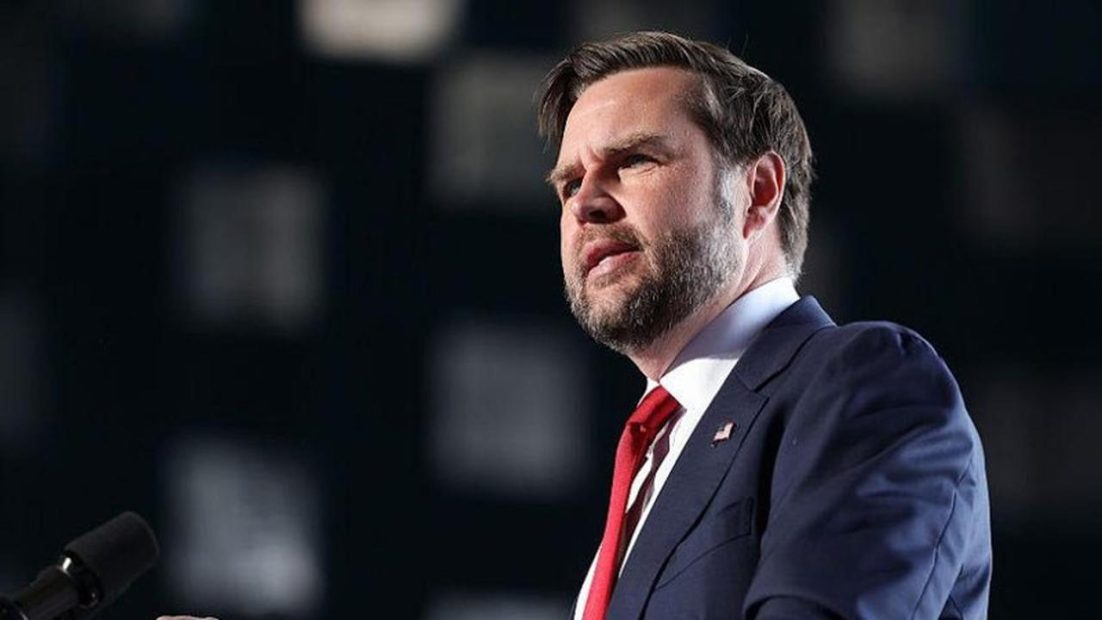
Vice President JD Vance believes dissatisfaction over the war with Iran and the United States’ relationship with Israel were among the main reasons behind the Republican Party’s electoral defeat. However, he said voters were also concerned about the cost of living, inflation and the demand to follow an ‘America First’ policy.
In the November 3 US midterm elections, President Donald Trump’s Republican Party suffered a major defeat. The opposition Democratic Party won control of both chambers of Congress, the House of Representatives and the Senate. The outcome is expected to significantly limit the Trump administration’s ability to influence legislation and policymaking. Analysts view the results as a reflection of voters’ lack of confidence in Mr. Trump’s leadership and his administration’s policies.
In a lengthy post on social media platform X on Wednesday (November 4), Mr. Vance said many people who voted for him and Mr. Trump in the 2024 presidential election had supported Democratic candidates this time. He said the Republicans had seriously miscalculated their ability to retain their voter base.
Citing a pollster who had predicted the election outcome, Mr. Vance said four key issues emerged when voters who had abandoned the party were asked what it would take to win them back.
Mr. Vance’s list included ending the war with Iran, focusing on controlling the cost of living and inflation, following an ‘America First’ policy, and changing the nature of the US relationship with Israel. In other words, he believes dissatisfaction over the war and ties with Israel, alongside domestic economic pressures, played a significant role in the Republican defeat.
Mr. Vance also referred to advice from a conservative television personality who had advocated a diplomatic solution to the Iran conflict. He said the person’s political advice had been correct. He then stated directly, “We lost because of this war. The President himself said so last night.”
His remarks, rather than defending the war or justifying its continuation, are being seen as a sign of growing public distance between Mr. Vance and the Trump administration’s policies.
Following the election results, Mr. Trump also acknowledged on Tuesday night that Republican candidates had been hurt by rising energy prices caused by the Iran war. However, he maintained his position on the decision to launch the war. Asked about Mr. Vance’s comments on Wednesday, Mr. Trump said he had no disagreement with the Vice President’s assessment. At the same time, he argued that military action was necessary to prevent Iran from acquiring nuclear weapons and that he would make the same decision again if given the opportunity.
Opinion polls released after the election have also highlighted American voters’ dissatisfaction with the Iran war. In a survey of more than 100,000 voters conducted by the Associated Press (AP), nearly six in 10 respondents said the US decision to launch military operations in Iran was wrong. However, according to the survey, the war was not the most important issue influencing voters. The cost of living and government corruption mattered more to them.
It is worth noting that the United States and Israel jointly launched military operations against Iran on February 28. Reports had emerged before the war that Mr. Vance opposed such military intervention. However, after the war began, he did not publicly challenge Mr. Trump’s decision. Instead, in an interview last summer, he said the war could be considered worthwhile if it brought fundamental changes to the situation in the Middle East. He later supported efforts to negotiate an end to the conflict with Iran.
Differences between Mr. Trump and Mr. Vance have also become evident over relations with Israel. While Mr. Trump has strongly backed Israeli Prime Minister Mr. Benjamin Netanyahu, Mr. Vance has taken a more cautious position. Ahead of Israel’s national election last month, Mr. Trump endorsed Mr. Netanyahu, but Mr. Vance did not.
In June, Mr. Vance criticised several members of the Israeli government for opposing Mr. Trump’s diplomatic efforts to end the Iran war. In an interview in July, he accused parts of the Israeli government of trying to influence American public opinion to prolong the war.
Last month, Mr. Vance also said Israel’s position on Middle East policy should not take precedence over US policy. He argued that Washington must prioritise its own national interests.
Observers view these remarks by Mr. Vance, who is considered a potential Republican candidate in the 2028 presidential election, as an attempt to highlight his differences with Mr. Trump’s foreign policy.
Sources: The Times of Israel, Reuters.