Opposition submits notice for parliamentary discussion
Garment sector production falls 30 percent amid power and gas crisis
Garment factories in the country have lost 25 to 30 percent of their production capacity. The cause is a lack of uninterrupted gas and electricity supply and a severe fuel crisis. As a result, buyers in the international market are cancelling orders, and the industry is facing heavy losses.
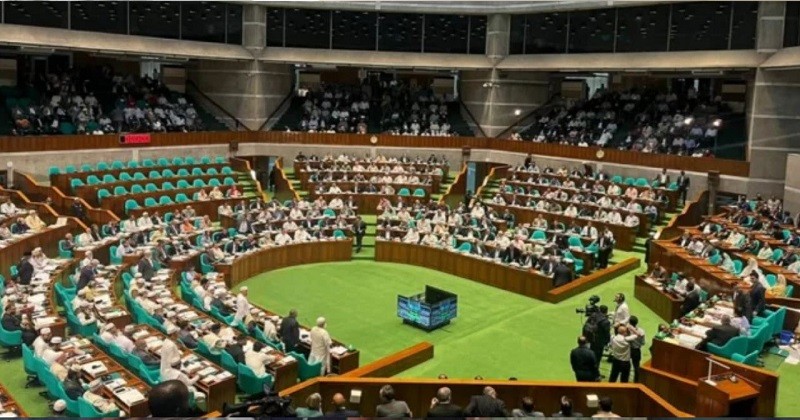
The opposition party has submitted a notice in the fourth session of Parliament. It seeks a decision on holding a general discussion in Parliament to keep factories running and protect the national economy. On Monday (9 November), Pabna-1 constituency lawmaker Mr. Mohammad Nazibur Rahman submitted the notice to the Jatiya Sangsad Secretariat.
The notice states that the ready made garment (RMG) sector is the backbone of the Bangladesh economy. It provides more than 80 percent of the country’s total export earnings. About 4 million workers are employed in the sector, and many more people depend on it directly or indirectly. So the stability of the sector is closely tied to economic growth, foreign currency earnings, job creation and social cohesion.
However, the industry now faces a serious threat because of the severe fuel crisis. Factory productivity and capacity have dropped sharply due to the lack of uninterrupted power and gas supply, low gas pressure, the global disruption in the Middle East and limits on diesel supply. According to recent reports, production capacity in the garment sector has fallen by 25 to 30 percent.
Because of this, foreign buyers are being forced to cancel their international purchase orders. This causes financial losses for factory owners. It also harms the country’s image in the international market and raises security risks.
Along with the fuel crisis, the notice points to unrest among workers. Workers are taking to the streets over fair wages, rising living costs and various forms of discrimination and demands at their workplaces. In many cases, peaceful and organised talks are failing, and owners are forced to shut factories. The notice also expresses concern that some may try to portray Bangladesh in a negative political light in the international arena.
The notice also warns that selfish and fascist groups may try to use the fair demands and ongoing unrest of workers to destabilise the industrial sector and damage the economy. It says the government, owners and workers must act responsibly and together, stay sensitive to workers’ rights and demands, and stop any kind of provocation.
The notice also stresses making proper use of the three year period given to Bangladesh to graduate from least developed country (LDC) status. New opportunities can be opened by raising the capacity of the garment industry, diversifying products, finding new markets, improving technology and attracting international investment. For this, it is very urgent to prepare a well planned and sustainable national action plan for the next three years.
The notice adds that clear goals must be set to overcome the crisis in the garment sector, which is the heart of the economy. These goals should ensure job security for workers, build uninterrupted fuel management and handle the challenges after LDC graduation with skill. Considering the public interest, the notice formally calls for a detailed general discussion on the matter in Parliament without delay.