Held Hostage in Hill Hideout While Dreaming of Malaysia, Litu Recounts Ordeal After Army Rescue
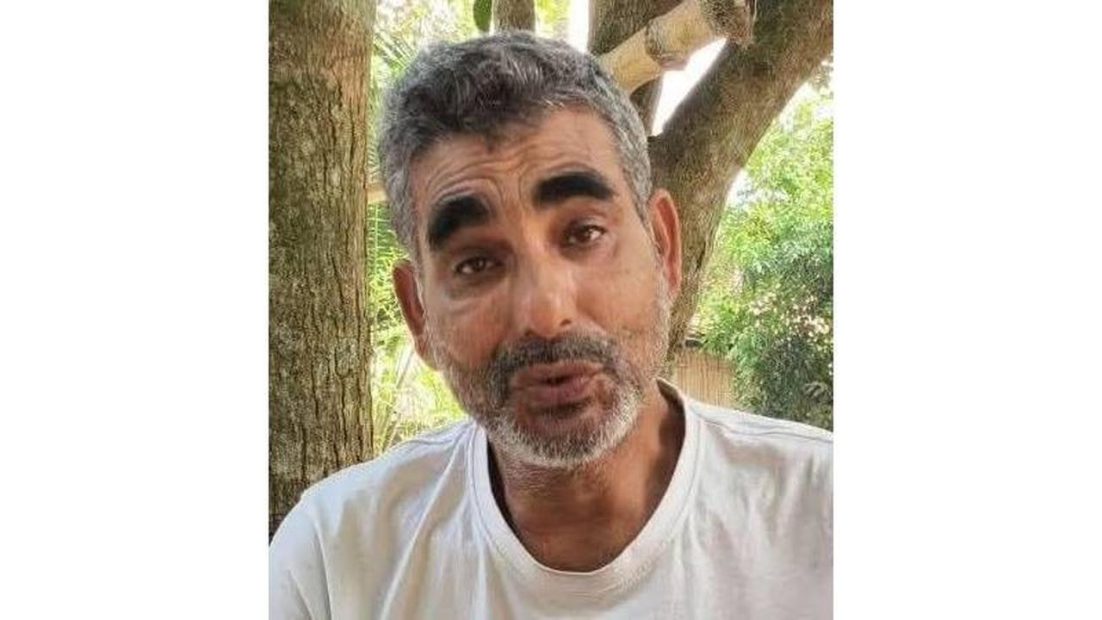
The dream of a better life in Malaysia has turned into a nightmare for many aspiring migrants. The horrific experience of SM Asaduzzaman Litu, who was rescued from a human trafficking hideout in a Bangladesh Army operation, offers a grim picture of the situation.
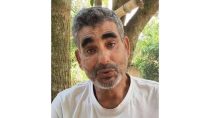
After being held captive for days in a remote hill hideout in Teknaf, Cox’s Bazar, Mr. Litu has recounted the brutal torture, ransom demands and disturbing activities of the trafficking gang.
In an exclusive interview with the media, Mr. Litu urged people not to travel to Malaysia by sea, saying traffickers hold people hostage, torture them and demand ransom. He also alleged that the traffickers threatened to sell human organs.
How Mr. Litu Fell into the Traffickers’ Trap
Mr. Litu said he had been working as a caretaker at a betel nut garden owned by a man named Mr. Atik in Cox’s Bazar. Through this job, he became acquainted with four or five Rohingya people involved in trading various goods from Myanmar.
Over time, he became interested in doing business with them. One day, a Rohingya man named Mr. Enamul called him, claiming to have opened a hotel and asking him to come to Cox’s Bazar.
Following the invitation, Mr. Litu reached Cox’s Bazar and was directed to the Kutupalong Rohingya camp. After having a meal at a hotel named Zamzam, he was taken to a registered camp, where he spent the night with three or four young men.
The following morning, he was taken to Teknaf on a motorcycle on the pretext of offering him work. After being given milk tea at a roadside shop, he was led into a narrow alley, where his mobile phone was confiscated. That was when he realised he had been taken hostage.
Around 130 People Held in a Small Hut
According to Mr. Litu, the hideout was a small hut in a remote hilly area. At one point, he saw around 130 people being held there.
He said nearly 100 people were sent by sea towards Malaysia and Thailand the following day. Around 50 more people were brought to the hideout the next morning. New victims were reportedly brought there every day. While some managed to secure their release, many were never heard from again.
He alleged that the trafficking network operated in different districts across the country, targeting even teenagers aged 15 to 17 with various false promises.
Transferred Between Traffickers, Tortured for Eight Days
Mr. Litu said Mr. Enamul handed him over to two men named Mr. Fatu and Mr. Kaifa. He alleged that members of the trafficking network regularly transferred captives among themselves.
Initially, he was promised work at a poultry farm and as a construction worker in Teknaf. However, upon arrival, he was detained.
He said they were held hostage for eight consecutive days and subjected to physical and mental torture, including beatings. The traffickers also attempted to extort money from their families through threats and intimidation.
Mr. Litu alleged that several people were killed in front of him. Captives were taken outside one after another, and many never returned. Anyone who questioned their disappearance was threatened with death. He also claimed that some victims were killed and buried in the hills.
Traffickers Spread Fear by Threatening to Sell Human Organs
Describing the brutality, Mr. Litu said the torture was beyond words. The traffickers frequently threatened to take people to different countries and sell their organs.
He said these threats left him terrified, forcing him to constantly pray to Allah.
According to him, those whose families could not afford the ransom were threatened with death in the remote hills. Many of those taken away never returned.
Tk 400,000 Demanded Per Person to Send Them to Malaysia
According to Mr. Litu, the trafficking network operating around Malaysia and Thailand involved brokers at different levels. He claimed that brokers received commissions ranging from Tk 3,000 to Tk 10,000 per person, while around Tk 400,000 was charged for sending each person to Malaysia.
He said the captives were photographed before being placed on trawlers for the sea journey. Their photographs were sent to the main brokers. Once their families paid the required money, arrangements were made for their release. Those unable to pay never returned home.
Mr. Litu claimed that he had also been offered release from the hideout in exchange for Tk 200,000.
Armed Men Guarded the Secret Hill Hideout
Mr. Litu described the hideout as an extremely remote location in the hills, making it difficult for law enforcement agencies to reach.
According to him, different members of the gang had different responsibilities. Some looked after weapons, others cooked, while armed men maintained surveillance from elevated positions.
Mentioning a man named Mr. Khuila, Mr. Litu said he was involved in repairing weapons and keeping watch from higher ground.
He claimed that the gang possessed locally made cartridge-based firearms and cut-down rifles. Three people who identified themselves as Indian nationals were also allegedly part of the group and bought captives.
Army Operation and Desperate Cries for Rescue
Mr. Litu said his life took a dramatic turn when he noticed the presence of an army operation team in the hills. Initially, the captives thought another armed group had arrived. Several Bangladeshi captives went downhill, but he never saw them again.
Later, after recognising the uniforms of the rescuers, he realised they were members of the Bangladesh Army. He began shouting Allah’s name and desperately pleading with them to rescue him.
Soon afterwards, an exchange of gunfire broke out between the army personnel and the armed group. Hearing the gunshots, several Bangladeshis held at another hideout also attempted to escape.
During the exchange, an army member named Mr. Titas was shot in the left side of his chest.
Mr. Litu Carried Wounded Soldier Through Difficult Hill Terrain
Mr. Litu said he immediately expressed his willingness to help the injured soldier. The rope tied around his waist was removed, and he quickly lifted Mr. Titas onto his shoulders.
With assistance from army personnel and two other rescued captives, he carried the wounded soldier across several hills. The route was extremely difficult and involved travelling several kilometres over rugged terrain.
After reaching an area under army control, Mr. Titas was taken for medical treatment.
Mr. Litu said he later learned that the soldier was also from Faridpur. He subsequently came to know that four army personnel from Faridpur had participated in the operation and that Mr. Titas Sheikh had died after being shot.
He added that he had provided army officials with information about the hideout and the trafficking network and helped identify its members.
Soldier Titas Dies While Undergoing Treatment
According to the Inter-Services Public Relations (ISPR), a joint force operation was underway against a human trafficking gang in Teknaf, Cox’s Bazar, at around 4:30pm on Thursday, November 5.
During the operation, army member Titas Sheikh was critically injured by gunfire from armed hill attackers. He was shot in the left shoulder.
He initially received treatment at the Leda IRC Rohingya Hospital. As his condition deteriorated, he was transferred by civilian ambulance to the Combined Military Hospital (CMH) in Ramu for advanced treatment.
He was declared dead by the attending physician at 8:48pm while undergoing emergency treatment.
Mr. Titas Sheikh was a resident of Laskardia Union in Nagarkanda Upazila of Faridpur. His father was named Mr. Afzal Hossain. He served with the Bangladesh Army’s 1 Bir Unit and was stationed at the Ranggikhali Army Camp in Teknaf.
Relatives Break Down in Tears as Body Arrives by Helicopter
News of Mr. Titas’s death plunged his family and the residents of Laskardia Union into mourning. His parents, wife, relatives and neighbours were devastated by the loss.
At 4:50pm on Friday, November 6, an army helicopter carrying his body landed at the field of Government Mahendra Narayan Academy (Model School) in Nagarkanda Upazila.
Relatives and local residents gathered to pay their last respects as his body was brought down from the helicopter.
The body was later taken to the field of Laskardia Atikur Rahman High School, where his funeral prayer was held at 5:25pm. Family members, relatives, local representatives and people from different walks of life attended the prayer.
After the funeral, the Army accorded him a guard of honour. At around 6pm, he was laid to rest beside his grandmother’s grave in the family graveyard.
His untimely death has plunged his family and the entire Laskardia area of Nagarkanda into profound grief.