Unstoppable Teenage Gangs in Khulna, Extortion and Use of Weapons – Part 01: Youngsters Become Tools of Crime
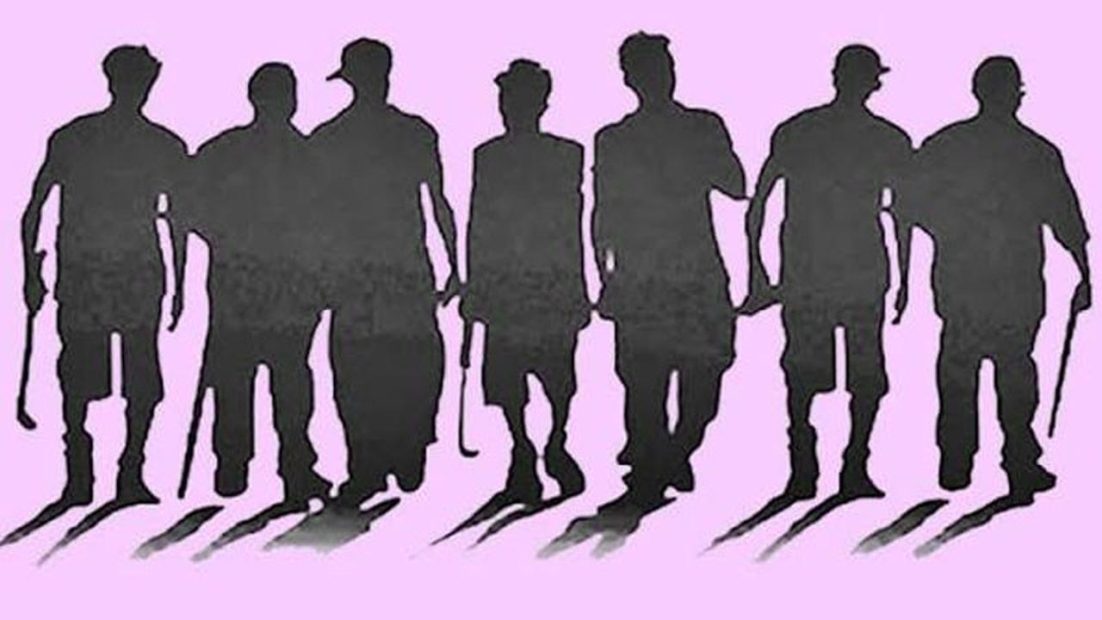
Residents of Khulna are increasingly concerned over the activities of juvenile gangs. Crime in the region is rising, with teenagers becoming involved in violent clashes over local dominance, senior junior disputes and even trivial incidents. Influential individuals and known criminal groups are allegedly using these young people to carry out crimes for their own interests, creating fear among ordinary residents.
According to sources, juvenile crime and gang activities have increased alarmingly in Khulna city and district. Recent police reports and local information indicate that Khulna District Police have listed 250 juveniles allegedly involved in various crimes. More than nine active criminal groups and juvenile gangs have also been identified in the metropolitan area. At least nine to 10 groups are reportedly involved in establishing local dominance, extortion and drug dealing.
Many of the teenagers involved in crime are school and college students or have recently completed their education. Some are influenced by friends, while others are drawn to crime by the prospect of quick money or the desire for local influence.
Juvenile gangs are active in Khalishpur, Daulatpur, Boyra, Shibbari intersection, Sonadanga, Nirala, Rupsha and various other parts of the city. They maintain contact through social media groups and are involved in sexual harassment, extortion, snatching, drug dealing and drug consumption.
An investigation has found that some local influential individuals, known as ‘big brothers’, are allegedly behind these gangs. They reportedly lure teenagers into crime by offering drugs and weapons to maintain their political and social influence. Attracted by popularity, the desire to appear powerful and easy pocket money, these young people allegedly carry out crimes at their instructions. Some also display sharp knives, machetes, Chinese axes and locally made firearms.
Several Khulna residents told Inqilab that groups of teenagers and young men gather at different intersections after evening. Riding motorcycles noisily, making offensive remarks at pedestrians and intimidating ordinary people have become common practices. Many families are afraid to protest because of social embarrassment and the fear of retaliation.
They blamed inadequate parental supervision, lack of proper guidance, misuse of the internet, easy access to drugs and a culture of impunity for the growing problem. They also called on families and communities to work together to address it.
Professor Prakash Chandra Adhikari of the Department of Political Science at Government Sundarban College in Khulna told Inqilab that juvenile crime had several causes, including a lack of parental supervision and guidance, drug addiction, association with delinquent peers, unemployment, frustration and the desire to earn money quickly.
He also cited the glorification of criminal activities on social media, local power struggles and the influence of organised criminal groups. A lack of opportunities for sports, cultural activities and healthy recreation was another contributing factor.
He said adolescents often sought recognition and influence. Exposure to criminal groups could gradually draw them into crime. Therefore, arrest and punishment alone would not solve the problem. Prevention, correction and rehabilitation were also necessary.
Md Azgar Hossain, divisional secretary general of the Bangladesh Environment and Human Rights Implementation Society, told Inqilab that juvenile gang activities in Khulna were not merely a law and order issue but also a concern for public safety and the future generation.
He said identifying the criminal networks behind the alleged use of teenagers in criminal activities would be a major challenge. Without timely action, the trend could develop into a wider social and security crisis.
Khulna Metropolitan Police Commissioner Md Sazzadur Rahman said an initial investigation by Khulna District Police had identified around 250 juveniles directly or indirectly involved in gang activities. They were attempting to establish their dominance in the city and at the police station level.
He named several active groups, including Tipsy, Danger, Golden Boys and RJ Rafi, operating in Sonadanga, Khalishpur, Daulatpur and Rupsha. Clashes over trivial matters and senior junior disputes, including attacks with sharp weapons in broad daylight, had become frequent, he said. Drug consumption, snatching and extortion were also among the crimes involving these groups.
He added that a zero tolerance policy had been adopted to curb juvenile gangs and social crimes. No one involved would be spared, regardless of their identity. Police patrols had been strengthened across the city, and CCTV surveillance had been increased.
Residents of Khulna demanded that those behind the gang activities be brought to justice quickly and given exemplary punishment to maintain public order and protect the younger generation.