Bangladesh Bank Launches Tk 15 Billion Fund to Expand Financial Inclusion for Marginal Farmers, Small Entrepreneurs and Underserved Groups
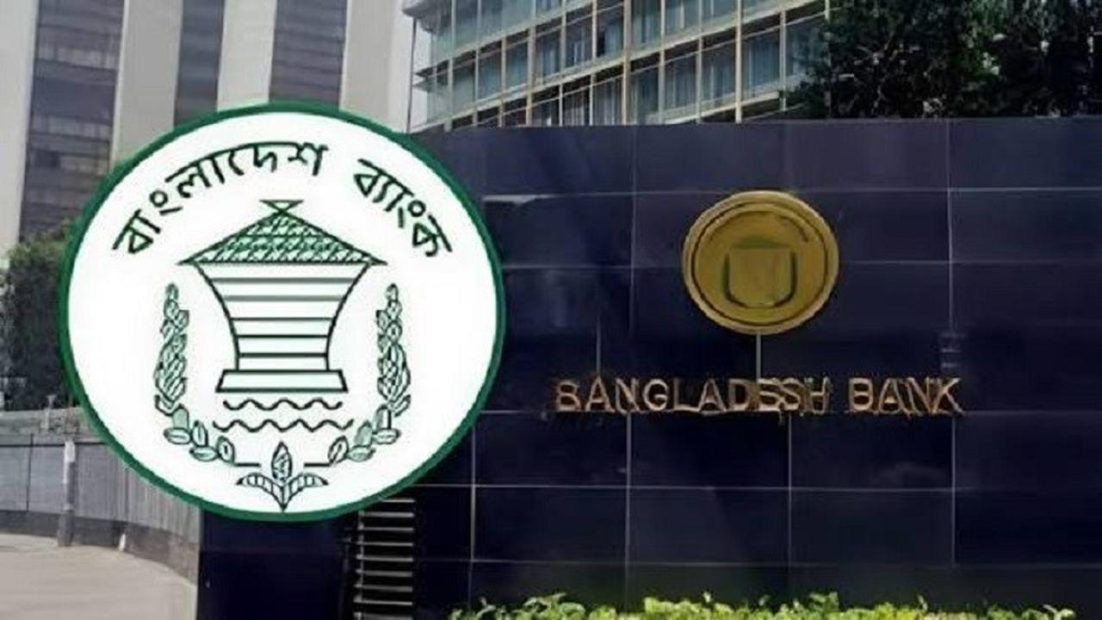
Bangladesh Bank has set up a Tk 1,500 crore refinancing fund to bring marginal and landless farmers, low-income workers, small business owners, students and members of families that receive remittances into the formal banking system.
An entrepreneur can take a loan of up to Tk 10 lakh from this fund. The interest or profit rate for borrowers will be no more than 7 percent. No property or security will be needed for loans of up to Tk 5 lakh.
On Thursday (November 12), Bangladesh Bank’s Financial Inclusion Department issued a circular on the matter. It sent the circular to the managing directors and chief executive officers of all scheduled banks in the country.
Under the new policy, banks will get funds from Bangladesh Bank at an annual interest or profit rate of 1 percent. Banks can charge borrowers a maximum of 7 percent. The loan period will be up to five years, or 60 months. Borrowers can get a break of up to six months before they start repaying the loan.
The Tk 1,500 crore fund has been set up with money from Bangladesh Bank. The money will be used again as loans are repaid. The scheme will remain in effect for five years from the date of the circular.
Who Can Get Loans?
The new policy has expanded the list of people who can get loans. They include marginal and landless farmers, people affected by disasters, low-income workers, small business owners and students who have bank accounts with Tk 10, Tk 50 or Tk 100.
Very small and small business owners in neighbourhoods and villages can also get loans. People involved in legal income-generating work are also eligible. They include fishers, goldsmiths, blacksmiths, potters, tailors, street vendors, door-to-door sellers, rickshaw and van drivers, electrical and electronic equipment repair workers, carpenters, masons, plumbers, weavers, veterinary workers and tea workers.
Grocery shop owners, mobile recharge and mobile financial service agents, internet service providers, food sellers, flower, fruit and vegetable sellers, poultry and livestock farmers, fish farmers, vegetable growers, nursery owners, small and cottage industry owners and freelancers can also get loans.
Special Benefits for Women Entrepreneurs
The scheme gives priority to marginal women and very small and small women entrepreneurs. Women can take loans for any type of income-generating work.
At least 25 percent of the total loans under this scheme must go to women borrowers and entrepreneurs.
Farmers will also get special priority. Marginal and landless farmers with Farmer Smart Cards will get priority if they open bank accounts with Tk 10. However, banks have been asked to make sure that farmers without Smart Cards are not left out.
Small business owners, low-income workers and people in coastal, river island and haor areas who have suffered from natural or man-made disasters will also get priority. Members of small ethnic groups and other disadvantaged communities will also receive priority.
People who receive money sent by workers living abroad, as well as workers who have returned from other countries and their family members, will also get priority for loans.
Loan Opportunities for Students
The scheme also offers loans to students with bank accounts. The aim is to bring students into the banking system, improve their skills and create jobs.
Under the policy, disadvantaged and financially struggling students up to 25 years old can take loans for vocational, technical, information technology and other training courses. Their parents or guardians must guarantee repayment of the loans. Students with bank accounts can take loans after turning 18 to start income-generating work, use skills gained from training or run a business.
They can also get loans to pay for higher education in subjects such as medicine (MBBS), dental surgery (BDS) and engineering. Loans can also be used to buy necessary study materials.
Individual Loans Up to Tk 10 Lakh, Group Loans Up to Tk 40 Lakh
Under Bangladesh Bank’s rules, an individual borrower or a very small or small entrepreneur can get a loan of up to Tk 10 lakh.
For group loans, a group of two to five members can be formed. Each member can get up to Tk 8 lakh. This means a group can take a total loan of up to Tk 40 lakh.
Each member of the group will be personally and jointly responsible to the bank for the group loan.
No Security Needed for Loans Up to Tk 5 Lakh
Special benefits have been added to make it easier for small entrepreneurs to get loans.
Banks cannot ask for security against loans of up to Tk 5 lakh. However, they can take personal guarantees from the borrower and up to one other person. For loans above Tk 5 lakh, banks can ask for reasonable security based on their relationship with the borrower.
Loan Defaulters Will Not Be Eligible
People who have failed to repay previous loans will not be eligible for this scheme. A borrower will also not qualify if they have an unsettled loan under any other refinancing scheme or interest subsidy scheme of the Bangladesh government or Bangladesh Bank. Before giving a loan, banks must collect a Credit Information Bureau (CIB) report to identify loan defaulters. However, banks cannot charge any fee for collecting a CIB report from borrowers for loans of up to Tk 3 lakh.
Loan Repayment Period Up to Five Years
Both banks and borrowers can get a break of up to six months before repayment starts. After this period, banks must repay the loan amount, interest or profit and service charges to Bangladesh Bank in quarterly instalments. Banks can collect loan payments from borrowers in monthly, quarterly, half-yearly or yearly instalments. Banks can provide loans through their branches, sub-branches, agent banking services, mobile financial services, online banking and internet banking.
However, banks cannot charge borrowers any extra processing fee or charge beyond the approved service charges.
Shariah-based banks can also provide loans under this scheme by following their approved investment methods. However, the annual profit rate charged to borrowers cannot be more than 7 percent.
Banks must regularly monitor loan distribution, repayment and the proper use of the money.
They must submit progress reports to Bangladesh Bank’s Financial Inclusion Department by the 15th day of the month after each quarter.
Bangladesh Bank’s circular also says that banks must sign participation agreements with the Financial Inclusion Department to provide loans under this scheme. Banks must also provide separate promissory notes to ensure repayment of the loan amount and interest or profit.
The new policy will create opportunities for marginal people, small entrepreneurs, women, students and members of families that receive remittances to enter the formal banking system and take part in income-generating activities.