Maulana Bhashani’s fight against Hegemony still guides Bangladesh
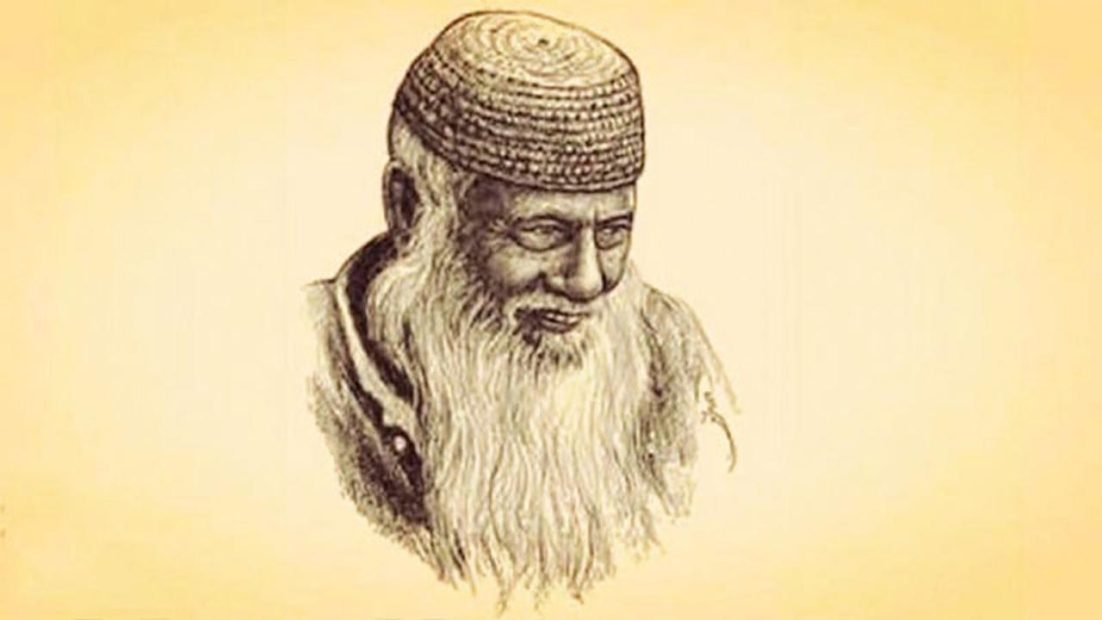
Maulana Abdul Hamid Khan Bhashani was not only a politician in Bangladesh’s history. He was a strong voice against exploitation, imperialism, colonialism and hegemony. Throughout his life, he stood for the rights of ordinary people, national dignity and independence.
A major feature of his politics was his refusal to accept domination in the name of friendship. He believed that Bangladesh should maintain friendly relations with other countries but should never compromise its national interests.
Today, many issues raised by Mr. Bhashani remain important. These include Bangladesh’s relations with India, water sharing from common rivers, border killings, trade imbalance and foreign influence in domestic politics.
The question remains: why does Bangladesh still have to struggle for its water rights, border security and national dignity decades after independence? To understand this, Mr. Bhashani’s political ideas and the history of the Farakka Long March are still highly relevant.
Bhashani’s stand against hegemony
Mr. Bhashani consistently opposed injustice, regardless of who was responsible for it. He fought British colonial rule and later protested against the political, economic and cultural discrimination faced by people in East Bengal under Pakistan.
He understood that changing the name or flag of a country alone could not bring real freedom. True independence also required economic freedom and the right to make national decisions independently.
During the Liberation War in 1971, Mr. Bhashani strongly supported Bangladesh’s independence and helped build international opinion against the genocide carried out by the Pakistani forces.
After independence, he also warned against allowing any new power to dominate Bangladesh. Mr. Bhashani was not against friendship with India. He wanted friendly and cooperative relations between the people of the two countries. But he believed such relations must be based on equality and mutual respect.
India’s support during the Liberation War, in his view, did not give India any special right over Bangladesh.
Farakka Long March
The historic Farakka Long March of 1976 was one of the most important chapters in Bhashani’s political life. The construction of the Farakka Barrage in India changed the flow of the Ganges and raised serious concerns in Bangladesh. Bhashani understood that the issue was not simply about a river or a barrage. It was connected with agriculture, fisheries, navigation, the environment and the lives of millions of people.
On May 16, 1976, he called for the Farakka Long March. Thousands of people joined the march from Rajshahi towards Kansat.
The movement raised a major question: can an upstream country control the flow of a common river without considering the rights and interests of the downstream country?
Mr. Bhashani saw water rights as a matter of national survival. When a river loses its flow, the impact goes beyond water. Agriculture, the economy, nature and the lives of local people are also affected. Nearly five decades later, the importance of the Farakka Long March remains strong because Bangladesh continues to face water-sharing problems involving the Ganges, Teesta and other common rivers.
Friendship with India, but no compromise on rights
India remains one of Bangladesh’s most important neighbours. The two countries share historical, cultural, economic and people-to-people ties. India also supported Bangladesh during the Liberation War. However, friendship does not mean ignoring unresolved problems.
Bangladesh and India share 54 rivers, but there is a water-sharing agreement only for the Ganges. The Teesta water-sharing agreement has remained unresolved for years.
The 1996 Ganges Water Sharing Treaty is scheduled to expire on December 12, 2026. Therefore, securing a fair and sustainable water-sharing arrangement is an important diplomatic priority for Bangladesh. The new agreement should ensure a minimum flow during the dry season, a fair share of water and proper consideration of damage caused by excess water during the rainy season.
The Teesta remains another major concern. During the dry season, the river often suffers from low water levels, causing problems for farmers, fisheries and biodiversity. During the rainy season, excess water can cause floods and river erosion.
Border killings are also a serious concern. Unarmed people should not lose their lives along the border between two independent countries. Allegations of smuggling or illegal crossing cannot justify unnecessary use of deadly force. Every such death should be properly investigated and those responsible should be held accountable.
Trade is another area where Bangladesh needs a fairer position. Although trade between the two countries is large, the balance remains unfavourable to Bangladesh. Better market access for Bangladeshi products and the removal of tariff and non-tariff barriers are necessary.
Bangladesh-India relations after the political change
After the political change in 2024, Bangladesh-India relations entered a new phase. Political trust between the two countries has faced challenges. The presence of former Prime Minister Sheikh Hasina in India and the issue of her extradition, border tensions, trade restrictions and diplomatic statements have added new dimensions to the relationship.
Bangladesh should manage its relationship with India based on national interests, international law and mutual respect. The country should protest against unfair policies while keeping the door open for dialogue.
One major weakness of Bangladesh has been the lack of a clear and consistent national foreign policy. Relations with neighbouring countries should not change sharply with every change of government. Bangladesh needs a long-term national policy towards India based on state interests rather than party positions.
What Bangladesh should do
Mr. Bhashani’s politics offer several lessons for present-day Bangladesh.
First, Bangladesh needs an independent and balanced foreign policy. Relations with India and all other countries should be based on mutual interest and respect.
Second, securing fair water shares from common rivers must receive the highest priority. The government should work for a long-term solution to the Ganges and Teesta issues instead of relying only on promises.
Third, diplomatic efforts to stop border killings must continue. Border management should follow humanitarian principles and international law.
Fourth, agreements involving national interests should be transparent. The benefits and costs of cooperation in areas such as transit, ports, electricity, energy, defence and trade should be properly assessed.
Fifth, political parties should build national consensus on issues of national interest. Farmers, workers, students, teachers, professionals and civil society should also have a role.
Sixth, Bangladesh must become more economically self-reliant. Stronger agriculture, industry, energy, technology and food production will improve the country’s ability to protect its interests internationally.
Seventh, Bangladesh should raise its legitimate demands more strongly at the United Nations and other international forums. At the same time, it should expand cooperation with Nepal, Bhutan, China and Southeast Asian countries to increase its diplomatic and economic options.
The real meaning of Bhashani’s struggle
Opposing unfair Indian policies does not mean opposing the Indian people. The people of Bangladesh and India share long-standing friendship, family ties and cultural relations. The target should be unfair policies, unequal agreements, border killings and actions that harm Bangladesh’s interests not the people, religion or ethnic groups of another country.
Mr. Bhashani’s protests were based on moral strength and public participation. His approach remains relevant today. The best way to honour Bhashani is not simply through ceremonies on his birth or death anniversaries. His ideals must be reflected in national policy. He taught Bangladesh that national dignity cannot depend on the mercy of a powerful country.
Bangladesh needs friendly relations with its neighbours, but those relations must be based on equality.
We want cooperation, not domination. We want friendship, not subordination.
The 1976 Farakka Long March showed Bhashani’s deep understanding of Bangladesh’s struggle for water rights and sovereignty. Nearly 50 years later, his message remains relevant.
Bangladesh now needs to rise above narrow political interests and unite around national interests. Its foreign policy should put the interests of its people first.
Protecting the country’s land, water, resources, borders and sovereignty requires courage, unity and foresight.
The life of Maulana Abdul Hamid Khan Bhashani reminds us that national dignity is not achieved through another country’s mercy. It is built through courage, unity, wisdom and the collective strength of the people.
The writer: Chairman, Bangladesh Labour Party