Bangladesh Enters Nuclear Age as Rooppur Plant Begins to Supply 350MW to the National Grid
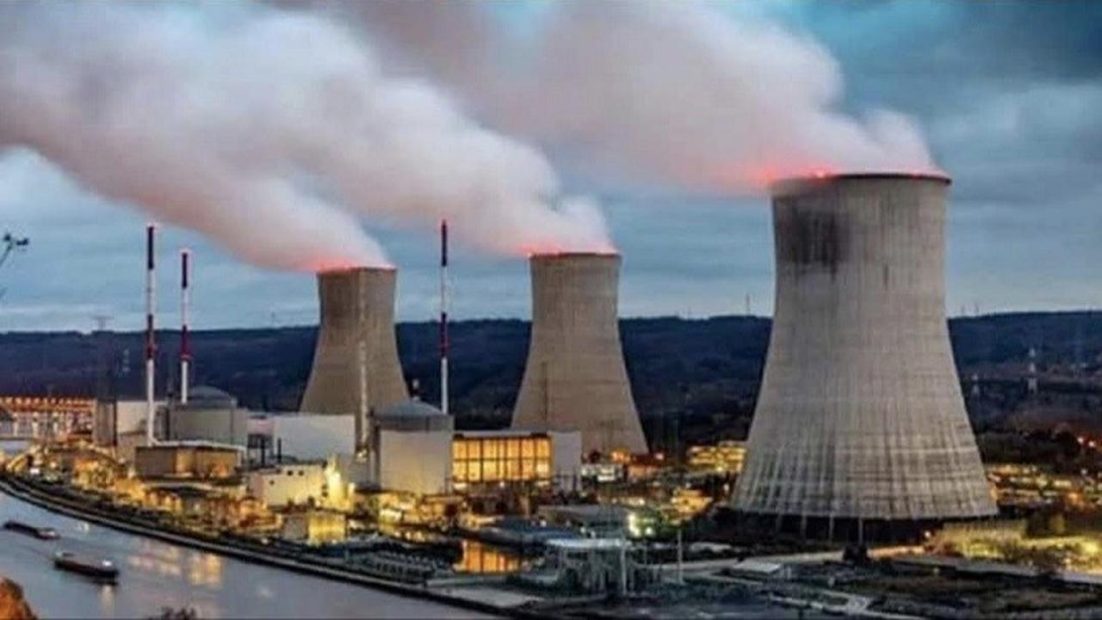
After years of waiting, challenges, tests and technical preparations, Bangladesh’s dream of producing nuclear power has started to become a reality.
Electricity from the country’s first nuclear power plant in Rooppur, Ishwardi of Pabna, was supplied to the national grid on a trial basis for the first time at 3:16 pm on Tuesday (November 17).
At the initial stage, 350 megawatts of electricity from the plant’s first unit was connected to the national grid. This has opened a new chapter in the history of electricity generation in Bangladesh.
The historic grid connection started in the presence of Science and Technology Minister Fakir Mahbub Anam, MP.
Science and Technology Ministry Secretary Md Anwar Hossain, Bangladesh Atomic Energy Commission Chairman (acting) Dr M Moinul Islam, Bangladesh Atomic Energy Regulatory Authority (BAERA) Chairman Mahmudul Hasan, Nuclear Power Plant Company Bangladesh Limited (NPCBL) Managing Director Dr Zahedul Hasan, Project Director Dr Md Kabir Hossain, and related engineers, scientists and officials were also present.
Bangladesh Atomic Energy Commission Senior Information Officer Saikat Ahmed confirmed that nuclear power had been connected to the national grid on a trial basis for the first time in the country.
Project sources said that under the First Grid Connection (FGC), the electricity produced at the initial stage is planned to be supplied to the national grid for about 8 to 10 hours.
During this time, the performance and stability of the plant’s turbine, generator and systems linked to the national grid will be closely monitored.
After that, the plant will be disconnected from the grid for further technical tests. After about 28 hours, it is planned to reconnect the plant to the grid for another 4 to 6 hours for the next phase of testing.
At each stage, the performance of different systems of the plant, the turbine and generator, and the connection between the plant and the national grid will be checked.
If the results are satisfactory, approval from the Bangladesh Atomic Energy Regulatory Authority will be needed for the next trial operation. With the approval of the regulator, the trial power supply will move to the next stage.
Project officials said the first unit will start permanent commercial power supply at full capacity after completing a 10-month trial operation under the agreement with the Russian contractor.
However, it may take several more months for the unit to reach its full production capacity.
BAERA Chairman Mahmudul Hasan said nuclear fission started in the reactor last October and was successfully operated. After a series of tests, the first unit of the Rooppur plant received final approval for Stage-C operations.
At this stage, the heat produced from nuclear fuel was gradually increased. The performance of different parts of the power generation system was then tested. He said that after reaching the required level of heat, high-pressure steam produced in the steam generator was sent to the turbine through pipelines.
The power of the steam turns the turbine, which is connected to a generator. The generator then produces electricity.
The grid connection is now being used to check whether the electricity produced by the plant can be supplied properly to the national transmission system.
NPCBL Managing Director Dr Zahedul Hasan said the grid synchronisation test started on Tuesday afternoon. As part of the test, electricity was supplied to the national grid. He said connecting the plant to the national transmission line does not mean that commercial power supply has started permanently.
Rather, it is an important technical test to check how well the electricity produced by the plant matches the national grid and how well the grid can receive the power.
After the first supply, the plant will be monitored for several hours to check its performance and stability. If the results are satisfactory, the next steps will be taken.
Project officials also said the First Grid Connection is an important step in linking the plant’s power generation system with the national transmission system.
However, the connection does not mean that the plant has started full commercial production. Following the guidelines of the International Atomic Energy Agency (IAEA) and international safety standards, the plant’s production capacity will be increased step by step.
After further tests, licences and approval from the regulatory authority, the first unit is planned to gradually reach 100 percent of its production capacity. The Rooppur Nuclear Power Plant is being built with two units, each having a capacity of 1,200 megawatts.
Once both units are operational, the plant will have a total generation capacity of 2,400 megawatts.
The trial connection of electricity from the first unit to the national grid marks another important step for Bangladesh toward using nuclear energy in its power sector.