Cybersecurity Concerns Grow in Tech Sector After Huang’s Resignation
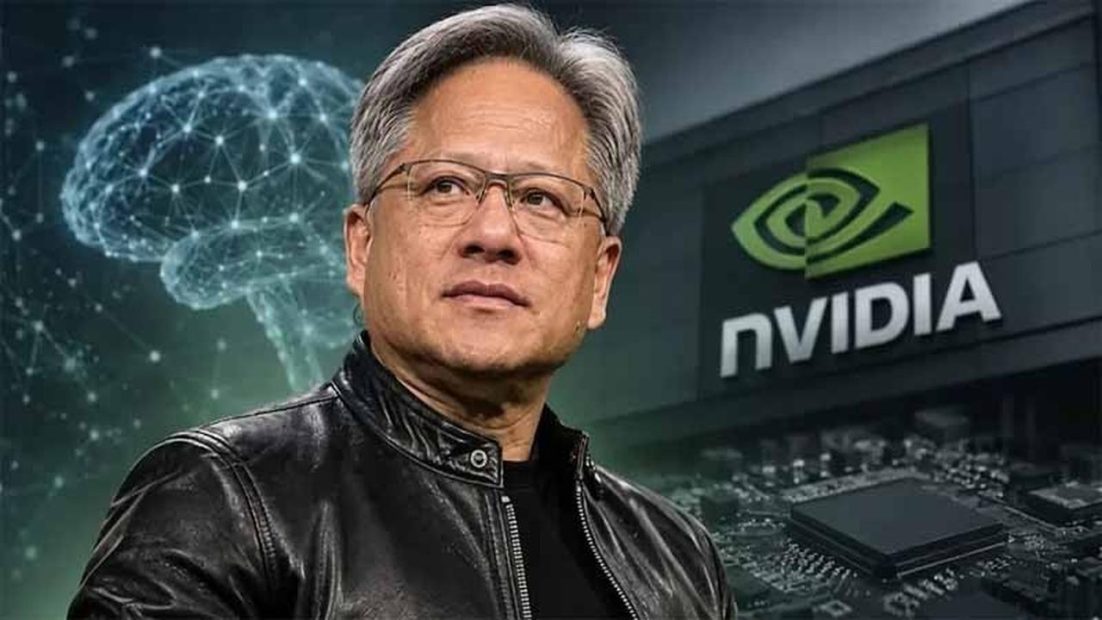
The resignation of Nvidia co-founder and former CEO Jensen Huang has brought new attention to cybersecurity, spying and the protection of business secrets in the artificial intelligence (AI) and technology sectors. Amid these concerns, technology companies are hiring former intelligence officers and counterintelligence experts to strengthen security.
Huang stepped down as Nvidia’s CEO on November 12. Reports about his personal relationship brought attention to his relationship with a woman suspected of being a Chinese spy. However, there is no proof that the woman was involved in spying. Nvidia said it believes the incident did not harm the company’s secret information or US national security. China has also rejected the spying allegations.
According to a Reuters report, companies in the AI, chip and technology sectors have increased spending on security in recent years. Companies such as OpenAI, Anthropic and Nvidia are hiring people for counterintelligence-related positions. Their work includes detecting attempts to steal business secrets, leak information through employees, use blackmail and influence executives to obtain sensitive information.
According to the report, many people hired for these positions receive annual salaries of between $200,000 and $500,000. As competition and geopolitical tensions grow in the technology sector, protecting secret information and dealing with foreign intelligence activities have become more important for companies. Chipmaker ASML is also increasing its intelligence and security capabilities.
Meanwhile, important technology systems in the United States and other countries have faced several disruptions in recent days. Microsoft’s Outlook and Teams services, the communication system of the US Federal Aviation Administration (FAA), and the operations of several banks and airlines faced problems. On November 17, the network of the US National Security Agency (NSA) also faced a temporary disruption during routine maintenance.
These incidents have raised concerns about cyberattacks. However, there is still no evidence of any connection between the incidents or involvement by a foreign party. Microsoft said its service disruption was caused by server and software problems and that there was no evidence of harmful activity. A technical problem during the replacement of old copper wire connections was also reported as the cause of the FAA communication problem.
US Homeland Security Secretary Markwayne Mullin also does not believe the recent technical problems are linked to cyberattacks. He said that adding new technology to old computer systems is putting pressure on the systems of different organisations.
However, cybersecurity experts say that although none of these disruptions may have been caused by cyberattacks, they have highlighted the major risks created by the growing dependence between modern technology systems. A problem in one important service can quickly affect other companies and services. At the same time, harmful actors could take advantage of such situations to exploit weaknesses.
The controversy surrounding Huang’s resignation and the recent problems in technology infrastructure have both highlighted the importance of security in the technology sector. The need for companies to improve their preparations to protect information, strengthen internal security and deal with possible spying has become clearer, especially as competition grows over strategic technologies such as AI and advanced chips.
Sources: Reuters, The Guardian