Thousands of Rohingya gather in camps to hear long-awaited genocide verdict against Myanmar
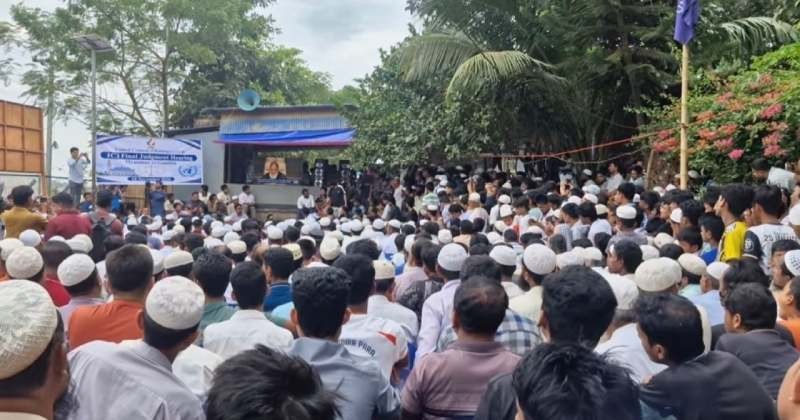
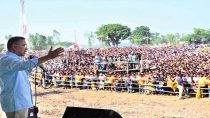
Great interest and hope have grown at the Kutupalong Rohingya camp in Ukhiya, Cox’s Bazar, as the world waits for the verdict in the genocide case. The International Court of Justice (ICJ) in The Hague is hearing the case over genocide and crimes against humanity committed against the Rohingya in Myanmar. Thousands of Rohingya have gathered in the camp to listen to the court’s verdict.
During the trial, important evidence emerged to support the charges against the Myanmar military. The charges include mass killings of Rohingya, violence against women and children, and torture. Reports say the evidence shows violence of many kinds, including the killing of about 10,000 Rohingya. The trial also brought out the role of the Myanmar military in these incidents.
The court treated two reports on the torture and abuse of the Rohingya as reliable. It also made important remarks on how it judges evidence, including its credibility, its acceptability and the standards used to weigh it. The court said it gives more weight to evidence when other evidence supports it. It added that evidence can also earn trust on its own, and that such evidence can help prove the truth of other evidence. This matters even more when the other evidence comes from a stronger or more reliable source.
The court made it clear that evidence does not lose its value only because no other evidence supports it. It said it will follow the standard and accepted rules of judgment when it checks each fact and event. The court also said it used a minimum standard to weigh evidence, in line with the usual methods of United Nations investigative bodies.
The Rohingya fled their homeland long ago and took shelter in Bangladesh. For them, this trial is closely tied to justice, accountability for those responsible, and the hope of a safe and dignified return home. Rohingya living in Kutupalong and other camps in Ukhiya and Teknaf have waited a long time for this verdict. They hope the international court will hold the people behind the genocide to account, and that this will open the way for them to return home safely.
When the court announced the verdict, thousands of Rohingya were seen listening to it on a big screen with loudspeakers set up in the field of the Kutupalong Rohingya camp.