Foreign Aid Cuts
British-Sudanese Billionaire Urges African Nations to Turn Declining Foreign Aid into an Opportunity to Take Charge of Their Own Fate
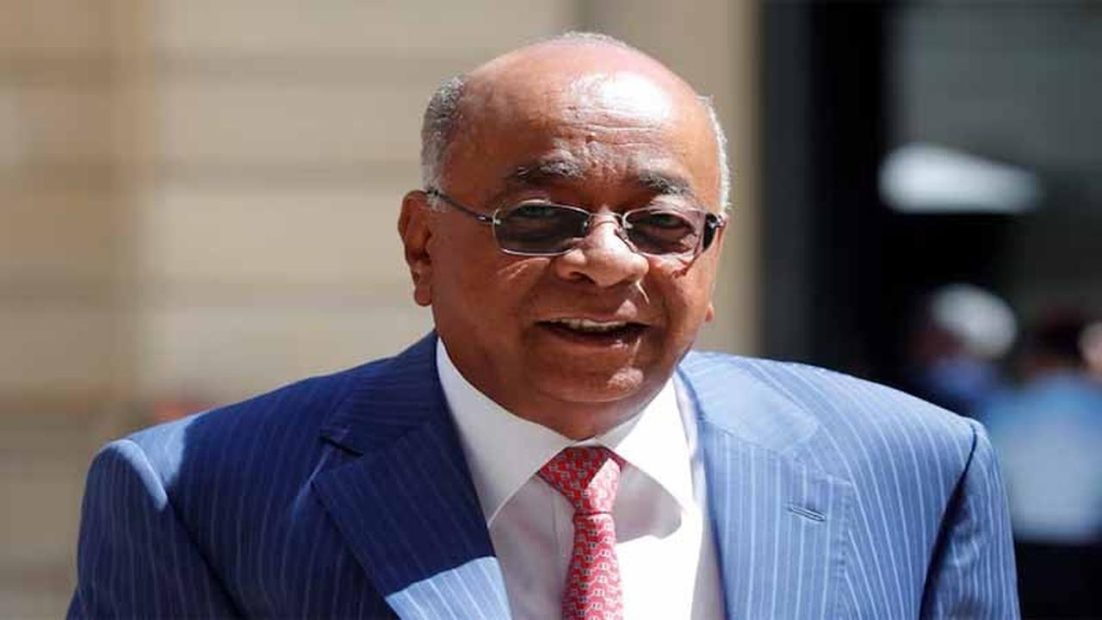
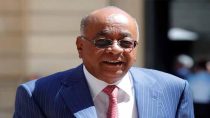
British-Sudanese billionaire Md Ibrahim has urged African countries to use declining foreign aid as an opportunity to take greater responsibility for their own development. He stressed the need to stop tax evasion and capital flight, mobilise domestic resources and increase investment.
In an interview with Reuters on Wednesday (November 18), Mr. Ibrahim said African countries must take control of their economies and futures. He said governments also bear the primary responsibility for ensuring basic services such as healthcare and education.
Md Ibrahim amassed considerable wealth through his telecommunications business before becoming involved in philanthropic activities. His foundation publishes an index assessing governance across Africa, covering various areas, including human rights, security, the rule of law and armed conflict.
The foundation’s 2026 index showed that overall governance in Africa had improved slightly over the past decade. However, security, the rule of law and the protection of civil rights had deteriorated.
Mr. Ibrahim said countries in the conflict-prone belt stretching from the Atlantic Ocean through the Sahel to the Horn of Africa were increasingly becoming “ungovernable”. However, he said Africa had sufficient resources to address the situation.
“Africa must take control of its own future and its own economy,” he said. In his words, “We need to stop relying on the kindness of strangers.”
The index also showed alarming deterioration across all four major governance areas in Nigeria, Africa’s most populous country. South Africa’s governance situation has also been steadily declining.
However, progress in economic opportunities and human development has partly offset the impact of worsening security conditions overall. Improvements have also been made in infrastructure, health and education. Mr. Ibrahim believes these gains can be sustained despite significant cuts in foreign aid.
Foreign aid from wealthy countries declined by 23.1 per cent in 2025, marking the largest annual drop on record. The decline followed the Trump administration’s dismantling of USAID as a government agency.
Mr. Ibrahim said such drastic cuts in aid were putting people’s lives at risk. He compared abruptly withdrawing support from patients undergoing treatment to removing an oxygen mask.
In his view, Africa could offset the losses caused by declining foreign aid if it could stop capital flight, illicit financial flows and tax avoidance strategies used by multinational companies. These companies often avoid taxes by shifting profits to countries with lower tax rates.
A 2025 report by the Ibrahim Foundation cited figures from a 2020 report by the United Nations Conference on Trade and Development (UNCTAD), estimating that around $90 billion leaves Africa every year through capital flight. This amount exceeds the development assistance the continent receives annually. Nearly half of the outflow is linked to the extraction of mineral resources such as gold.
Mr. Ibrahim said development financing could be increased by strengthening tax collection systems, ending incentives such as tax holidays and investing funds from African pension schemes and sovereign wealth funds within the continent.
“If I don’t have confidence in my own economy, how can I expect others to come and invest here?” he said.
Source: Reuters