Away from the Quran, a Silent Jahiliyyah Behind the Veil of Modernity
A growing social debate highlights a stark contradiction in modern parenting and education, where families invest heavily in foreign languages and career skills while sidelining foundational religious learning. Observers note that while fluency in English or other global languages serves as a practical tool for international communication and professional advancement, treating language proficiency as a badge of superiority creates an imbalance in personal development. Modern schooling equips individuals with technical expertise and material opportunities, yet true education also shapes moral discernment, civic duty, and cultural grounding. When worldly achievements eclipse basic religious literacy, such as accurate Quranic recitation and essential acts of worship, a vital dimension of holistic growth remains unfulfilled.
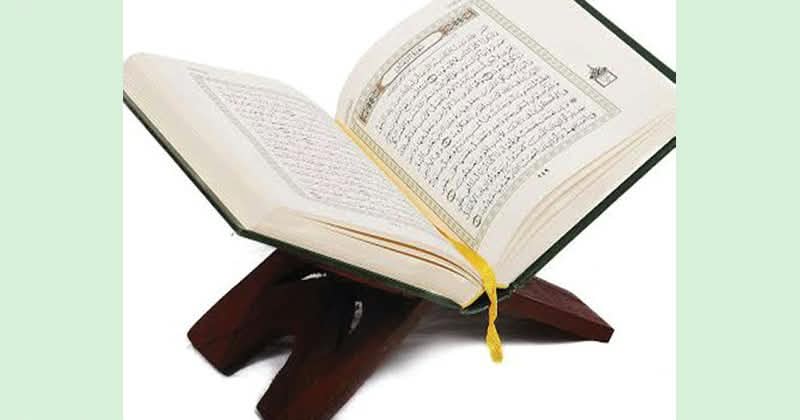
Many households readily allocate substantial funds and daily hours to quality schools, coaching centers, digital skills, and language training, viewing these investments as essential for a child’s future. By contrast, hiring a Qari, Hafiz, or qualified instructor to teach the Quran and Tajweed is frequently treated as a secondary or unnecessary expense. Critics of this trend point out that a meaningful connection with scripture goes far beyond seasonal recitations during Ramadan, ceremonial listening at gatherings, or preserving books in decorative covers. Genuine engagement requires reading with comprehension and translating ethical and humane principles into everyday conduct.
Daily habits reveal how priorities are quietly set across generations, as individuals routinely spend hours on social media, entertainment, and language drills while claiming they lack time for spiritual study. Childhood habits and early moral instruction deeply shape adult character, making it crucial for parents to pair academic ambitions with ethical upbringing. Modern disciplines, including science, technology, and foreign languages, do not conflict with Quranic learning, nor do they compete for validity. Instead, both represent complementary pathways that enrich human life when pursued with humility rather than pride.
Problems emerge when academic degrees and global fluency become symbols of social prestige rather than instruments of service and self-awareness. Being modern does not require severing ties with one’s heritage, nor does scientific inquiry demand distance from spiritual values. Thoughtful reflection calls for examining whether scripture lives within daily decisions or serves merely as an outward marker of identity. Raising capable young people involves preparing them for livelihoods while nurturing integrity, compassion, and a clear sense of accountability toward others.
Restoring a steady connection with the Quran does not demand elaborate arrangements; it starts with modest daily effort, proper guidance from a qualified teacher, and sincere attention to meaning and practice. Friction arises not from modernity itself, but from allowing knowledge to breed arrogance and letting core values fade quietly into the background. Addressing this quiet drift begins with honest self-examination at home, not judgment of broader societal trends.
As discussions around holistic education continue, educators and commentators emphasize balancing global readiness with enduring moral foundations so younger generations grow up both capable and grounded. Combining practical competence with ethical discipline helps prevent narrow materialism while keeping cultural and spiritual identity alive in fast-changing times. Ultimately, aligning daily priorities with stated values offers a practical way forward for families seeking both worldly success and inner balance without turning education into a source of division or pride.