Garment sector loses 428 million dollars in 18 days
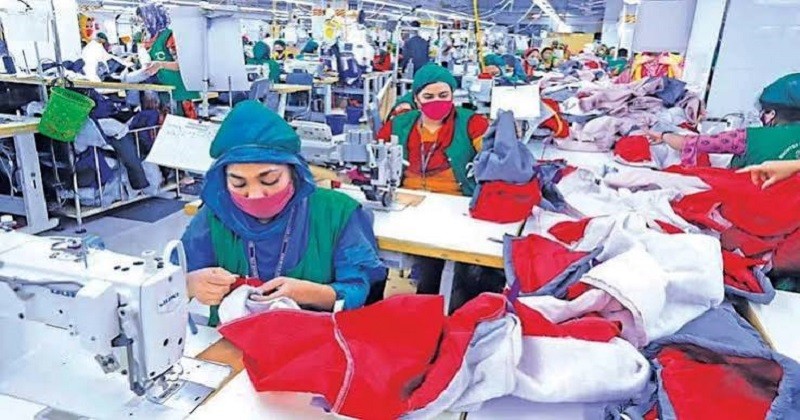
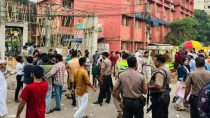
The ongoing unrest has hit the country’s garment industry hard. In just 18 days, 317 garment factories lost production worth 428 million US dollars. In the same period, foreign buyers moved confirmed export orders worth 254 million dollars to other countries. Owners face huge financial losses, and new worries have grown about the competitiveness of Bangladesh’s garment industry and the trust of buyers. These facts came from an urgent survey by the Bangladesh Garment Manufacturers and Exporters Association (BGMEA), the owners’ body.
The BGMEA released the first results of the survey in a press release on Sunday (22 November). According to the BGMEA, unrest and other obstacles disrupted production at 317 garment factories from 1 to 18 November. The production loss of these factories stands at 428 million US dollars. The BGMEA counted the loss by the FOB (Free on Board) value of exports.
The factories in the survey said they had to halt production for a minimum of one day and a maximum of 16 days. This blocked them from making and shipping goods on time. Because they could not deliver on time, most export orders now face risk.
Orders worth 254 million dollars moved to other countries
The most worrying issue for the industry is that foreign buyers are moving export orders to other countries. Factories in the BGMEA survey said buyers have already moved 59 million pieces of garments from confirmed orders to other countries. The market value of these orders is 254 million US dollars.
Industry insiders say the risk of losing buyer trust in the long run is greater than the immediate loss from disrupted production. If a supplier cannot deliver on time in the international market, buyers may turn to other producing countries. The shift of confirmed orders to other countries is already a strong warning for the garment industry of Bangladesh.
Owners face pressure from extra costs
Besides the production loss, garment exporters now bear extra costs to deliver goods on time. To keep their orders, many factories must send goods by air. This raises transport costs several times over. Exporters also give large price discounts to keep buyers happy. In some cases, there is a fear that buyers may cancel orders.
So owners face added financial pressure from transport, discounts and other running costs, on top of the loss from halted production.
Real loss may be higher
The BGMEA believes the loss in the survey does not show the full picture of the real damage. By its count, more than 600 factories suffered from the unrest. Yet only 317 factories took part in the urgent survey and gave their data. As a result, the production and business losses of the other factories are not in the count. The real loss may be even higher.
The survey figures also stop at 18 November. Unrest in the industrial areas has continued since then, so the loss may grow further.
Concern over long term image
The BGMEA says the effect of the current situation is not limited to the immediate financial loss. The long standing image of the garment industry of Bangladesh in the international market is at risk. So are its reliability and its future business prospects.
In the global garment export market, Bangladesh competes with Vietnam, India, China and other countries. If long lasting disruption hits production and supply, buyers may look for other sources. This may also hurt Bangladesh’s chances of winning new orders in future.
The BGMEA said the country must overcome this crisis quickly for the sake of the economy and the livelihoods of millions of garment workers. It expects all parties involved to act with responsibility and take effective steps. These steps should keep production running, return export supply to normal and help the industry recover from the damage.