Food production must take precedence over tobacco cultivation
Tobacco is a long term risk to public health, agriculture, the environment, families and the national economy. Smoking, jarda, gul, sada pata, bidi, cigarettes and other tobacco products cause non communicable diseases and early death. They also raise family costs and reduce working ability. Passive smoking puts women, children and non smokers at risk too.
The World Health Organization’s 2017 global adult tobacco survey found that 35.3% of adults in Bangladesh used tobacco. WHO data published in 2026 says about 130,000 people died in Bangladesh in 2021 because of tobacco use. So tobacco control is not only a matter for the Health Ministry. It is a question of human resources, the economy, social justice and sustainable development.
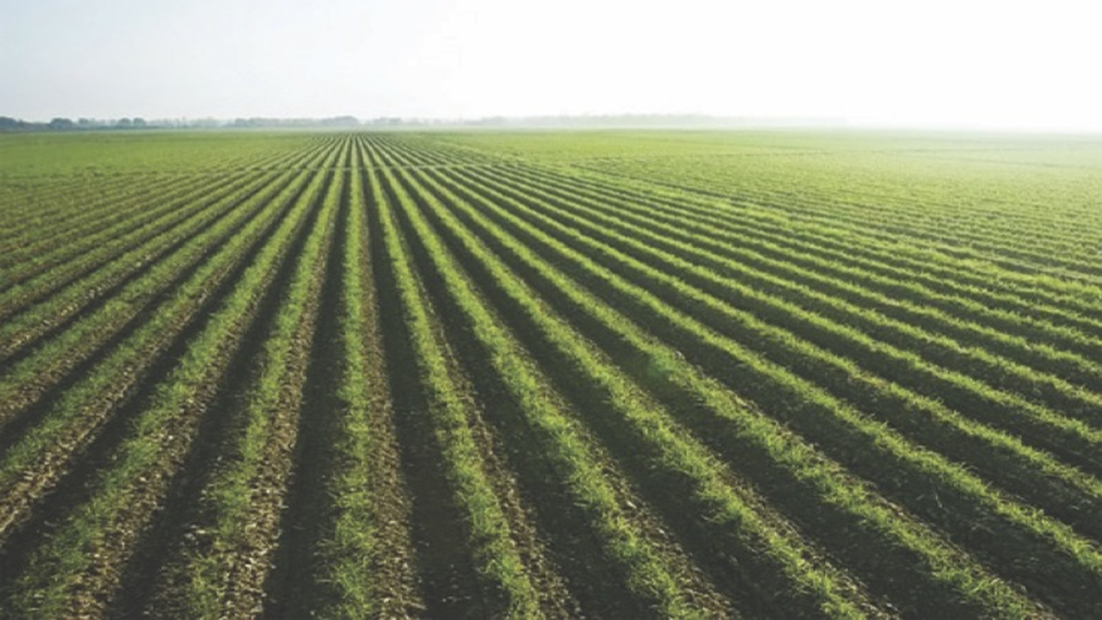
The aim of stopping tobacco farming is not to hurt farmers. It is to move them to safe, profitable and lasting other ways to earn a living. Tobacco raises the risk of lung cancer, mouth cancer, heart disease, stroke and long term breathing diseases. Land is limited, and tobacco farming in place of rice, wheat, pulses, vegetables, fruits and oilseeds can put pressure on food and nutrition security.
Tobacco farming uses fertiliser, pesticide, water and labour. Long term farming can put pressure on soil health and the environment. Drying and processing tobacco leaves needs fuel, which puts pressure on forest resources. Contact with tobacco leaves lets nicotine enter the body and can cause health risks such as green tobacco sickness.
The government earns duty and tax revenue from tobacco. But the state and society also bear the cost of treating tobacco related diseases, lost working ability, early deaths and family financial loss. So tobacco revenue should not be seen alone as profit. The total economic effect, including health and social costs, must be assessed.
Before stopping tobacco farming, farmers’ other ways of earning must be ensured. Planners must list the farmers and the land and study the soil, water, weather, production cost and market price of each region. Then they can make a plan for other crops. Maize, pulses, mustard, potato, vegetables, rice, wheat, fruits, spices, fish, poultry and cattle rearing can give other income depending on the region.
For the first three to five years, farmers need special support. This includes better seeds, technology, training, low interest farm loans, fair prices, storage, processing and market links. The loan and contract relationship between farmers and tobacco companies must also be settled fairly.
Stopping tobacco farming alone is not enough. The demand for tobacco products must also fall. Schools, hospitals, offices, public transport and crowded places must be made truly tobacco free. Awareness among children and teenagers must grow, and homes must be kept smoke free.
Bangladesh has laws and policies on tobacco control. The 2005 law, the 2013 amendment and later changes must be enforced well. Strict monitoring is needed against advertising, promotion, sponsorship, display at points of sale, sales to minors and tobacco use in public places.
Tobacco prices and taxes must be set so that tobacco products become harder to get, especially for young and low income people. A part of the revenue from tobacco can be used for public health, awareness, treatment and rehabilitation. Smoking is an addiction, so smokers must not be treated only as offenders. They need treatment and rehabilitation.
Government hospitals and medical colleges need tobacco addiction treatment and counselling centres. They also need doctors’ advice, evidence based treatment, phone and online support and special counselling for young people. Women and children face special risk from passive smoking. Tobacco smoke during pregnancy also harms mother and child.
Child labour in tobacco farming blocks children’s education and physical growth. So the health, education, nutrition and safety of women and children must be ensured. To build a tobacco free Bangladesh, the government must set goals, deadlines, budgets, shared duties and accountability. First, it should make a full list of tobacco farmers and land, stop incentives for spreading tobacco to new land and adopt a plan for other livelihoods.
In the next two to three years, it must move farmers to other crops and livelihoods and ensure loans, technology support and markets. In four to five years, it must cut tobacco farming region by region. In a long term plan of six to ten years, Bangladesh can move step by step toward stopping commercial tobacco farming. This is a proposed policy outline, not a schedule announced by the government. The main condition is to ensure farmers’ livelihoods, other markets and the ability to carry out the plan.
The Health Ministry can handle public health and treatment. The Agriculture Ministry can handle other crops and farmer rehabilitation. The Finance Ministry can handle tax policy and funding. The Environment Ministry can protect soil, water and forests. The Education Ministry can teach against tobacco, and the Local Government Division can ensure tobacco free places locally. The commerce, labour, information and broadcasting ministries and law enforcement bodies must also work together.
Articles 17 and 18 of the WHO Framework Convention on Tobacco Control stress other lasting livelihoods in place of tobacco farming. They also stress protecting the health of farmers and workers and the environment. In Kenya, about 1,500 farmers have started growing other crops, including high iron beans, in place of tobacco. Bangladesh can use international experience to expand other crops, technology, markets and funding.
These national commitments deserve consideration.
- Adopt a policy to stop commercial tobacco farming step by step within a set time.
- Stop spreading tobacco farming to new land and stop government incentives.
- Give tobacco farmers other seeds, technology, training and farm support.
- Give special support for three to five years to farmers who move to other farming.
- Ensure fair prices and markets for other crops.
- Enforce the laws that control tobacco production and marketing strictly.
- Make schools, hospitals, offices and public transport tobacco free.
- Take strict action to stop tobacco sales to children and teenagers.
- Stop tobacco advertising, promotion, sponsorship and indirect marketing.
- Adopt an effective tax policy and use part of the revenue for public health.
- Set up tobacco addiction treatment and quit smoking counselling centres in government hospitals.
- Ensure the health and social security of tobacco workers, women and children.
- Restore farmland and the environment damaged by tobacco farming.
- Involve political parties, religious institutions, schools, media and civil society.
- Build an effective system to monitor progress and ensure accountability in tobacco control.
- Tobacco farming must not be stopped suddenly without ensuring other income and markets. Fair settlement of farmers’ loans and contracts with tobacco companies is needed. So is prevention of illegal tobacco production and smuggling. In the name of tobacco control, small farmers and workers must not be punished. Instead, the structure of production and marketing must change.
At the same time, a clear line must be drawn between tobacco companies’ business interests and public health policy. A nation’s development is not limited to income, infrastructure, industry or growth figures. Citizens’ health, quality of life, the environment and the safety of future generations are also key measures of development. Growing food instead of tobacco, giving tobacco farmers other livelihoods, ending the social acceptance of smoking and keeping public health policy free from business influence are the demands of the time.
Author: Chairman, Department of Accounting and Information Systems, Islamic University, Kushtia.