Thousands Protest in Karachi Against Pakistan’s Army Chief
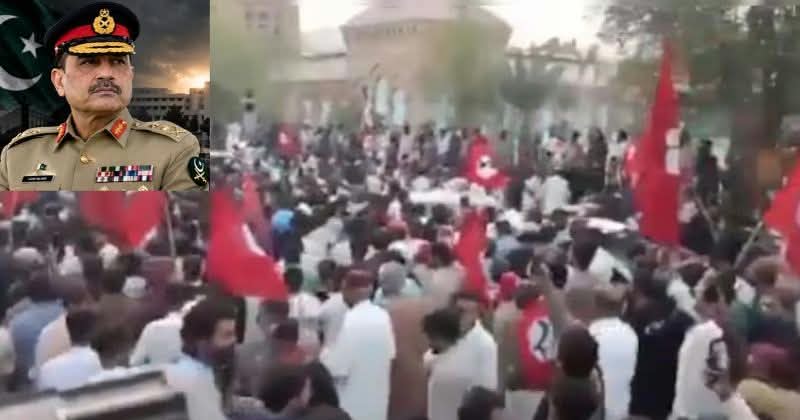
Thousands of Sindhi citizens wearing traditional Ajrak shawls and caps marched through Karachi to protest a reported proposal to divide Pakistan’s four existing provinces, Punjab, Sindh, Khyber Pakhtunkhwa, and Balochistan, into a dozen or more new administrative units. Organized by the Jeay Sindh Rahbar Committee, the demonstration drew nationalist leaders, political activists, lawyers, and civil society members amid surging political tensions across the region. Speakers declared that Sindh’s territorial integrity is non-negotiable and tied to its history and civilization rather than administrative convenience, warning that any restructuring without public consent would be met with widespread constitutional, legal, and democratic resistance.
Demonstrators also rejected proposals to hold a referendum on creating new administrative units and urged PM Shehbaz Sharif’s federal government and state institutions to refrain from actions that could deepen societal divisions. Although no official blueprint has been released, the plan, widely linked to Pakistan’s influential military chief, Field Marshal Asim Munir, has been framed by proponents as a way to decentralize governance and bring administration closer to citizens. However, political experts warn the restructuring could fundamentally alter Pakistan’s federal structure, while an editorial in The Economist described the initiative as a strategy to fragment the political opposition and consolidate military authority.
Earlier, Pakistan Peoples Party Chairman Bilawal Bhutto-Zardari issued a stark warning against any attempt to forcibly divide Sindh during an address at the Karachi Press Club. Stating that ordinary people would take up arms and bloodshed would follow if coercive measures were pursued, he cautioned that forced division would create deep societal rifts and widespread violence not limited to a single death. While noting his support for forming new provinces strictly within constitutional and legal frameworks based on the will of the people, Bhutto-Zardari firmly rejected imposing administrative changes through force.
The intensifying backlash highlights growing friction between regional stakeholders and central authorities over the future of Pakistan’s federalism and provincial autonomy. While federal advocates argue that smaller units could streamline public service delivery, opponents across Sindh view the reported initiative as an existential threat to their historical identity and political representation. As nationalist groups mobilize across the province and major political leaders echo warnings of severe civil unrest, pressure is mounting on Islamabad to clarify its stance and abandon any unilateral restructuring plans before the crisis escalates further.
Source: NDTV