Tk 17,000 New Minimum Wage Brings Relief to RMG Industry as Savar-Ashulia Workers Return to Work
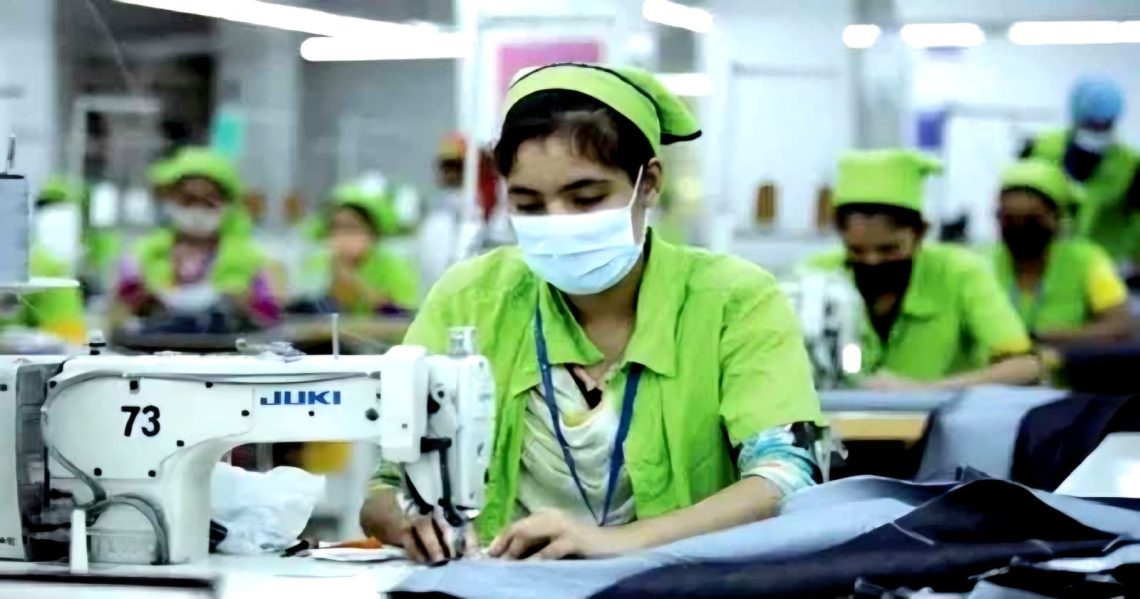
The Minimum Wage Board has finalized the new wage structure for ready-made garment (RMG) workers, setting the monthly minimum wage for the lowest grade at Tk 17,000. This marks an increase of Tk 4,500 from the existing Tk 12,500 in this grade. The decision was reached during a marathon 12-hour meeting held from 2:00 PM on Tuesday to 2:00 AM on Wednesday, presided over by Board Chairman Syed Azad Subhani. Following disagreements among members regarding the lowest tier, Grade-4, a secret ballot was conducted in accordance with the Bangladesh Labor Rules, 2015, where four members voted in favor of Tk 17,000, and two voted for Tk 18,000. Under the new structure, monthly wages for Grade-1, Grade-2, and Grade-3 were unanimously finalized at Tk 21,500, Tk 20,000, and Tk 19,200, respectively.
Protests demanding a Tk 30,000 minimum wage had been underway since the formation of the new wage board on November 1, leading to work stoppages at several factories across Savar and Gazipur amid labor unrest. During negotiations, while workers’ representatives proposed Tk 32,000, factory owners recommended Tk 15,700 at a meeting on November 23. Previously, under the wage structure enacted in December 2023, which expires this November, the minimum wage was raised from Tk 8,000 to Tk 12,500.
Following the announcement of the new wage structure, workers began returning to garment factories in Savar and Ashulia on Wednesday morning. Stakeholders noted that after prolonged demands and uncertainty, the working environment in the industrial belt is gradually returning to normal. While a section of the workforce expressed some relief over the decision, many had hoped for a higher raise given the soaring prices of essential commodities.
Garment worker Rubina Akter said that rising prices of rice, lentils, and cooking oil would still make it difficult to run a household on this wage, though they want to return to work for now. Md. Sohel expressed moderate satisfaction with the new pay scale, demanding timely monthly payment of wages and overtime alongside a healthy factory environment. Meanwhile, Sharmin Akter expressed hope that if the new wages are implemented properly in accordance with the rules, workers will find some relief after covering house rent and household expenses.
Overall, workers have demanded the proper implementation of the announced wage structure and an end to harassment regarding wages and allowances. Emphasis is being placed on coordination between factory owners and workers to keep production steady. Moving past the recent unrest, the garment sector in Savar and Ashulia now awaits a return to normalcy, with expectations for future wage reviews aligned with current market prices.