Over One-Third of Muslim Students Face Islamophobia at UK Universities
More than one-third of Muslim students studying at universities across the United Kingdom have faced Islamophobia, according to a recent survey. A report by the Federation of Student Islamic Societies (FOSIS) highlights the negative effects of such discrimination on students’ mental health, religious practices and freedom of expression.
According to the report, 45.3% of students who experienced Islamophobia said it had a moderate to severe impact on their mental health. However, 68.2% of students who faced discrimination said they were unable or unwilling to report it because they lacked confidence in the formal complaint system. Nearly two-thirds of students were unaware of whether their universities had taken any steps to address Islamophobia.
The survey also highlighted difficulties related to religious practices and university schedules. More than 21% of students said their university timetables did not allow enough time for daily prayers and Friday prayers. In some cases, students were reportedly prevented from leaving laboratory classes to pray. Some university officials also questioned requests for time off to attend Friday prayers.
Students also expressed concern about their freedom to speak about Palestine. Around 60.2% of survey participants said they felt afraid or intimidated when expressing their views on Palestine. Allegations were also raised about discriminatory scrutiny in the approval process for Islamic and Palestine-related events and the implementation of the government’s ‘Prevent’ policy.
Meanwhile, students expressed dissatisfaction with their representation in student unions. Only 10.5% of Muslim students felt that their student unions fully represented them as Muslims.
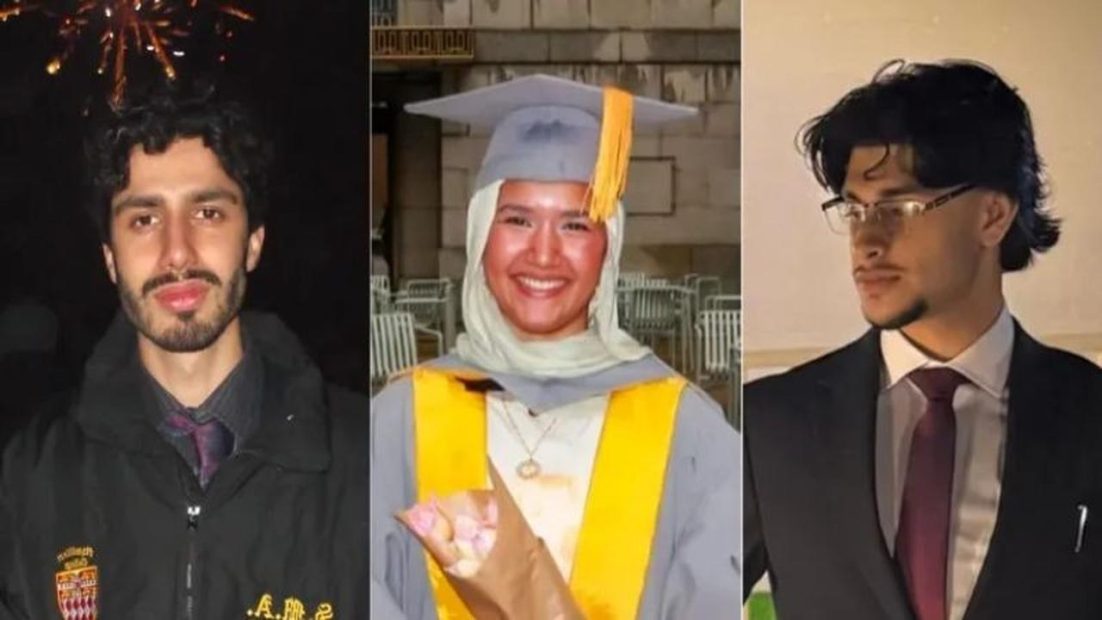
Ayan Hashmi, 20, a second-year law student at the University of York and president of its Islamic Society, said that although his faculty and student union were supportive, many social and sports events were centred around pubs. As a result, Muslim students who avoid alcohol often felt excluded. He also shared an experience of inappropriate behaviour by a driver while returning after Friday prayers.
Meanwhile, Syed Ali, 21, a final-year Politics and International Relations student at the University of Cambridge, said discrimination and racism often appeared in subtle forms, hidden behind ‘academic’ or polite language rather than direct insults.
The report called on universities and student unions to consult Islamic societies regularly and take effective steps to protect students’ religious and institutional rights.
Source: Al Jazeera