ICJ ruling: Prerequisites for Rohingya return must be ensured
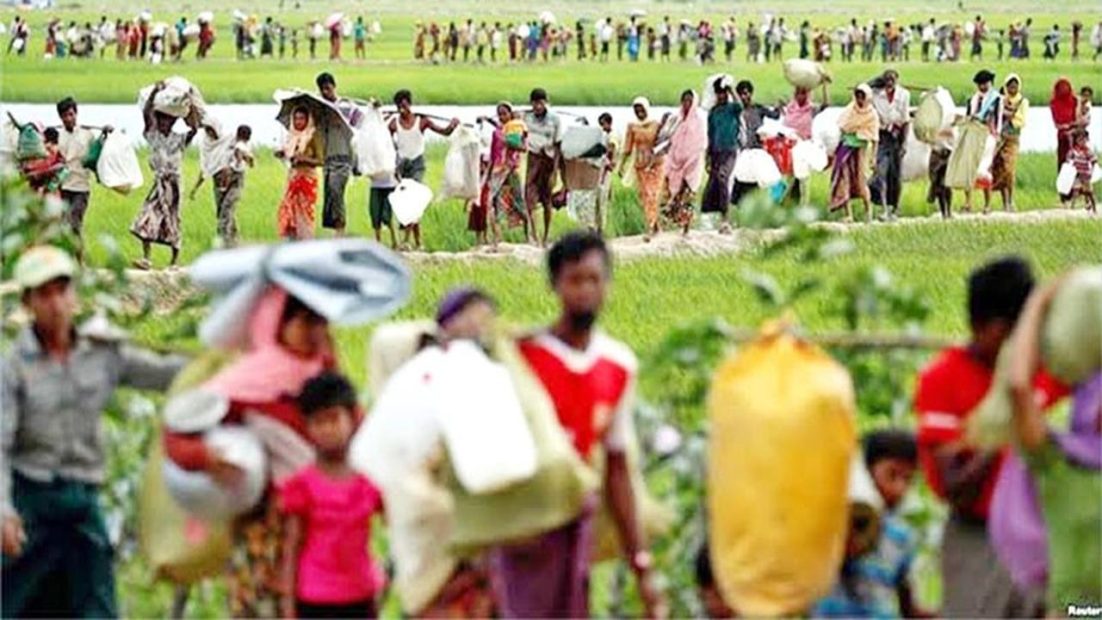
On November 19, 2026, the International Court of Justice (ICJ) ruled that Myanmar committed genocide against the Rohingya in northern Rakhine State. The ruling came in the “Gambia v. Myanmar” case and established the responsibility of the Myanmar state. The court ordered Myanmar to help displaced Rohingya return safely and voluntarily, restore their lost or damaged property or provide equivalent property, and pay compensation for losses that cannot be addressed through these measures. The long-standing demands of Rohingya families who fled to Bangladesh and those displaced within Myanmar have gained a legal basis through the ruling. Myanmar must create conditions for the Rohingya to return to their homeland. It must also bear the cost of addressing the harm it caused.
The 2017 Military Operation
In 2017, several hundred thousand Rohingya were forced to flee to Bangladesh following a military operation. The court’s ruling described killings, widespread sexual violence, and the destruction of homes and other property. Even before this violence, decades of discrimination and deprivation had left a large part of the Rohingya population stateless.
The burning of villages caused families to lose their homes, farmland, places of worship and sources of livelihood. Many could not carry any documents that could later prove where their homes were located or which properties they owned.
This reality must be considered in the process of returning property. People who are now asked to produce documents had to leave their homes under circumstances in which protecting such documents was almost impossible.
Myanmar Must Ensure Accountability
The Gambia filed the case in 2019 under the Convention on the Prevention and Punishment of the Crime of Genocide. The court also found that Myanmar failed to fulfil its responsibility to prevent genocide by people working with its security forces.
Myanmar also violated its obligation under the Convention to ensure punishment for crimes covered by it. The court ordered effective investigations into suspected individuals and, where sufficient grounds are found, their prosecution and punishment.
There is also a separate judicial process to determine the criminal responsibility of individuals. In 2024, the prosecutor of the International Criminal Court applied for an arrest warrant against Myanmar military chief Min Aung Hlaing over alleged crimes against humanity involving the forced deportation and persecution of the Rohingya.
Survivors deserve remedies from the state and a fair trial to determine individual responsibility.
Safe and Voluntary Return
The responsibility for creating conditions for the Rohingya to return lies with Myanmar. In November 2026, the UN refugee agency said that conditions for safe and voluntary return had still not been created.
The UN human rights office has documented abuses against the Rohingya by both the Myanmar military and the Arakan Army. The UN refugee agency has also reported restrictions on movement, forced recruitment and barriers to accessing basic services.
Before any family considers returning, it must be able to reliably know who controls its village, whether it will be able to access its home or land, and whether its children will be able to attend school.
Independent monitors must be allowed to visit the areas before families make their decisions and after they return. No family should be forced to choose between losing assistance in Bangladesh and facing the risk of persecution in Myanmar.
Citizenship Is Essential
The sustainability of return will largely depend on citizenship. A person who cannot obtain recognised identity documents, move freely, work legally or register a child’s birth remains vulnerable to the same system that has deprived the Rohingya for decades. The court identified protection from discrimination in obtaining citizenship and enjoying freedom of movement as part of Myanmar’s obligation to provide remedies.
Myanmar must establish a fair and accessible process for citizenship recognition for people born in exile and families whose documents were destroyed. It should also respect the right of Rohingya to identify themselves as Rohingya.
Refugees, internally displaced people in Myanmar and Rohingya who remain in Rakhine must have the opportunity to participate in designing and monitoring these changes.
Returning Property and Restoring Lives
The process of providing remedies should begin with whatever can be returned. Property lost or damaged because of Myanmar’s unlawful actions must be restored or replaced with equivalent property.
Myanmar must also help reunite separated family members and locate missing people. It should cooperate in recovering and identifying the remains of those who were killed and ensure their dignified burial. Myanmar is responsible for rehabilitating people who suffered physical or psychological harm.
Where homes or farmland can be returned, families must have a genuine opportunity to reclaim them. If documents are unavailable, credible testimony and other evidence should be accepted when verifying property claims.
There must be arrangements for people to submit claims both from refugee camps and from within Myanmar. These arrangements should include interpreters, confidentiality measures for survivors of sexual violence and opportunities to appeal decisions.
Compensation for Unrecoverable Losses
Financial compensation is essential for losses that cannot be addressed by returning property or otherwise restoring the previous situation. Even if land is returned, years of lost income cannot be recovered. Rebuilding a house cannot compensate for the loss of parents or the lasting physical injuries suffered by survivors of violence.
The court will determine the amount and method of compensation at a later stage. Meanwhile, Myanmar has been given two years. During this period, it must report what remedial measures have been taken and, where full restoration is not practically possible, propose compensation.
Rohingya representatives should participate in developing systems to verify claims and deliver compensation to affected people. Those eligible for compensation must receive it wherever they live.
No one’s claim for compensation should be rejected because they have chosen to remain abroad due to unsafe conditions.
Bangladesh Has Borne a Major Burden
Bangladesh has borne a major share of the impact of this crisis. Around 1.2 million Rohingya refugees have taken shelter in the country, mainly in Cox’s Bazar and Bhasan Char.
For years, Bangladesh and its partners have had to provide shelter, healthcare, education and other essential services. Continued investment is needed to improve services used by both refugees and local communities. International donors should continue funding these needs while the ruling is being implemented.
The court’s compensation order applies to losses suffered by the Rohingya community and its individual members. Therefore, along with securing compensation owed to survivors, separate diplomatic and funding initiatives are needed to cover Bangladesh’s costs of hosting the refugees.
Implementation Depends on the Situation in Rakhine
Implementation of the ruling will depend on the situation in Rakhine. Countries that have influence over the Myanmar military and the Arakan Army should put pressure on them to protect civilians and ensure access for humanitarian assistance.
Bangladesh and its international partners should directly involve Rohingya representatives in discussions on return. They should also demand access for independent monitoring. Progress should be measured by things that families themselves can verify.
Can those who return go to their own villages? Can they recover their property? Can they earn a living? Can they move freely without discriminatory restrictions? Can they report abuses without fear of retaliation? Are affected people receiving medical care and compensation?
For a family deciding whether to return home, the answers to these questions are far more important than the number of people listed on a repatriation list.
The Right to a Safe Future
Children who know Rakhine only through the memories of their parents have already spent years in exile. They now need education and protection. They must also have the freedom to decide what their future in Myanmar could look like.
They and their parents and grandparents have the right to know what happened to missing relatives. They deserve a fair hearing about what was taken from them and the opportunity to return home safely.
The ruling places specific responsibilities on Myanmar towards these families. It also provides a basis for other countries to pressure Myanmar to fulfil those responsibilities.
The ruling will fulfil its purpose only when people driven out of Rakhine can choose to live there again with rights and security, Myanmar returns what it can restore, compensates for what it cannot restore, and brings those responsible to justice.
Author: Security Analyst