Bangla QR Takes Center Stage in Health, Education, and Transport
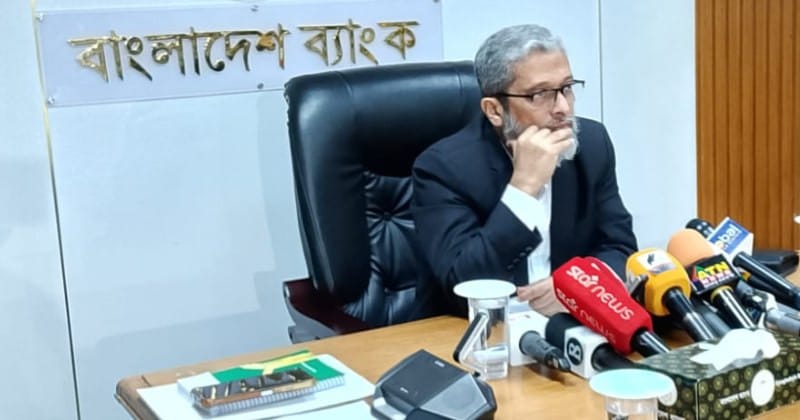
The central bank of Bangladesh is placing maximum emphasis on rapidly expanding the adoption of Bangla QR across the health, education, and transportation sectors to accelerate the transition toward a cashless economy. By introducing Bangla QR for routine, everyday interactions, such as acquiring hospital outpatient tickets, paying school tuition and purchasing school supplies, and processing toll fees on major roads and bridges, Bangladesh Bank aims to eliminate friction and minimize small-value cash transactions across the country.
Announcing the new strategic roadmap on Wednesday, September 30, Bangladesh Bank Executive Director and Spokesperson Arif Hossain Khan emphasized that launching Bangla QR in these high-volume public sectors will render daily payments seamless, safe, and fast while significantly reducing the hassle of handling physical cash and low-denomination banknotes. He noted that the primary objective of this overarching initiative is to create a clear digital footprint for every economic transaction, thereby formally accounting for the nation’s vast informal sector.
Speaking on the broader economic rationale, Mr. Arif Hossain Khan stated, ‘Integrating the country’s informal economy into the formal sector will expand the true size of the economy, making the digital and cashless push vital. Presenting Bangladesh as a trillion-dollar economy on the global stage will naturally attract higher foreign investment, a goal where a digital and cashless ecosystem plays a crucial role.’ He explained that foreign entities meticulously evaluate total market scale before investing, making the visibility of micro-transactions essential.
The initiative comes on the heels of impressive growth figures recorded over the past three months, with transaction volumes increasing nearly 3.5 times and transaction values jumping nearly fivefold since June. Transaction growth has been particularly stark following mandatory deployment guidelines introduced on July 1, reaching nearly 1,000 crore BDT in the past week alone, which averages roughly 143 crore BDT daily. Meanwhile, the active merchant network expanded dramatically to approximately 4 million onboarded vendors nationwide.
Addressing operational hurdles, Mr. Khan acknowledged that merchant payment fees remain a primary obstacle to universal adoption. He remarked, ‘If a portion of a merchant’s revenue is deducted upon selling a product, they naturally feel discouraged from accepting such payments.’ To solve this, Bangladesh Bank conducted field visits across 19 districts to gather feedback from local business associations. Consequently, a series of pragmatic pricing and simplified operational measures will roll out in phases starting October 1, extending through November and mid-December.
A cornerstone benefit of Bangla QR is its universal interoperability, resolving prior fragmentation where specific Mobile Financial Services (MFS) or bank QR codes could not process cross-platform transactions. Under the unified Bangla QR architecture, customers across any commercial bank, MFS provider, or Payment Service Provider (PSP) can execute instant payments via a single standardized gateway. High-level steering and operational committees, led by the Bangladesh Bank Governor and Deputy Governor, are actively coordinating with cross-industry stakeholders and government ministries to enforce this unified ecosystem.
Ultimately, central bank leadership views Bangla QR not merely as a convenience feature, but as a foundational infrastructure for the future of national commerce. By pairing central bank directives with institutional mandates from partner ministries, the authority expects to streamline public services, reduce long toll and hospital queues, and bring the majority of daily micro-transactions into the formal digital financial system over the upcoming quarter.