Canada to Extend GSP Benefits to Bangladesh Until 2032
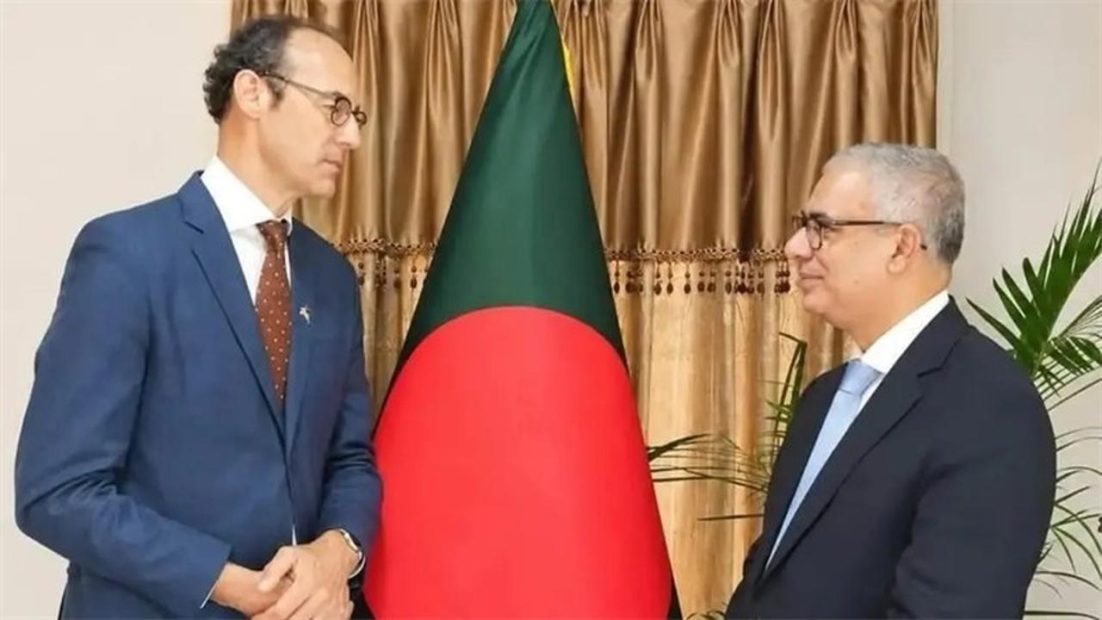
Canada has assured Bangladesh of continuing preferential market access until 2032 to ensure a smooth and sustainable graduation from the list of Least Developed Countries (LDCs).
The assurance was given at the sixth Bangladesh-Canada bilateral consultation meeting held in Dhaka on Tuesday (November 24).
Bangladesh Foreign Secretary Salahuddin Noman Chowdhury and Weldon Epp, Canada’s Assistant Deputy Minister for Indo-Pacific Affairs at Global Affairs Canada, co-chaired the meeting.
At the meeting, both sides reaffirmed their commitment to further strengthening the relationship between the two countries, which spans more than five decades. Representatives of the two countries discussed prospects for expanding trade and investment in agriculture, energy, security and defence, technical and vocational education, and training.
Both sides emphasised the importance of necessary structural reforms in Bangladesh to ensure its graduation from the LDC category. Canada expressed its interest in continuing preferential market access for Bangladeshi products under its relevant preferential trade arrangement until 2032.
Canada’s longstanding role as a development partner of Bangladesh was also highlighted at the meeting. The Canadian side said it had provided more than 6.3 billion Canadian dollars in development assistance to Bangladesh since 1972.
The meeting also referred to the announcement of 45 million Canadian dollars in assistance during Canadian Minister of State for International Development Randeep Sarai’s visit to Bangladesh in October 2026. The assistance is expected to help strengthen economic partnership in line with Bangladesh’s priorities, including economic governance, institutional reform, private sector development, trade capacity building and agricultural innovation.
The two sides also discussed expanding cooperation in skills development, technical and vocational education, knowledge exchange and educational partnerships.
Migration, security cooperation, climate resilience and various regional and global issues were also discussed at the meeting.
Both sides stressed the importance of continued international support for Rohingyas and host communities. They also reaffirmed their commitment to working with international partners to create conditions in Myanmar for the voluntary, safe, dignified and sustainable repatriation of Rohingyas.
Welcoming the recent decision of the International Court of Justice (ICJ), both sides said the ruling was significant in efforts to address the Rohingya crisis.