Oil Prices Slide 2% on US-Iran Ceasefire Hopes
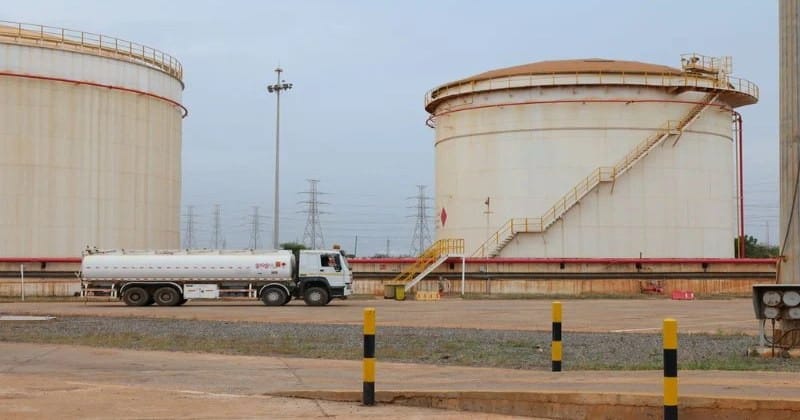
Crude oil prices in the international market fell by more than 2 percent amid ongoing diplomatic efforts between the United States and Iran aimed at ending the escalating Middle East conflict. Brent crude dropped $2.28, or 2.14 percent, to $104.30 per barrel, while U.S. West Texas Intermediate (WTI) fell $2.20, or 2.33 percent, to settle at $92.41 per barrel. Following this decline, Brent’s weekly gain shrank below 1 percent, whereas WTI posted a weekly decline of nearly 8 percent.
The sudden drop in crude prices followed talks held in New York between U.S. and Iranian negotiators to establish a framework for halting the hostilities. Sources familiar with the discussions indicated that a proposed draft outlines Tehran reopening the strategically vital Strait of Hormuz if Washington lifts economic sanctions on Iran. Before the conflict, roughly 20 percent of world oil production flowed through this choke point, where preliminary Kpler data shows 33.7 million barrels recently transited over a single week.
Despite these diplomatic efforts, Tehran reaffirmed its firm position regarding its nuclear program during the peace discussions. Speaking to Reuters in an interview on Friday, a senior Iranian official stated, ‘Even if the U.S. accepts Iran’s proposal, which includes lifting the naval blockade on Iranian ports, in exchange for reopening the Strait of Hormuz, Tehran will make no compromises or concessions regarding its nuclear activities’. This explicit declaration underscores the deep, persistent geopolitical divide between the involved nations.
Market dynamics were further influenced by discussions in Washington concerning a potential U.S. ban on diesel exports. This potential restriction widened the spread between domestic WTI and the global Brent benchmark to its highest level since May for three consecutive days. The widening gap reflects growing market expectations that U.S. refiners will reduce their overall crude processing if they are prevented from exporting refined diesel products to international buyers.
Simultaneously, investors and energy traders maintain a vigilant watch over ongoing security developments in Saudi Arabia, the world’s leading oil exporter. Threat levels remain elevated following continuous attacks by Iran-aligned Houthi rebels operating from Yemen. To address these growing security risks, military chiefs from Saudi Arabia, Turkey, and Pakistan are scheduled to convene to discuss strategic assistance for countering Houthi strikes, which continue to periodically disrupt regional petroleum operations.
Although Kpler tracking data confirms overall oil flows through the Strait of Hormuz remained stable over the past week, broader market uncertainty persists. With the wider regional conflict approaching its seventh month after joint U.S.-Israeli military actions on February 28, global energy markets continue to experience high price volatility. Traders remain caught between optimistic diplomatic negotiations and potential supply disruptions across the Middle East.