Registration of 722 NGOs cancelled over fraud and breach of conditions: Home Minister
The NGO Affairs Bureau has cancelled the registration of 722 non governmental organisations (NGOs) in the last 15 years and stopped all their activities. The charges include irregularities, embezzling money through forged signatures and breaking regulations. The bureau took this punitive action against these organisations between 2009 and 2024.
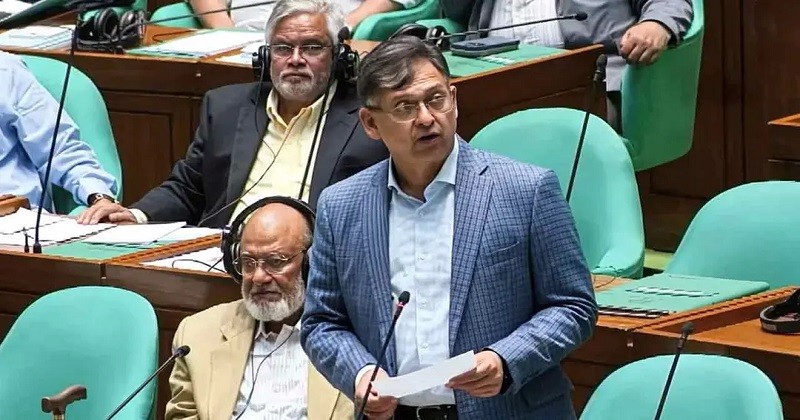
Home Minister Mr. Salahuddin Ahmed officially shared the information on Monday (9 November) in the fourth session of Parliament. He was replying to a written question from lawmaker Advocate Md. Jalal Uddin. Speaker Major (Retd.) Mr. Hafiz Uddin Ahmed Bir Bikram presided over the session.
In his written reply, the Home Minister explained the specific reasons for cancelling the registrations. He said the organisations were blacklisted and shut down after the bureau proved several offences. These include failing to apply for registration renewal within the set time and embezzling grant money through forged signatures. They also include breaking the conditions accepted at registration and the lawful orders the bureau issued later, and submitting fake or forged letters of intent (LOI).
The NGO Affairs Bureau works under its own policy and the government’s set rules and regulations. It registers new NGOs and renews expired registrations. It also approves foreign funded projects, releases money, and monitors and supervises how projects are carried out.
The minister noted that NGOs play a role alongside the government in the overall socioeconomic development of Bangladesh. He said the bureau was set up in 1990 and has since worked under the Prime Minister’s Office. It coordinates the voluntary activities of foreign funded NGOs in the country.
He also said NGOs are making a notable contribution to the main goals of the present government, the delivery of its election manifesto and the achievement of the United Nations Sustainable Development Goals (SDGs). They play an important role in building a sustainable state. Their work includes reducing poverty at the grassroots level, ending hunger, protecting public health and spreading quality education. They also work for gender equality, tackle the serious risks of climate change, prevent violence against women, and improve safe drinking water and sanitation. The minister made it clear that the government will keep a strict stand against organisations that engage in illegal activities.