40km Faridpur–Daulatdia Highway Turns into a Death Trap
The Faridpur–Rajbari–Daulatdia regional highway has become a death trap. The nearly 40-kilometre stretch from Faridpur town through Goalanda intersection to the important Daulatdia ferry terminal in Rajbari has become a major source of fear for passengers travelling across the southwestern region.
Truck driver Mohan Mia said that sections of the highway have sunk at regular intervals, forming large potholes resembling ponds. In some places, 5–10 feet of the road surface has deteriorated. The asphalt, brick chips and sand are breaking apart under the pressure of overloaded trucks. In some sections, half of the road has shifted to one side, leaving canal-like depressions or raised mounds in the middle.
The narrow, dilapidated road, a series of dangerous bends, unfit vehicles and unskilled drivers without licences are contributing to frequent serious accidents. The organisational secretary of the Faridpur regional unit of Nirapad Sarak Chai (We Demand Safe Roads) said that, according to their estimates, around 745 accidents had occurred along the 40-kilometre stretch over the past 18 months, claiming 50 lives. These figures have also been published in various media outlets.
According to information from Rajbari and Faridpur highway police sources and local data from Nirapad Sarak Chai (NISCHA), a review of road accidents and overall safety conditions on the route over the past five years presents a grim picture.
The estimated five-year figures show more than 450 accidents, 180 deaths and over 650 people injured or disabled. At least 150 people have reportedly suffered permanent disabilities. The highway has 18–20 dangerous bends, including 15 major accident-prone spots.
The road is a narrow two-lane highway, with potholes and dangerous slopes on both sides. Major hazardous points include Goalanda intersection, the Zamindar Bridge area, Khankhanapur Bazar Bridge, Goalanda Bazar, Uzanchar intersection, the Darbar Sharif area and the Panchuria link-road intersection.
Minu Mia, a resident of Dhanchi in Rajbari, also spoke about the condition of the highway. He described the Faridpur–Daulatdia highway as a severely damaged road where smoke from dilapidated vehicles and unsafe conditions have turned the surrounding area into a death trap.
The highway is one of the busiest and most important routes connecting the capital, Dhaka, with 21 districts in the southwestern region. Thousands of small and large vehicles, heavy goods trucks, buses and ambulances use the route every day.
However, poor management, potholes, unfit vehicles emitting black smoke and the uncontrolled movement of three-wheelers, including Nasimon, Karimon, Vhotvoti and battery-powered auto-rickshaws, have made the highway extremely dangerous.
A field investigation and conversations with local drivers and passengers identified several major problems along the 40-kilometre stretch.
Potholes and deteriorating road conditions
The highway has large potholes caused by a prolonged lack of repairs and the movement of overloaded vehicles. The road surface has broken apart at several points, particularly around major bends. Even light rain causes water to collect in the potholes. Drivers often fail to judge the road conditions and lose control of their vehicles, increasing the risk of accidents.
Unregulated slow-moving vehicles
The movement of Vhotvoti, Karimon, Nasimon, easy-bikes and other three-wheelers has increased significantly. Despite restrictions on their use on highways, battery-powered auto-rickshaws, easy-bikes and other slow-moving vehicles continue to operate on the route. Collisions between these vehicles and fast-moving buses or trucks are a major cause of accidents of varying severity.
Faridpur traffic sergeant Prashanta Kumar said lax enforcement of traffic laws, a lack of respect for regulations and a growing tendency to overtake had made the situation more dangerous. He said the absence of designated lanes and drivers’ reckless overtaking at high speeds had further increased the risks on the highway. Everyone should respect traffic laws, he added.
Unfit vehicles and black smoke pose health risks
The growing number of unfit buses, trucks and lorries emitting thick black smoke has become a serious environmental and public health concern. Despite the worsening situation, effective action against these vehicles appears to be lacking.
Air pollution has increased sharply. Carbon monoxide, nitrogen oxides and harmful particulate matter emitted by the engines of old and defective vehicles are polluting the local air. Speaking about air pollution and its health effects, Dr Mohammad Abzal Hossain said the health risks associated with travelling on the road were increasing day by day.
Residents living along both sides of the highway, pedestrians and passengers are exposed to the toxic fumes. As a result, respiratory problems, asthma and serious lung diseases among children and older people are becoming increasingly concerning, he said. Reduced visibility caused by the smoke is another major hazard.
An assistant director of the Bangladesh Road Transport Authority (BRTA) in Faridpur said the rear lights of many dilapidated vehicles were faulty. Thick smoke also prevents drivers of following vehicles from seeing the road ahead, sometimes causing rear-end collisions and serious accidents.
Rising accidents and loss of lives
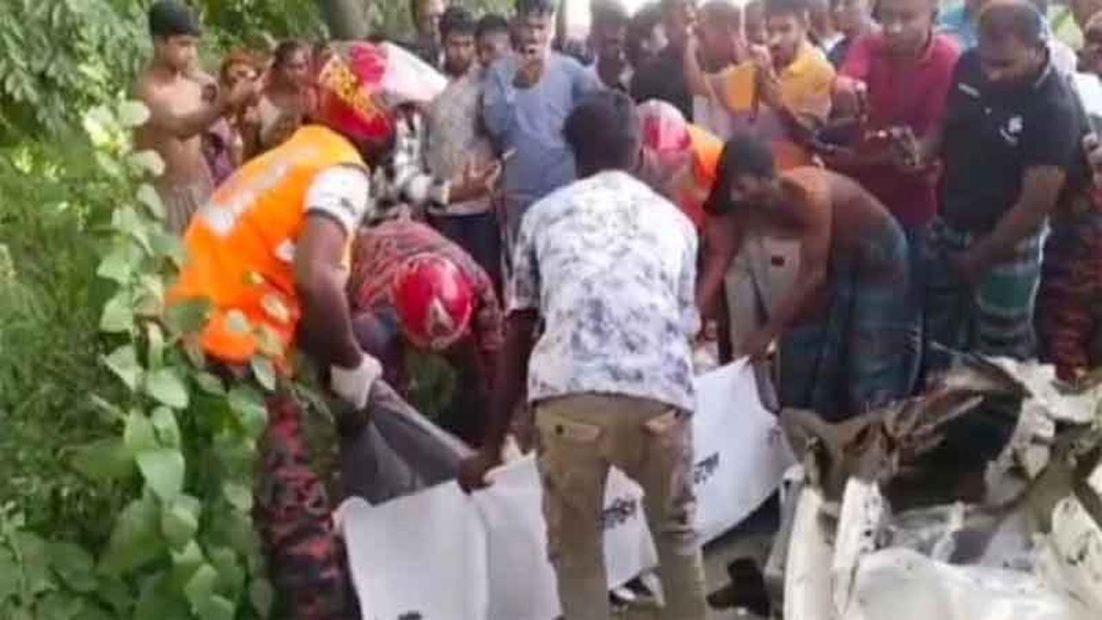
The combined effects of speeding, damaged roads and unfit vehicles continue to claim lives on the highway. Accidents have become frequent, particularly during light rain or fog. Local highway police and Fire Service sources regularly report serious accidents, including heartbreaking incidents in which entire families, including mothers and children, have lost their lives.
In some cases, injured people reportedly die before receiving proper medical treatment because they become trapped in traffic congestion caused by the damaged road. Community leaders and concerned citizens say urgent and strict measures are needed to improve road safety and ensure safe travel for the public.
Measures needed to improve safety
Strict action against unfit vehicles and black smoke: The BRTA and highway police should conduct regular joint mobile court operations. Vehicles that emit excessive black smoke or lack valid fitness certificates should be seized or barred from using the highway.
Construction of service lanes: Separate service lanes or roads should be built alongside the main highway for slow-moving vehicles, including auto-rickshaws, Nasimon and Karimon, to reduce conflicts with fast-moving traffic.
Regular road repairs: The Roads and Highways Department should promptly repair potholes and take stronger measures to maintain smooth and safe traffic movement, with greater accountability for delays.
Public awareness: Regular counselling and awareness campaigns should encourage drivers to obey traffic laws and avoid excessive speeding.
The deteriorating condition of the Faridpur–Daulatdia highway and its growing pollution are not merely regional problems. They also pose a significant obstacle to the national economy.
Visible, prompt and decisive action by the relevant authorities is urgently needed to ensure safe travel and a cleaner environment.
Faridpur–Madaripur Zone Highway Police Superintendent Ahmed Humayun told Daily Inqilab that he was committed to taking various initiatives in the future to address the problems and resolve the existing issues.