Devastating War Reshapes Gaza, Shattering Daily Life
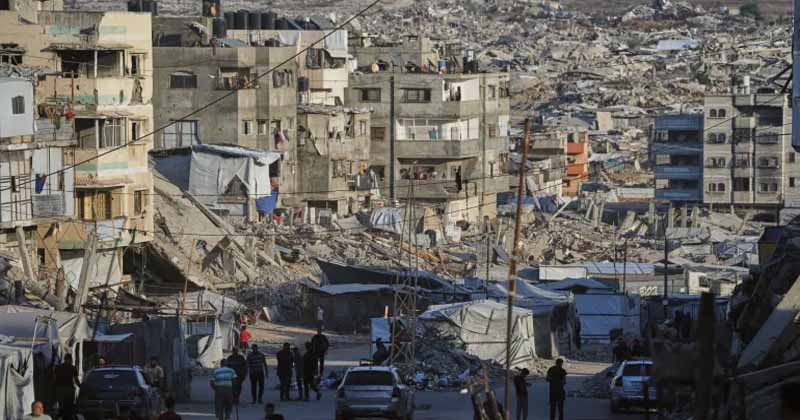
Wednesday marked three full years since the outbreak of war in the Gaza Strip on October 7, 2023, leaving the territory’s daily life, economy, healthcare, and critical infrastructure severely destroyed. Despite a formal ceasefire announced in October 2025, persistent violence has claimed at least 1,462 additional Palestinian lives. Gaza’s Ministry of Health reports that overall fatalities have surpassed 74,245 since hostilities began. Beyond the massive loss of life, the protracted warfare has transformed physical landscapes, crippled civic structures, and plunged more than two million residents into an enduring crisis of survival.
According to United Nations assessments, approximately 94 percent of Gaza’s population remains in urgent need of emergency shelter and basic household assistance. Around 65 percent of displaced families currently survive in temporary tents or flimsy makeshift shelters. The severe lack of essential household goods, such as adequate bedding, cooking utensils, safe lighting, and proper sanitation facilities, continues to worsen daily suffering. Furthermore, 91 percent of households experience moderate to high water insecurity, while damaged roads, severed communications, and a destroyed power grid severely restrict mobility and access to emergency services.
The economic infrastructure of the Gaza Strip has experienced near-total collapse over the past three years. Data from UN Trade and Development (UNCTAD) reveals that 92 percent of economic establishments have been damaged or destroyed, pushing the regional unemployment rate to 78 percent. By 2025, Gaza’s per capita Gross Domestic Product (GDP) had plummeted to just $212, representing approximately 17 percent of its 2022 pre-war level. With industrial and agricultural output virtually halted, most families have become entirely reliant on humanitarian aid, informal micro-jobs, and informal loans amid soaring market prices.
The breakdown of the education system poses a grave long-term threat to the region’s youth and future generations. UNICEF estimates that roughly 98 percent of school buildings across the strip have sustained damage or total destruction. Consequently, around 700,000 children aged 4 to 17 have been deprived of continuous, in-person classroom instruction for nearly three consecutive years. While informal learning sessions take place inside temporary shelter tents, approximately 200,000 children remain entirely without access to educational opportunities, creating severe developmental gaps throughout the blockaded territory.
Gaza’s healthcare system remains on the brink of complete operational collapse amid acute resource deficits. According to World Health Organization (WHO) data, all 36 hospitals in Gaza have suffered physical damage, with only 19 remaining partially operational and none functioning at full capacity. Essential facilities rely almost entirely on private generators, fuel shipments, and dwindling medical supplies. WHO estimates highlight that over 12,400 patients have been medically evacuated abroad, yet vast numbers remain stranded on critical waiting lists, while unsanitary shelter conditions heighten infectious disease risks.
The physical geography of the territory has contracted significantly due to military controls and designated restricted areas. By late 2026, the Euro-Med Human Rights Monitor estimated that nearly 70 percent of Gaza was under Israeli military control or marked as off-limits. This spatial contraction was vividly demonstrated in Rafah, where over 800,000 people were displaced anew following military operations in May 2024. Today, with large portions of the southern city remaining restricted, over two million Palestinians are forced into an increasingly dense and shrinking fraction of the strip.
Three years of continuous conflict have severely dismantled Gaza’s internal administrative framework and law enforcement networks. Targeted strikes on police facilities and personnel have drastically reduced local capacity to maintain civil order and public safety. UN Human Rights Office figures document multiple targeted attacks on civil police forces, further exacerbating social instability across the enclave. Restoring essential services and rebuilding the destroyed physical, economic, and institutional infrastructure will ultimately require immense international resource commitments and decades of continuous reconstruction efforts.
Source: Al Jazeera