‘Super El Niño’ sparks extreme weather, global disaster looms
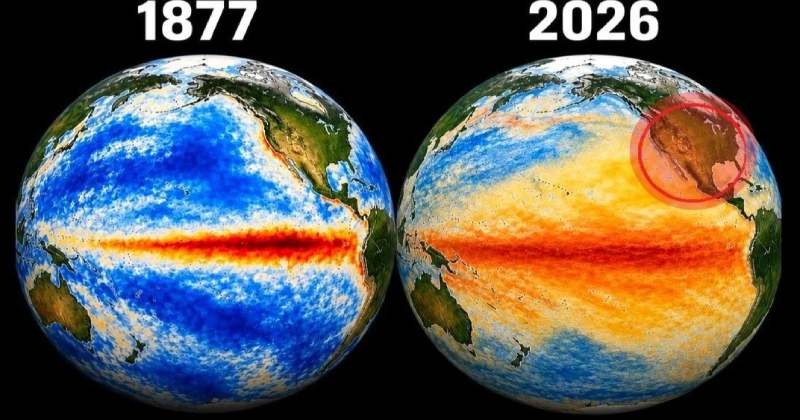
A record breaking and very strong El Niño is growing more intense. Experts fear it will bring severe heat waves, droughts, floods, crop losses and a chain of human crises across the world.
The World Meteorological Organization said this situation will very likely last until February 2027. It said this could be one of the strongest El Niño events since records began in 1950.
The forecast says sea surface temperatures in the central and eastern tropical Pacific Ocean may rise up to 3.7 degrees Celsius above normal between October and December. This would pass the earlier record of 2.6 degrees Celsius set in 2015 and 2016.
A Super El Niño can upset the air circulation system across the globe. Some regions may face fierce heat waves. Others may see drought from lack of rain, and some may be hit by destructive floods. The effects can quickly spread from the climate system to farms, food markets, water supply systems and key sectors such as hospitals.
Drought can destroy crops and livestock. Too much rain can wash away crops and homes. Extreme heat can raise the risk of dehydration, infectious diseases and deaths from heat. Displacement, repeated disasters and long lasting uncertainty can deepen anxiety, trauma and mental stress among people.
The impact can be especially deadly for children and for groups that are already at risk. UNICEF estimates that more than 347 million children in nearly 100 countries may face health risks from unusual rainfall or extreme dry weather between October and December.
Researchers have warned that extra deaths worldwide could reach 451,000 by February 2027 because of this extreme weather. The scale will differ from one continent to another.
Asia: The Indian subcontinent may see drier weather than normal. This can threaten crops and water supply. South and Southeast Asia may face drought and food insecurity. Some parts of East Asia may see heavy rain and floods.
Bangladesh, Pakistan and Afghanistan are on the list of countries at risk. Bangladesh has already seen deadly floods and landslides.
Africa: A severe drought risk in Southern Africa threatens maize, livestock and food security. In the Horn of Africa, unusually heavy rain and floods are feared. Somalia, Kenya and Ethiopia may face crop losses, displacement, disease and malnutrition. Central Africa, Sudan, South Sudan and Chad face an especially high humanitarian risk.
Europe: Unusually warm weather may worsen heat waves, drought, wildfires, farm losses and water shortages. These will raise risks to physical and mental health.
North America: Heavier than normal rain south of 45 degrees north latitude may raise flood risks. Extreme heat may also worsen heat illness, crop losses, breathing problems and mental stress.
South America: Dry weather in the northwest threatens farming and water supply. Wetter areas in the southeast face floods. This disrupts food production and hurts vulnerable rural communities.
Oceania and the Pacific: Australia and parts of the Pacific face severe heat, drought and water shortages. This puts pressure on food supply and raises the risk of displacement and mental stress.