Is Barkatullah Bulu’s Remark an Attempt to Please His Indian Backers?
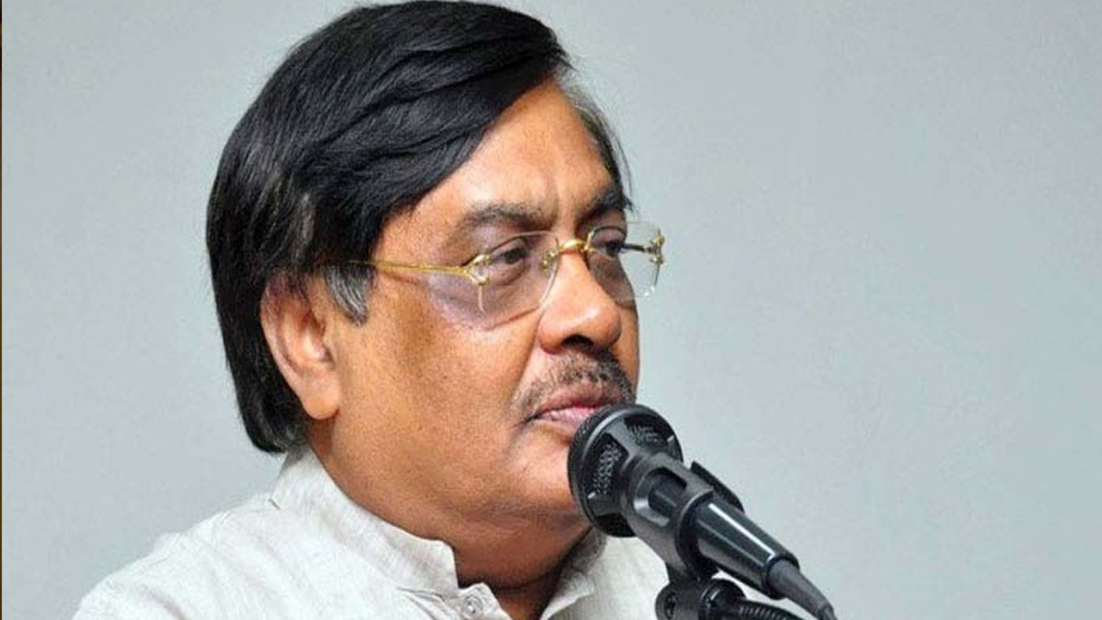
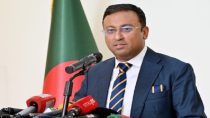
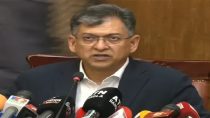
In politics, a statement is sometimes more than a statement. A single word can raise big questions about a party’s political thinking, its strategy or its view of the public mood. The recent remark of BNP Vice Chairman Mr. Barkat Ullah Bulu has raised one such question. He said, “Prime Minister Mr. Tarique Rahman has become the Prime Minister of Bangladesh because of our Sanatan brothers and sisters.”
At the same event, he explained that BNP won some centres in his constituency this time, where it had never won before. He said Sanatan voters played a part there. If Sanatan citizens really voted for BNP, it is normal political courtesy to thank them. The real question is different. How did the effect of votes in one constituency become the main or deciding reason for a Prime Minister to come to power at the national level?
Nobody can deny the population facts of Bangladesh. The 2022 census says 91.04 percent of the people are Muslim and 7.95 percent are Hindu. Buddhists make up 0.61 percent, Christians 0.30 percent and followers of other faiths 0.12 percent. So no party can explain how it won national power while ignoring Muslim voters. It is also true that Muslim voters do not all vote the same way just because they are the majority. Minority voters do not all vote the same way either. Every citizen makes a personal political choice, so the question is not against Sanatan people. It is about the political meaning of the remark.
Is the Muslim contribution invisible?
Nobody can deny the contribution of Muslims to the history of the state, society and politics of Bangladesh. The majority of the people took a big part in the Language Movement, the movement for autonomy, the Liberation War and the movements for democracy. The Liberation War of 1971 was not the war of one religious group. People of all faiths took part. Muslims, Hindus, Buddhists and Christians gave their lives and bore torture.
So the state’s thinking must not deny the contribution of the majority, and it must not belittle the contribution of the minority either. But suppose a party explains its win in a way that suggests the government came to power through Sanatan votes and not Muslim votes. That sends a political message that clashes with reality.
Are Sanatan votes a favour or a citizen’s right?
One more point needs to be clear. Sanatan citizens of Bangladesh do not beg any party for favours. They are citizens of this country. They have the right to vote, and so do Muslims. Why did anyone need to show their votes as a “special favour”? Is the aim to use Sanatan people to grab some post or rank in the state?
A Hindu citizen may vote for BNP or any other party, or may not vote at all. In the same way, no party has a fixed claim on a Muslim’s vote. So we must respect Sanatan votes as a citizen’s right. We must not treat them as a “special contribution” to a party’s rise in a way that makes the political role of Muslim citizens vanish.
Why does Mr. Bulu speak this way, from “say his name after wudu” to “PM through Sanatan votes”?
Mr. Bulu has spoken about Mr. Tarique Rahman in this way before. He once said, “If you want to say Mr. Tarique Rahman’s name, do wudu first.” He made this remark last year at a political event in Cumilla. Such a statement from a political leader raises the question of personality worship. His new remark raises another kind of question.
We can never support linking a national leader’s political legitimacy to the votes of one religious group in this way. In politics, the people are bigger than the leader. Whether a person does wudu before saying a name is a personal matter. But the right to run the state comes from the votes of the people, the constitution and the democratic process. If a government wins an election, giving the credit to one religious group does not show the full picture of democracy.
Is there a motive behind it?
We must stay careful here. I do not want to say there is a “conspiracy” behind Mr. Bulu’s remark, because I will not reach such a conclusion without proof. We should also look with great care at the idea of using an intelligence agency to probe a political statement. But suppose the remark knowingly creates a political split between the majority and the minority. Then it is fully fair to ask about its aim, its background and its political result.
A split of Muslim against Sanatan is good for no one
The future of Bangladesh cannot rest on a religious contest. Muslims are the majority of this country, and that is a fact of the census. Sanatan people are important citizens of this country, and that is also a fact. The state must protect the rights of the majority. It must also protect the safety and equal rights of the minority.
But suppose someone says “we are in power because of you” for political gain. Suppose he also tells the majority “your votes count for less”. That is dangerous for national unity. The language of politics should be “the government comes from the votes of all citizens”. No one is a bigger citizen because he is Muslim, and no one is a smaller citizen because he is Sanatan. At the same time, denying the political and historical contribution of the majority is not a sign of secularism.
Final words
So the most important point about Mr. Bulu’s remark is not whom Sanatan people voted for. The bigger question is why he linked a national leader’s political win to the votes of one religious group in this way. If Mr. Tarique Rahman’s leadership or BNP’s win came through the people’s votes, we must credit all voters. That means Muslims, Hindus, Buddhists, Christians and every citizen.
If Sanatan votes played an important part in BNP’s win in one area, thank them. But why make the political role of the Muslim majority of the country vanish for that reason? Is he working hard to please the Dada Babus and secure his own future? In Bangladesh after July, can the Dada Babus do anything now? If Mr. Bulu does not understand this, how can it go on?
We must remember that Muslim majority votes elected the government. Still, I want to say that no single faith forms the government of Bangladesh alone. The combined votes of the people form the government. So we need facts, figures and political accountability, not excitement, over Mr. Bulu’s remark. In the politics of Bangladesh, the last word is not a split between Muslim and Sanatan. It is to protect the dignity of every citizen’s vote and the equal right of all to the state.
Author: President, Muktijuddho Projonmo Council