Cox’s Bazar Residents Suffocate in Endless Traffic
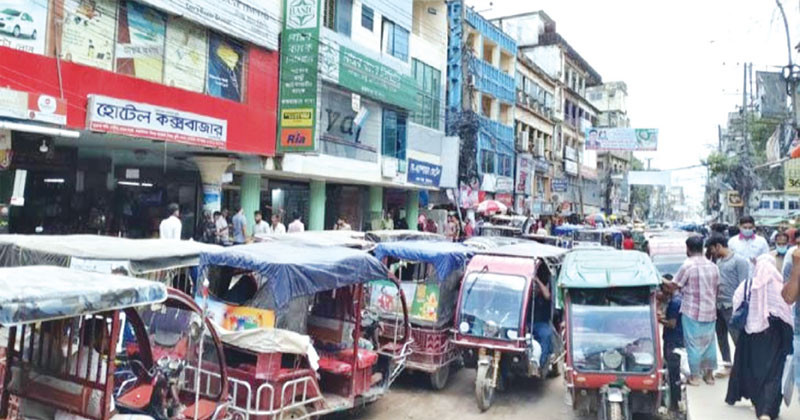
Traffic congestion and public suffering are intensifying daily in Cox’s Bazar, the primary tourist city of Bangladesh, as thousands of unauthorized battery-operated three-wheelers dominate the streets. Local sources report that while official approval exists for only 3,500 Tom-Toms, over 10,000 are currently plying the roads alongside more than 2,000 unregistered Mishuks. This massive surge in unlicensed vehicles severely disrupts the daily routines of over 400,000 residents while subjecting visiting tourists to extreme commuting inconveniences across major arteries and narrow alleyways.
The unrestrained movement of these three-wheelers, combined with erratic passenger drop-offs and clustering at busy intersections, has transformed the town’s traffic management into absolute chaos. City dwellers complain that road capacity and traffic control measures remain completely inadequate for the growing volume of transport. Commuters, students, patients, and pedestrians endure significant time loss and heightened accident risks. Furthermore, random vehicle clustering forces pedestrians into hazardous situations while crossing busy roads, threatening to tarnish the coastal city’s reputation during peak tourist seasons.
Compounding the crisis are serious allegations regarding the illegal distribution of numbered stickers to unauthorized Mishuks by an influential syndicate. Several drivers claimed that a local Owners’ Association issued these stickers for 1,000 BDT each, assuring them immunity from traffic police intervention. Additionally, reports have surfaced implicating a ring led by an individual named Chand Mia in extortion and collecting large sums of money. Attempts to reach him via telephone for comments were unsuccessful as he did not answer the calls.
Meanwhile, rumors regarding a new initiative to issue licenses for an additional 2,000 Mishuks have sparked widespread anxiety among residents. Citizens emphasize that issuing new permits without assessing current road capacity, verifying existing license records, and identifying illegal vehicles will only deepen the crisis. They demand complete policy transparency and a thorough investigation to clarify whether displaying a private sticker can legally validate an unauthorized vehicle on public roads, urging authorities to determine actual vehicle numbers before approving any new permits.
The persistent gridlock poses a major threat to the local tourism economy as visitors traveling to hotel-motel zones, scenic spots, and shopping centers face endless delays. Disciplined road management is critical for sustaining the town’s hospitality standards, yet relevant municipal authorities currently lack accurate data regarding the exact number of licensed versus operating vehicles. Concerned citizens fear that without immediate and decisive administrative intervention to control transport numbers, daily life will become entirely unbearable for both locals and incoming tourists.
Addressing the worsening situation, Additional Superintendent of Police Debojyoti Majumder, in charge of the District Traffic Department, stated that traffic police are actively taking measures against illegal Tom-Toms and Mishuks. He assured that legal action is being initiated against all unauthorized vehicles, whether operating individually or under an organized syndicate. Residents continue to call for sustained and rigorous enforcement of these legal measures to restore order, improve road safety, and eliminate systematic extortion across the seaside resort town.