US-Russia Diesel Deal: Trump’s Bold Move to Slash Fuel Prices Ahead of Elections
In a bid to curb surging domestic energy costs ahead of the upcoming U.S. midterm elections, President Donald Trump has temporarily eased wartime sanctions on Moscow, striking a deal to import Russian diesel into both international and American markets. Following discussions with Russian President Vladimir Putin, Mr. Trump announced that Russia will immediately export over 300,000 tons of diesel, followed by 500,000 tons in November and one million tons in subsequent phases. To facilitate these shipments, the U.S. Department of the Treasury issued a temporary license permitting Russian diesel transactions on the global market through April 2027, a decision the Kremlin promptly confirmed.
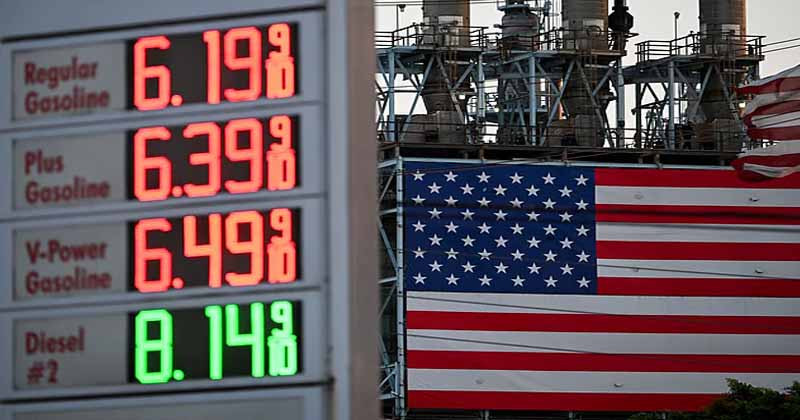
The policy shift comes as soaring inflation and rising oil prices threaten the Republican Party’s control over Congress in the approaching elections. Following U.S.-Israeli military actions in Iran and an ongoing crisis in the Strait of Hormuz since February, fuel costs have spiked dramatically across the United States. Gasoline prices have surged by 46% to $4.37 per gallon, while diesel prices have jumped 67% to $6.28 per gallon. Addressing the public on social media, President Trump emphasized that lowering fuel costs for American farmers, ranchers, and truck drivers remains his administration’s top priority during this critical economic period.
However, the agreement has drawn intense backlash from Ukraine, which views the sanction relief as a betrayal of international coalition efforts against Russian aggression. Strongly protesting the energy deal, Ukrainian President Volodymyr Zelenskyy publicly condemned the decision to reporters, stating, ‘This is by no means honest; it is completely disrespectful to our partners, and in my view, it is a very weak decision.’ Despite Mr. Zelenskyy’s sharp criticism, Washington has maintained that stabilizing energy supplies and reducing financial burdens on American working families are essential measures that cannot be delayed.
Amid the diplomatic tension, American and Ukrainian delegates convened in Miami on Friday to discuss security guarantees and strategies to end the conflict before winter sets in. Representatives from Britain, France, Germany, NATO, and the European Union also attended the summit to address the prolonged war. However, peace talks remain heavily stalled due to Moscow’s unilateral demands concerning the eastern Donbas region. While Western allies attempt to chart a path toward diplomatic resolution, the relief on Russian fuel underscores the deep economic complexities shaping global politics ahead of the U.S. elections.
Source: Gulf News.