Bangladesh seeks Thai investment in agro-processing, joint production
Bangladesh is seeking Thai investment in agro-processing, halal food production, industrialisation and joint production networks. The two countries have also discussed expanding maritime connectivity between Thailand’s Ranong Port and Chattogram Port to boost trade.
Prime Minister’s Adviser on Finance and Planning Rashed Al Mahmud Titumir said Thai businesses had expressed interest in investing in these sectors in Bangladesh.
He said there was considerable scope to expand trade relations between the two countries. The government aims not only to reduce the trade deficit but also to create jobs and boost exports by linking their production and supply chains.
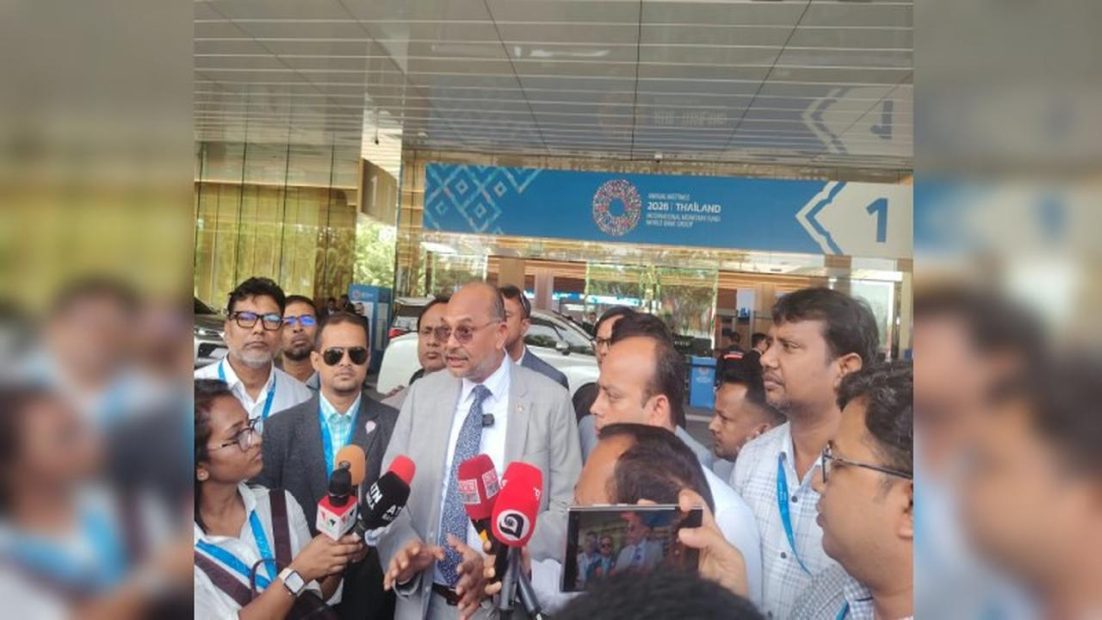
He made the remarks while speaking to journalists on Monday on the sidelines of the 2026 annual meetings of the International Monetary Fund (IMF) and the World Bank Group in Thailand.
Titumir said several promising sectors for investment in Bangladesh were discussed at a meeting with the Thai Chamber of Commerce. These sectors offer opportunities for production, processing and value addition. Thai investors have shown particular interest in agro-processing and halal food products, he added.
Huge potential in agro-processing
Bangladesh produces large quantities of mangoes, jackfruits, lychees and other agricultural products during their respective seasons. However, many go to waste due to inadequate cold storage and processing facilities, often leaving farmers unable to get fair prices.
Titumir said these products could be processed for domestic and international markets.
He said Thailand had expressed interest in investing in the processing of agricultural products into halal food items for export. Proper storage and processing of locally produced fruits and other agricultural products could create new investment opportunities.
Such investments would increase export earnings, expand markets for farmers, reduce waste and create jobs in rural areas, he added.
Bangladesh, Thailand plan joint production networks
Titumir stressed the need to establish joint production networks between Bangladesh and Thailand.
Under such arrangements, raw materials could be produced in Bangladesh, intermediate goods manufactured in Thailand, and finished products exported to international markets. In other cases, Thailand could produce the raw materials or intermediate goods, while Bangladesh would manufacture the finished products.
Such networks would enable industries in both countries to complement each other, boosting investment, production and trade while strengthening Bangladesh’s participation in regional supply chains.
He said bilateral relations should move beyond the exchange of goods towards industrialisation, value addition and joint production. This could open up opportunities to export products to ASEAN markets and other international markets.
Ranong-Chattogram sea route to boost trade
Titumir said discussions had also taken place on expanding maritime connectivity between Thailand’s Ranong Port and Chattogram Port.
Improved connectivity between the two ports and more efficient cargo transportation could help expand bilateral trade, he said.
The initiative could make it easier for businesses in both countries to transport goods and create new opportunities for shipping agricultural products, processed food, industrial raw materials and other commodities.
FTA opportunities under discussion
Bangladesh is also exploring the potential for free trade agreements (FTAs) with Thailand and other ASEAN countries. It is also considering opportunities under the Regional Comprehensive Economic Partnership (RCEP) framework, Titumir said.
He said tariff concessions could help increase bilateral trade. However, the goal was not merely to reduce the trade deficit but also to expand production, investment and exports.
Bangladesh steps up efforts to attract foreign investment
Titumir said Bangladesh was pursuing investment opportunities with other countries alongside its discussions with Thailand.
He said several investment initiatives involving China were under way. Bangladesh had also been in contact with Japanese companies such as Toyota and Marubeni Corporation. He also mentioned engagement with US delegations and technology companies.
Policy stability, discipline in the financial sector and a business-friendly environment were essential to attracting more investment, he said. He added that employment should be increased by reopening closed factories and setting up new industries.
Titumir said financing at a negative interest rate of 7 per cent had been arranged to support the reopening of closed factories. However, he did not provide details of the financing terms or implementation process.
He said the government’s economic plan focused on increasing investment, expanding production, creating jobs and reviving the economy. Bangladesh is seeking to deepen trade and investment ties with regional partners such as Thailand to achieve these goals.