Solar Panels to Be Installed on More Than 400 RHD Facilities
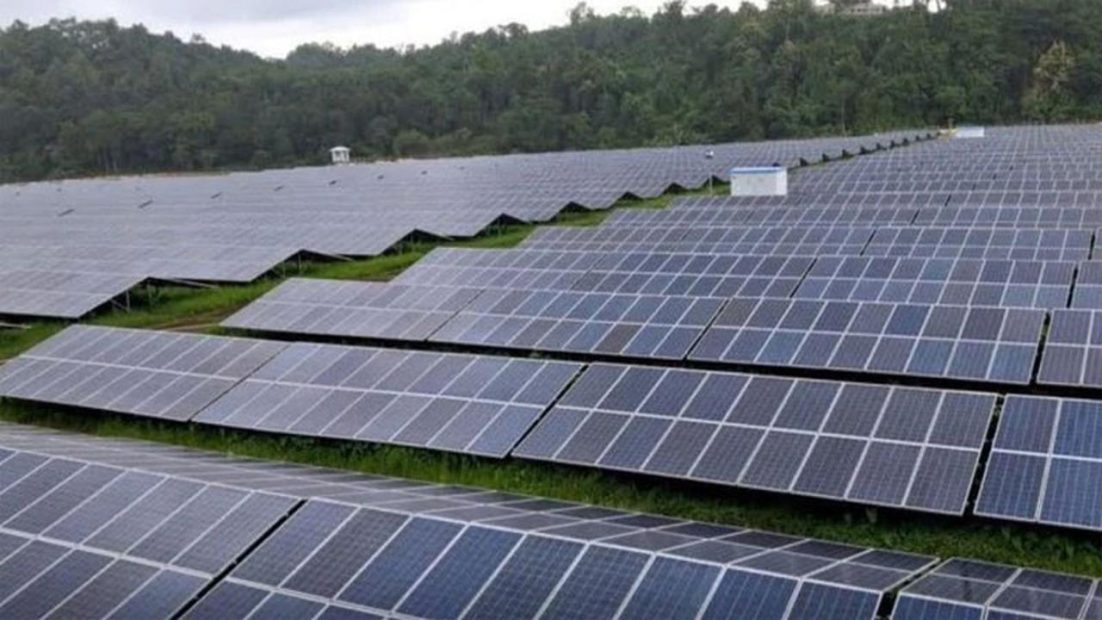
The Roads and Highways Department (RHD) has taken an initiative to install solar power systems on the rooftops and unused spaces of more than 400 of its facilities to increase the use of renewable energy in government establishments. The plan aims to install solar power systems with a total capacity of 5,144 kilowatts in phases between the 2026–27 and 2029–30 fiscal years.
RHD Chief Engineer Md. Moniruzzaman told the state-run news agency BSS that the initiative was taken in line with the government’s efforts to expand the use of renewable energy. The project is expected to reduce electricity costs at government offices, lower dependence on the national grid and cut carbon emissions.
According to RHD sources, solar power systems with a total capacity of 410 kilowatts have already been installed at various facilities. These systems generate around 25,000 units of electricity each month. Mr. Moniruzzaman said the department had taken steps to invite tenders for installing solar power systems with a capacity of 284 kilowatts in the current 2026–27 fiscal year. Preparations are also underway to install systems with an additional capacity of 960 kilowatts.
Under the plan, solar power systems with a capacity of 1,244 kilowatts will be installed in the 2026–27 fiscal year, followed by 1,200 kilowatts annually in each of the next two fiscal years. Systems with a capacity of 1,500 kilowatts will be installed in the 2029–30 fiscal year.
The department is also preparing a project to establish megawatt-scale solar power plants on its unused land. Mr. Moniruzzaman said installing solar panels on rooftops would allow electricity to be generated without using additional land. Using the electricity generated during the day at the department’s own offices would reduce power costs and ease pressure on the national grid.
Mozzafar Ahmed, chairman of the Sustainable and Renewable Energy Development Authority (SREDA), told BSS that expanding the use of clean energy sources such as solar and wind power would contribute to achieving the net-zero climate target by 2050. He described the RHD initiative as commendable.
According to SREDA, the Renewable Energy Policy 2025 sets a target of generating 20 percent of the country’s total electricity from renewable sources by 2030 and 30 percent by 2040. The RHD initiative is expected to help achieve these targets by making greater use of government infrastructure to expand clean energy production.