Is Purdah Only for Women, or Does It Also Govern Men’s Gaze and Behaviour?
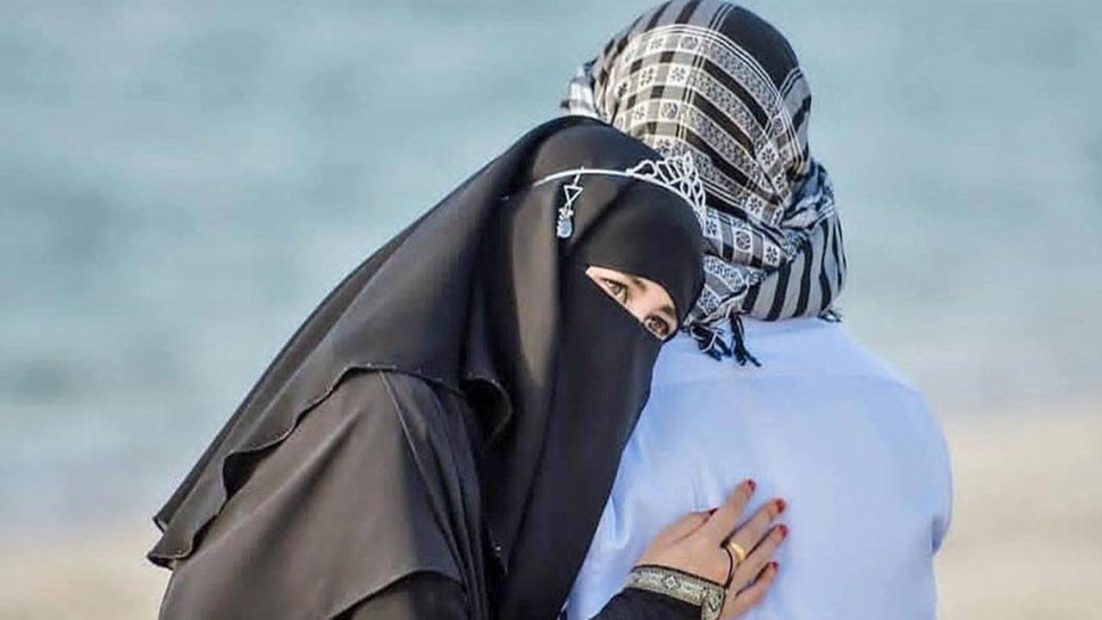
Is purdah limited to women’s clothing, or does it also include men’s gaze and behaviour? In our society, discussions about purdah usually focus on women’s clothing, movement and modesty. However, in Islam, the rules of purdah apply equally to both men and women. In the Holy Quran, Allah clearly addresses men first and instructs them to observe purdah.
Allah (SWT) says in the Holy Quran, “Tell the believing men to lower their gaze and guard their private parts.” (Surah An-Nur: 30). The following verse addresses women: “And tell the believing women to lower their gaze and guard their private parts and not expose their adornment.” (Surah An-Nur: 31).
These verses make it clear that building a modest society begins with men controlling their gaze and is complemented by women maintaining modesty. In other words, purdah is not solely a woman’s responsibility. Men must also control their gaze and behaviour.
A practical example can be found in an incident during the Farewell Hajj. Fazl ibn Abbas (RA) was riding behind the Prophet Muhammad (PBUH) on a camel. When a beautiful woman from the Khath’am tribe approached the Prophet (PBUH) to ask a religious question, Fazl (RA) began looking at her. The Prophet (PBUH) then turned Fazl’s face away. (Sahih al-Bukhari, Hadith 1513). This incident shows that the Prophet (PBUH) placed great importance on teaching men to control their gaze towards women.
Another hadith, narrated by Jarir ibn Abdullah (RA), states that he asked the Prophet Muhammad (PBUH) about an accidental glance at a woman. The Prophet (PBUH) instructed him to turn his gaze away. (Sahih Muslim). Similarly, the Prophet (PBUH) instructed Ali (RA) not to follow one glance with another, as an unintentional first glance and a deliberate second glance are not the same. (Sunan Abu Dawud). These teachings clearly emphasise the importance of men controlling their gaze.
Consider a common situation: a woman is walking along the street wearing modest clothing, yet a man makes an indecent comment towards her or behaves disrespectfully. This raises an important question: is the lesson of purdah limited to the woman’s clothing, or should it also be reflected in the man’s gaze and behaviour? Islam teaches that every person is accountable for their own actions. A woman’s clothing can never be an excuse for someone else’s misconduct.
Sadly, in our society, women are often criticised for not observing purdah. However, men’s inappropriate gazes, vulgar comments and harassment of women are frequently overlooked. Purdah is not merely about outward covering; it also involves controlling one’s gaze, modesty, self-restraint and moral conduct. Just as a woman should observe purdah by maintaining modesty, a man should also practise it by controlling his gaze and respecting women.
Therefore, discussions about purdah should go beyond one-sided criticism. Alongside women’s clothing, equal attention must be given to men’s gaze, behaviour and moral responsibilities. Purdah is not a rule imposed on only one gender; it teaches self-restraint, modesty and purity to both men and women. A society that focuses on women’s purdah but remains silent about men’s responsibility to control their gaze has failed to understand the true lesson of purdah.