Rubio’s India Visit Sparks Row Over Jaishankar Being Summoned to Mumbai
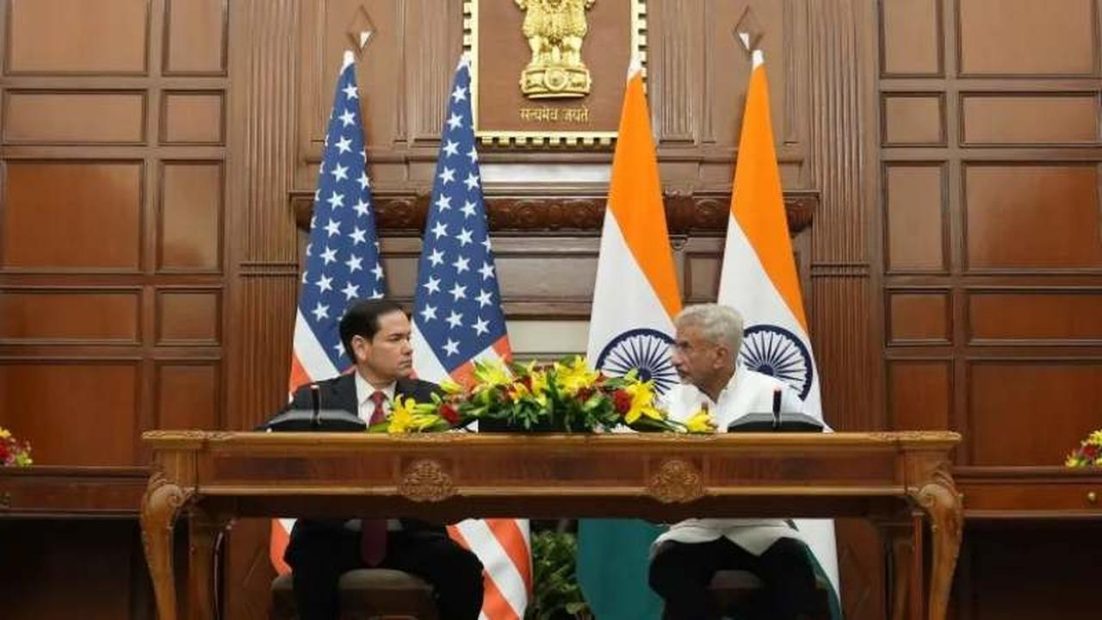
A decision by US Secretary of State Marco Rubio to bypass New Delhi, summon Indian External Affairs Minister Subrahmanyam Jaishankar to Mumbai for a meeting and then visit an oil refinery in Jamnagar, Gujarat, has triggered a diplomatic controversy in India.
Critics say Washington is treating India’s top diplomat like a subordinate official. According to The Hindu, Indian Ministry of External Affairs spokesperson Randhir Jaiswal had earlier declined to confirm Mr. Rubio’s visit, saying an announcement would be made at an appropriate time.
The controversy intensified on Thursday when US Ambassador to India Sergio Gor said at the Bloomberg New Economy Forum in New Delhi that Washington had expected Jaishankar and other Indian officials to travel from the capital to Mumbai. Congress general secretary Jairam Ramesh described Gor’s remarks as “highly unusual”.
Rahul Gandhi, Leader of the Opposition in the Lok Sabha, wrote on Friday that Rubio had “summoned his employee to Mumbai”.
Congress MP Pawan Khera said, “For a foreign government to summon India’s external affairs minister while standing on Indian soil sets a new low. Even by the standards of the Modi government, this is a new low.”
The tensions between the United States and India extend beyond protocol and diplomatic etiquette. The episode has raised questions about India’s position in its relationship with Washington.
The perceived slight comes at a time when bilateral ties are under strain over trade disputes and India’s purchases of Russian oil. The incident has also highlighted Washington’s approach to a strategic partner from which it expects alignment with its diplomatic and economic priorities.
Mr. Rubio’s itinerary places particular emphasis on Reliance’s refinery in Jamnagar, bringing India’s energy sector into focus in US diplomacy. Washington is seeking buyers for Venezuelan crude oil while also facing domestic pressure over energy prices.
After trade negotiations collapsed in August last year, Washington imposed tariffs of 50 per cent on most Indian goods. Although an agreement in February reduced the rate to 18 per cent, subsequent negotiations have stalled.
According to The Hindu, Indian Finance Minister Nirmala Sitharaman said the talks had reached a “stalemate”.
Meanwhile, Reuters reported that Commerce Minister Piyush Goyal said on Thursday that the “first phase” of a trade deal was nearing completion. However, he said India would not sign the agreement until its exporters were placed in a favourable position compared with competitors such as Bangladesh, Vietnam and Indonesia.
Samir Lalwani, a senior fellow at the Carnegie Endowment for International Peace, has written that Indian public opinion towards the United States has fallen to a record low.
He attributed the decline to Washington’s engagement with Pakistan and US-Israeli actions against Iran, which, in his assessment, have pushed India back towards Russian oil.
“These negative perceptions in the political relationship have deteriorated much faster than the strategic foundations,” he wrote.