State Minister Ishrak Became a Victim of the Home Minister’s Failure: Hasnat Abdullah
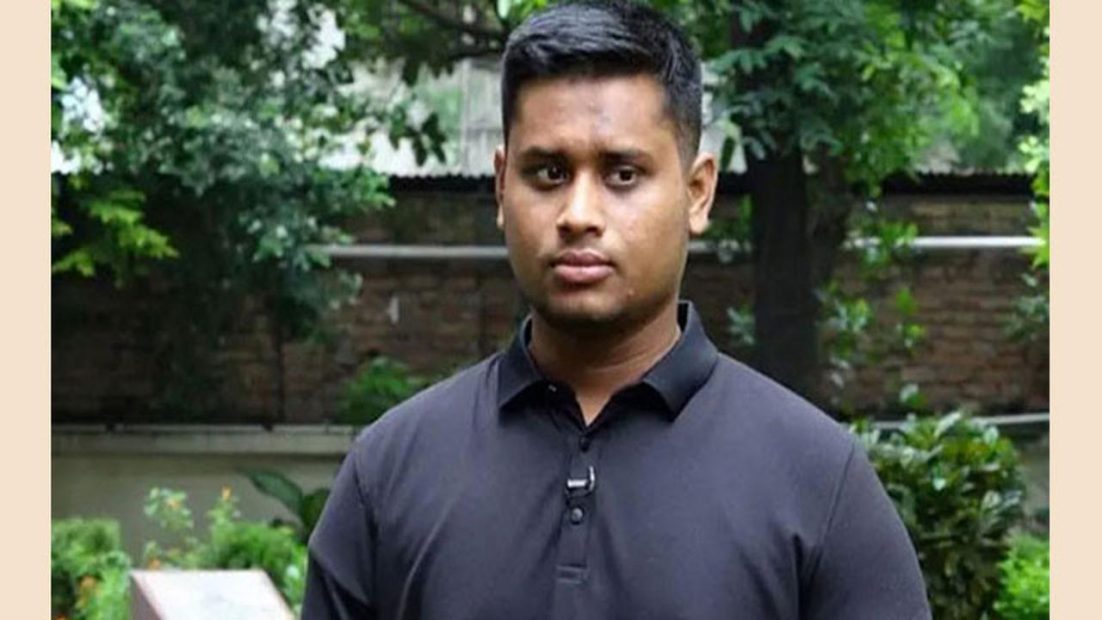
Commenting on the resignation of State Minister for Liberation War Affairs Ishrak Hossain, NCP leader and Member of Parliament Hasnat Abdullah stated that it is crucial to demand an answer from the government as to why a state minister was forced to take to the streets with a weapon himself to combat drugs. He made these remarks in a status update posted on his official Facebook page on Monday.
Hasnat Abdullah noted that this situation raises serious questions regarding the effectiveness of the police and the Department of Narcotics Control under the Ministry of Home Affairs. If the institutions responsible for drug control had performed their duties properly, why would a state minister need to take to the field directly? He questioned whether the responsibility for this situation lies solely with Ishrak Hossain, or if the relevant institutions also share the blame. If state institutions fail to play an effective role in controlling drugs, the responsibility extends beyond the concerned authorities to the Home Minister himself.
The NCP leader wrote that if forcing a state minister to step down is considered a solution, how will the accountability of state institutions be ensured? When responsible state entities function effectively, a state minister should not have to take the law into his own hands. A similar question arises when the Prime Minister has to visit a hospital in person to inspect restrooms. Specific authorities and monitoring mechanisms exist to ensure cleanliness and service standards in hospitals. If those systems functioned properly, questioning whether the Prime Minister needed to make direct inspection visits is only natural. This is not merely about hospital cleanliness, but a question of how effectively the responsible institutions are functioning.
He further noted that if every sector of state administration requires direct supervision by the Prime Minister or street-level anti-drug initiatives by a state minister, the responsibility and efficiency of the concerned institutions will inevitably be questioned. The most critical question is: if the Ministry of Home Affairs continues to operate this way and the public eventually takes to the streets in protest, what will the government do? Whom will it force to resign to evade responsibility? Removing an individual may temporarily manage a crisis, but it does not resolve institutional failure. To make the state functional, the capacity of responsible institutions must be ensured, the causes of failure investigated, and the responsible individuals held accountable. Otherwise, removing one person will achieve nothing other than concealing the root of the problem.
Ultimately, State Minister Ishrak Hossain fell victim to the failure of Home Minister Salahuddin Ahmed, who was convicted in cases involving enclosure grabbing, corruption, and bribery.