Kendua’s Historic ‘Khojar Dighi’ Faces Extinction as Ancient Archaeological Relics Crumble
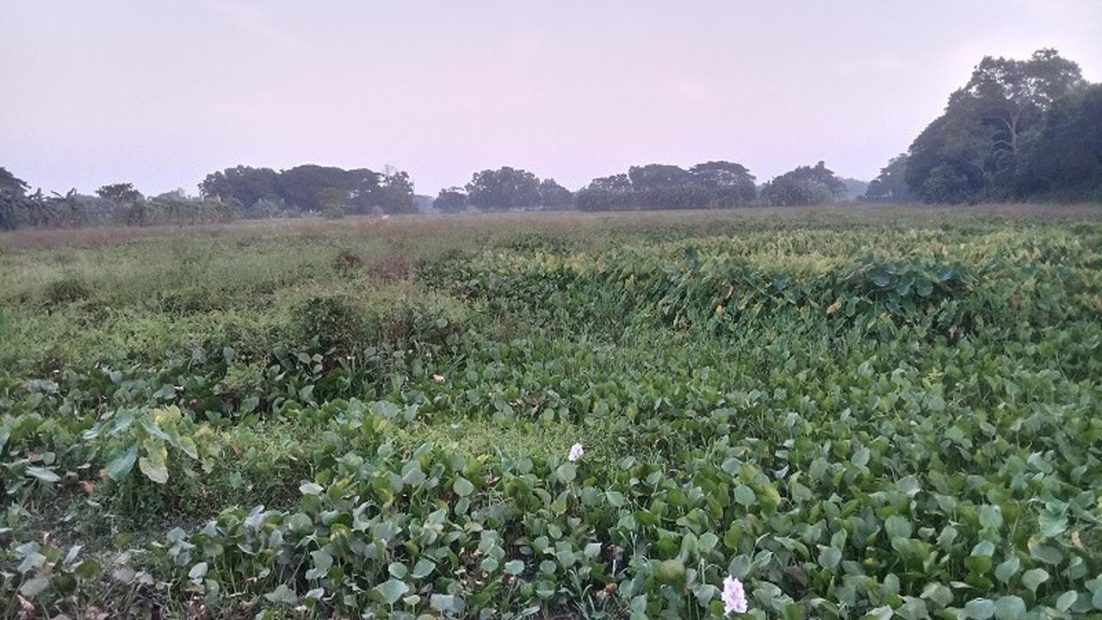
The historic Khojar Dighi and nearby archaeological remains in Jafarpur village of Kandiuara Union in Kendua upazila, Netrokona, are at risk of disappearing due to a lack of preservation and maintenance. The ruins of ancient structures around the pond have been covered by soil, shrubs and vegetation after years of neglect.
Local residents and history enthusiasts have expressed concern over the site’s deteriorating condition. They have called for urgent government action to preserve the pond and its archaeological remains and develop the area into a tourist destination.
Khojar Dighi is located about 1 to 1.5 kilometres north of the upazila headquarters. The water body covers approximately 18 acres, and several local accounts offer different explanations for its name and history.
According to local folklore, the pond is associated with Khwaja Usman Khan Lohani, a prominent Afghan ruler of Bengal. Some believe that a pond excavated by him, known as Khaja Dighi, gradually became known as Khojar Dighi. Another account suggests that during the Mughal period, a local influential person bearing the title Khwaja or Khan excavated it to address a shortage of drinking water.
Another account links the name to a eunuch ruler who allegedly excavated the pond. However, archaeological investigations and documented research are needed to verify these claims.
A visit to the site on Tuesday revealed water hyacinths floating on parts of the pond, with birds flying over the water. Trees and bushes surround the pond, while the ruins of an ancient mosque, an old mansion and elevated structures remain along its banks.
Most of the remains, made of ancient bricks and lime mortar, are covered by soil and vegetation. A large well is also mentioned in local accounts, but no trace of it remains. The lack of a boundary wall and regular maintenance has further obscured the site’s historical significance.
Residents said no visible government initiative had been taken to preserve the site. They added that the absence of research into the ruins, including their origins and construction periods, had left much of their history unknown.
The site is accessible by rickshaw or motorcycle from the upazila headquarters, but the access road is unpaved and partly in poor condition. There are also inadequate visitor facilities, including seating, toilets, an information centre and directional signs.
Local history enthusiasts believe Khojar Dighi, like Kendua’s Roailbari Fort, could provide insights into the region’s political, social and cultural history. They said archaeological surveys and conservation efforts could help establish its historical significance and attract tourists.
Residents have urged the Department of Archaeology and the relevant authorities to inspect the site, assess its historical importance and take steps to preserve the ruins. They also called for the restoration of the pond’s environment, action against any illegal occupation and improvements to access roads and visitor facilities.
They fear that continued neglect and natural erosion could destroy this important part of Kendua’s heritage. They have called for its preservation so that future generations can learn about the region’s history.