Global Experts Move to Phase Out Leap Seconds in Timekeeping
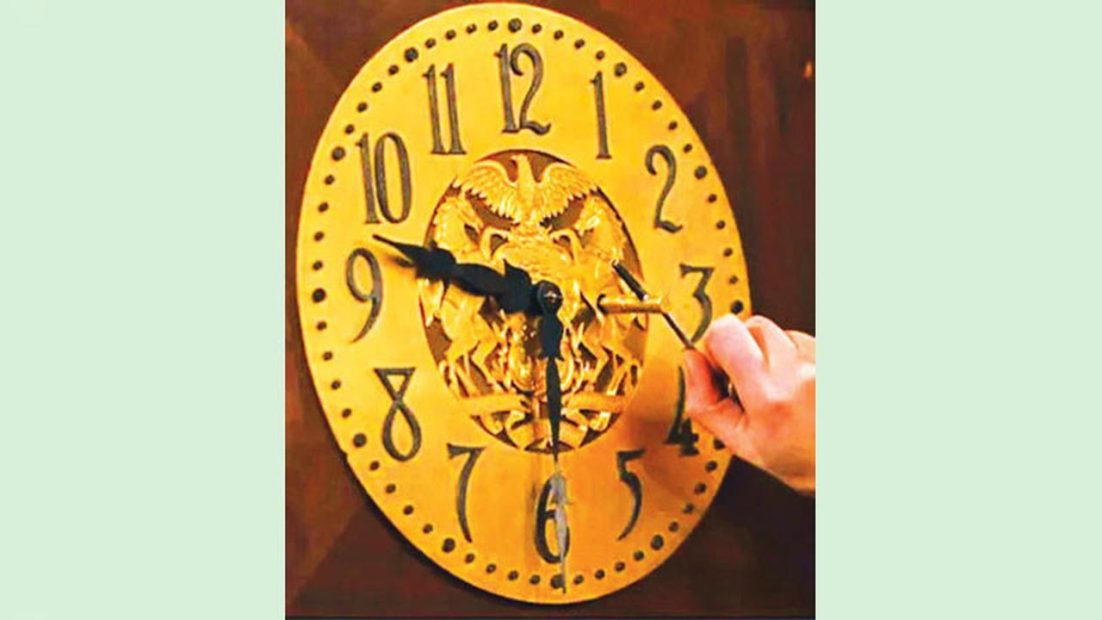
International timekeeping experts and scientists have decided to make a major change to the system used to measure time worldwide. The decision calls for the gradual phase-out of the “leap second,” which has been used for nearly 50 years to reconcile differences between highly precise atomic clocks and the Earth’s rotation.
The Earth’s rotational speed around its own axis fluctuates slightly, while atomic clocks maintain extremely precise time, measuring fractions of a second with exceptional accuracy. To bridge the gap between the two, an additional second has occasionally been added to or subtracted from Coordinated Universal Time (UTC) since 1972.
However, in the modern internet era, these sudden one-second adjustments pose a risk of major technological disruptions worldwide. Experts have agreed to phase out leap seconds to avoid recurring confusion and software errors affecting satellite navigation systems (GPS), aviation flight control systems, banking transactions and international servers.
Instead, the international community is moving towards introducing a new, long-term and safer method of maintaining global timekeeping in the future.
Source: Googly News