UN Calls on India to End Excessive Use of Force Against Protesters
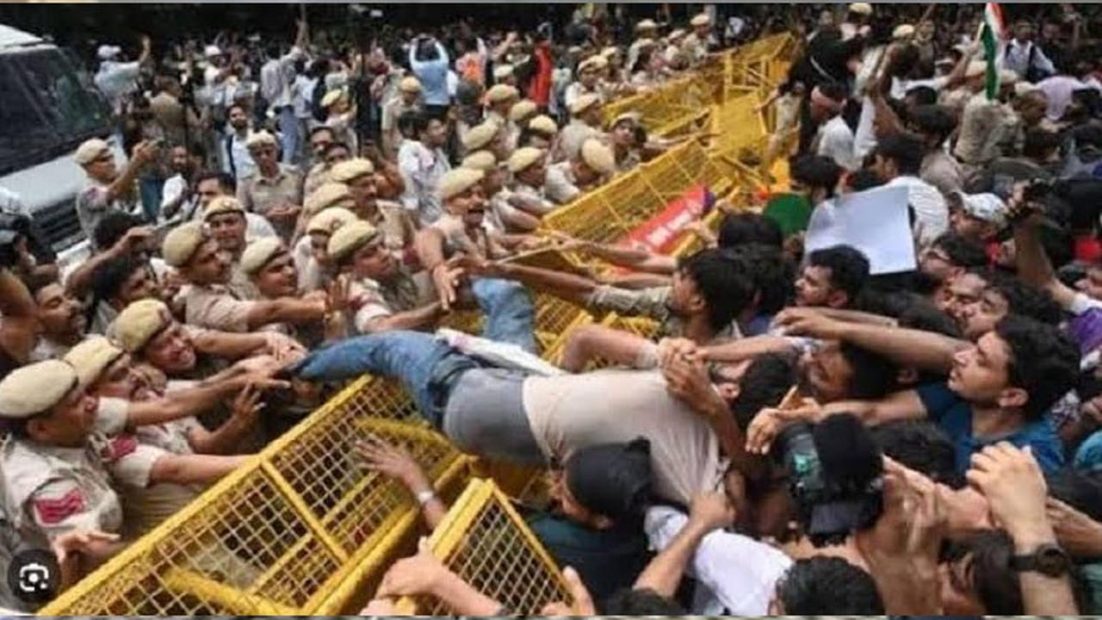
United Nations human rights experts have called on Indian authorities to end the excessive use of force by law enforcement agencies against opposition parties and student protesters and ensure impartial investigations. Expressing concern over allegations of police beatings of unarmed students during peaceful assemblies, the detention of protesters, and sexual and gender-based violence, they urged the authorities to ensure accountability.
In a statement issued on Tuesday (October 20), 24 independent UN experts made the appeal to Indian authorities. Al Jazeera and Reuters reported the development.
In the statement, the experts said there had been allegations of force being used against unarmed students even as they exercised their right to peaceful assembly. In addition to beatings with batons, authorities were also accused of preventing thousands of people from participating in protests. They expressed deep concern over allegations of sexual violence and gender-based abuse during demonstrations and related detention operations.
“We call on the authorities to immediately end the excessive use of force, lift blanket bans on assemblies, and refrain from the misuse of digital surveillance, including biometric monitoring, and from disrupting internet connectivity,” the experts said.
They stressed the importance of impartial investigations into law enforcement agencies’ conduct towards protesters, incidents of injuries and allegations of mistreatment during detention. They also emphasised that protecting human rights requires safeguarding the right to peaceful assembly and holding those responsible for alleged violations accountable.
The UN Human Rights Council appoints independent experts to monitor and document specific human rights situations. Although they operate under the UN’s special procedures, they work independently, and their statements do not represent collective decisions by UN member states.
India has previously rejected similar international criticism, describing it as interference in the country’s internal affairs. Earlier this month, the UN human rights office expressed concern over widespread detentions linked to protests, but India maintained a similar position.
Meanwhile, protests have been taking place across India this month under the leadership of the Cockroach Janata Party (CJP), other opposition parties and student organisations. The movement, which began with demands for the resignation of Chief Election Commissioner Gyanesh Kumar, has been driven largely by controversy surrounding the revision of electoral rolls. The reported removal of the names of approximately 130 million voters has fuelled political tensions in the country.
Protesters allege that the removal of names from electoral rolls has disproportionately affected poor and homeless people, as well as members of minority communities, including Muslims. They argue that the process risks undermining the voting rights of groups that do not support Prime Minister Narendra Modi’s Hindu nationalist Bharatiya Janata Party (BJP).
However, the BJP and the Election Commission of India have rejected these allegations. The Election Commission says the revision of electoral rolls is intended to remove the names of deceased, relocated and duplicate voters, as well as other ineligible individuals. It has also said that eligible voters whose names have been mistakenly removed can apply for their reinstatement and pursue appeals.
The opposition’s campaign against the electoral roll revision, the role of law enforcement agencies in handling protests and allegations of human rights violations have further intensified political debate in India. The UN experts’ latest appeal has once again brought the need for impartial investigations and the protection of protesters’ rights into focus.