Solar Power Capacity in Government Offices Exceeds 5 Megawatts
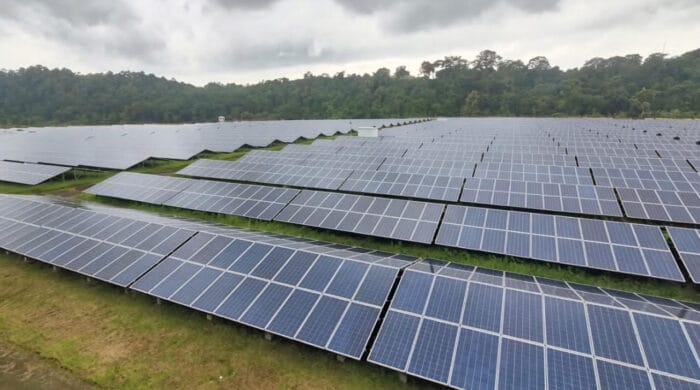
Solar power generation capacity on the rooftops of various Deputy Commissioner (DC) and Divisional Commissioner offices across the country has crossed 5 megawatts, reaching a total of 5,068.5 kilowatts. Implemented through a government expenditure of approximately BDT 151,486,000, this initiative aims to reduce electricity bills for public offices and ease the strain on the national grid. Specifically, DC offices account for 4,663 kilowatts, while five Divisional Commissioner offices contribute 405.5 kilowatts.
Despite the successful installation of these rooftop systems, their full financial and operational benefits remain unrealised due to pending net metering approvals. For instance, the Shariatpur DC office features a 24-kilowatt system generating around 800 units monthly against a demand of 5,000 units, yet bill adjustments cannot proceed. Furthermore, implementation challenges and bureaucratic hurdles led to installation failures in Tangail, Madaripur, Narsingdi, Narayanganj, Chuadanga, and the Mymensingh Divisional Commissioner’s office.
Highlighting the broader significance of the project, Shafiqul Alam, Lead Analyst at the Institute for Energy Economics and Financial Analysis (IEEFA), noted that while the national contribution is modest, its effective use can set a crucial precedent for public and private buildings. He strongly emphasised the urgent need to minimise bureaucratic delays in net metering and advance connection activities through coordinated efforts to maximise efficiency.
This program aligns with the Renewable Energy Development Strategy 2026-2030, which sets an ambitious target of achieving 10,500 megawatts of renewable energy capacity by 2030, with 5,500 megawatts designated from rooftop solar. Currently, SREDA data indicates the nation’s total renewable capacity stands at 1,935 megawatts, where solar power alone accounts for 1,642 megawatts, underscoring the vital role of government infrastructure.