Tight Race in Israeli Election as Two Blocs Tie with 51 Seats Each
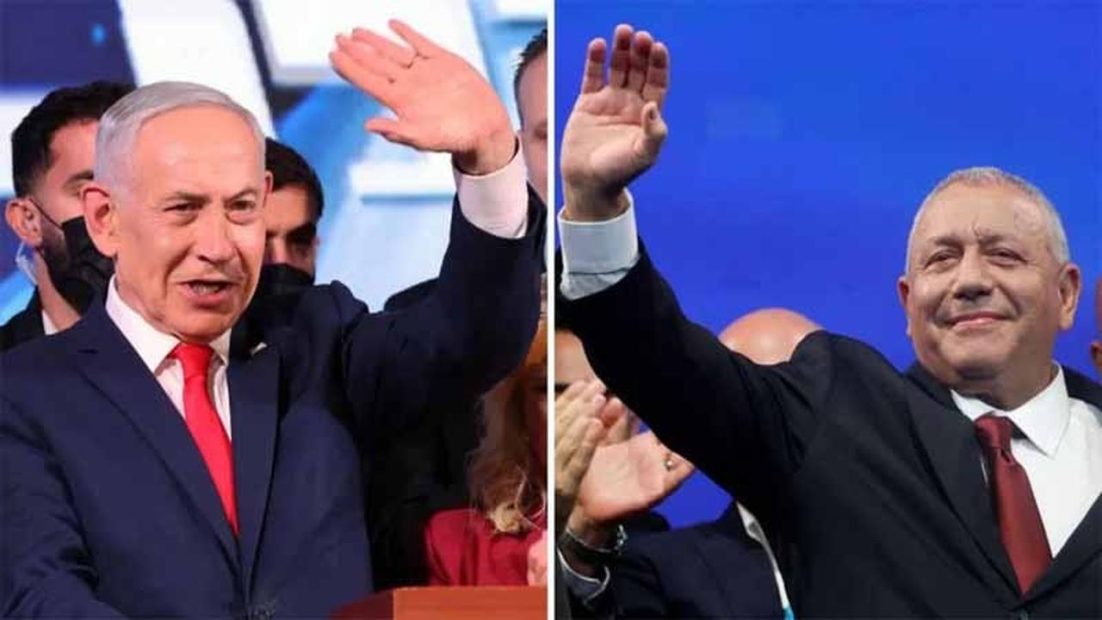
Exit polls from Israel’s general election have indicated a close contest between Prime Minister Benjamin Netanyahu’s bloc and the opposition bloc led by Gadi Eisenkot. In the latest projections, two broadcasters have allocated 51 seats each to the two blocs in the 120-member parliament. As a result, neither side has secured the 61 seats required for a parliamentary majority to form a government on its own.
Exit poll results released after voting ended on Tuesday (October 27) were updated several times throughout the night. The latest projections by Israel’s public broadcaster Kan-11 and Channel 13 showed Netanyahu’s right-wing bloc and Eisenkot’s opposition bloc tied in terms of seats. However, Channel 12’s poll projected 52 seats for Netanyahu’s bloc and 49 for the opposition. The differences among the polls have added to uncertainty over the final results.
Netanyahu’s Likud Party is projected to emerge as the largest single party. According to Kan-11’s updated figures, Likud could win 27 seats, while Eisenkot’s Yashar Party is projected to secure 21. However, becoming the largest single party in parliament does not necessarily guarantee the majority needed to form a government.
Arab-led parties have also emerged as significant players in the election. Various exit polls projected that the two parties could collectively win 18 to 19 seats. With neither of the two main blocs securing the required majority, these parties could play an important role in negotiations to form the next government.
At Likud’s headquarters in Jerusalem, party activists and supporters celebrated after the exit poll results were announced. Addressing them, Mr. Netanyahu claimed that his right-wing bloc had a substantial majority and called for the formation of a strong right-wing national government.
Meanwhile, Mr. Eisenkot addressed supporters at his party’s headquarters in Tel Aviv. He said the election results indicated that the people wanted change and had voted against Mr. Netanyahu’s rule. He also pledged to work towards forming a responsible Zionist government.
Mr. Eisenkot warned that the election results could be challenged. He also urged Mr. Netanyahu to accept the public’s lack of confidence and withdraw from politics. According to Mr. Eisenkot, holding another election after such high voter turnout would be a major mistake.
Voter turnout in Tuesday’s election was among the highest in several decades. According to the Central Elections Committee, turnout stood at 77.7 per cent when polling stations closed at 10pm local time. This was the highest turnout recorded by that time since 1999.
The election was Israel’s first general election since the deadly Hamas-led attack on Israel on October 7, 2023. The subsequent wars involving Gaza, Lebanon and Iran, along with the country’s security situation, became major issues during the campaign. Other key topics included accountability for the security failures of October 7, pressure over military service, judicial reforms and Israel’s position on the international stage.
Exit polls do not represent the final election results. The actual distribution of seats will be confirmed after the official vote count is completed. Israeli President Isaac Herzog will then consult political parties before deciding whom to task with forming a government. The process could take several weeks. If no bloc succeeds in forming a government, the country could face another election.
Sources: Reuters, Al Jazeera and The Times of Israel.