Could Benjamin Netanyahu Remain in Power Without a Parliamentary Majority?
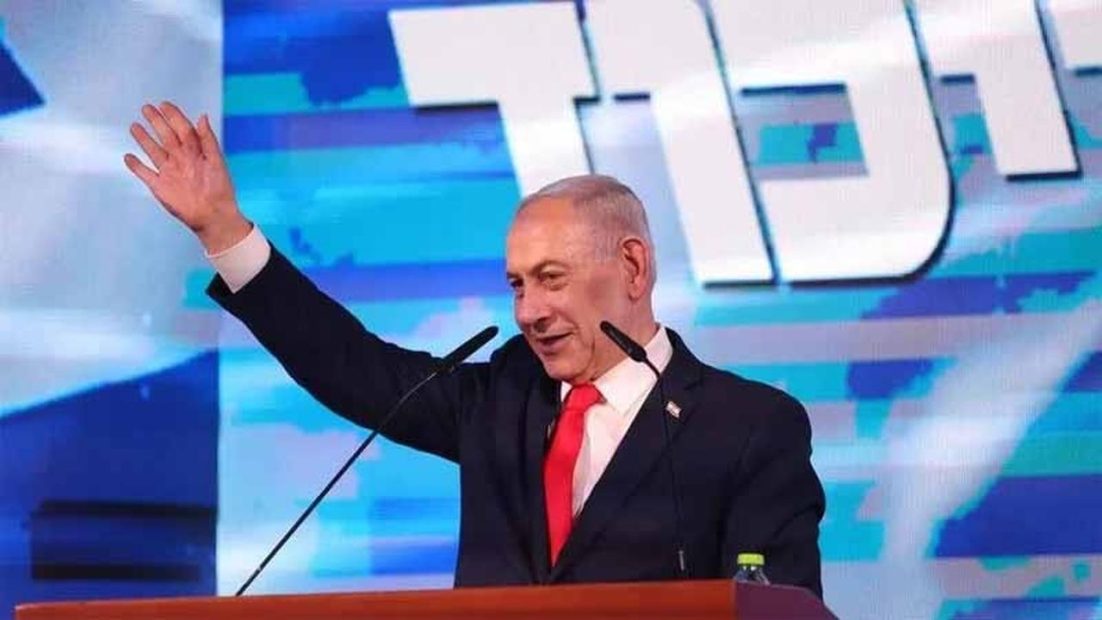
No bloc has secured the majority required to form a government in Israel’s general election. Although the bloc led by Prime Minister Benjamin Netanyahu is ahead in the partial results, it remains short of a parliamentary majority. As a result, Mr. Netanyahu could continue serving as caretaker prime minister until negotiations over the formation of a new government are completed. Meanwhile, the increased number of seats won by Arab parties has become an important factor in calculations over government formation.
According to partial results released by Israel’s Central Elections Committee on Wednesday (October 28), Netanyahu’s bloc had won 54 seats after approximately 72 per cent of the votes had been counted. The bloc led by his main rival, Gadi Eisenkot, had secured 48 seats, while Arab parties had won 18 seats. At least 61 of the 120 seats in Israel’s parliament, the Knesset, are required to form a government. Neither side is therefore currently in a position to form a government on its own.
Two aspects of the election results have become particularly significant. First, although Netanyahu’s bloc has won the largest number of seats, it has failed to secure a majority. Second, the number of seats won by Arab parties has reached a level that could increase their influence in negotiations over government formation. However, support from Arab parties alone would not necessarily guarantee that either bloc could form a government.
What Lies Ahead for Netanyahu?
Mr. Netanyahu’s main challenge is to secure the seats needed to form a government. To achieve this, he may have to seek support from parties outside his current bloc. However, his political differences with opposition parties and their positions on coalition-building could complicate the process.
Meanwhile, the opposition bloc led by Mr. Eisenkot is also short of a majority. It will need to seek support from other parties to form a government. However, there are differences among opposition leaders over whether to enter into a formal coalition with Arab parties. During the election campaign, several leaders, including Naftali Bennett, expressed objections to forming a government with Arab parties.
Nevertheless, support from Arab parties, cooperation from outside a governing coalition or strategies such as abstaining from voting could influence the calculations surrounding government formation. Ultimately, the parties’ political positions and ability to reach mutual agreements will determine which side has the opportunity to form a government.
Israeli President Isaac Herzog is responsible for consulting political parties and assigning the task of forming a government to the candidate considered most likely to succeed. Under the country’s rules, the nominee must secure the necessary support within the stipulated period. If the attempt fails, another candidate may be given an opportunity. If no one succeeds in forming a government, the country could face another election.
During this process, Mr. Netanyahu may continue serving as prime minister. The outgoing government generally remains in office in a caretaker capacity until a new government is sworn in. However, this does not mean Mr. Netanyahu has secured the parliamentary majority needed to form a new government or that he will remain prime minister for another term.
Could New Conflicts Affect Israeli Politics?
Israel’s security situation has also become an important issue in political discussions following the election. Amid ongoing conflicts involving Iran and neighbouring regions, concerns about the possibility of renewed military escalation remain part of the debate. Such developments could influence negotiations over government formation and the positions adopted by political parties.
However, there is no confirmed evidence to present as fact the claim that Mr. Netanyahu might initiate a new war to remain in power politically. It is too early to determine how the military situation and negotiations over government formation will affect one another.
Negotiations between Netanyahu’s Likud Party and opposition parties are likely to become increasingly important in the coming days. Only after the final vote count, agreements among the parties and the president’s consultations will it become clear who will have the opportunity to form a government. Until then, Mr. Netanyahu may remain in office as prime minister, but his political future remains uncertain.
Sources: Reuters, AP and The Times of Israel.