Ports, Pawns and Power: The Harmful Impact of Foreign Capital Like DP World
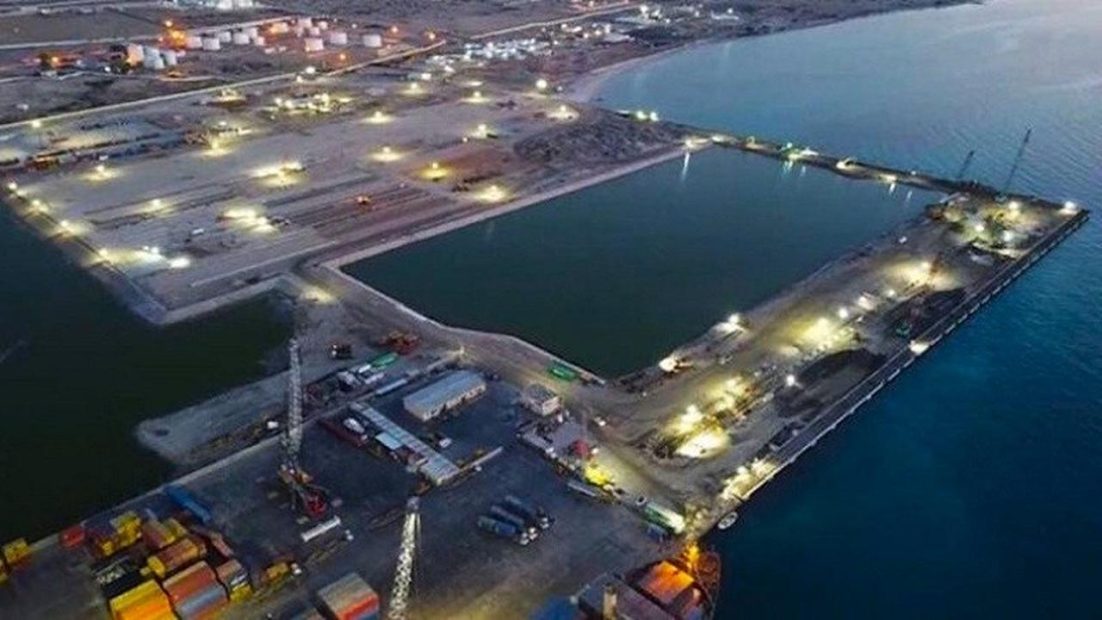
Foreign investment in promising regions is increasingly becoming a tool for advancing geopolitical ambitions rather than generating commercial profits. Ports are turning into instruments of strategic rivalry. The operations of the United Arab Emirates-based logistics company DP World in the Horn of Africa have demonstrated how controversial infrastructure deals can heighten regional tensions, undermine sovereignty and expose weaknesses in public accountability.
The dispute intensified in 2018 when Djibouti took control of DP World’s Doraleh Container Terminal. The Djiboutian government alleged that DP World had deliberately restricted the terminal’s capacity to divert shipping traffic towards Dubai’s Jebel Ali Port. Although an international arbitration tribunal based in London awarded DP World hundreds of millions of dollars in compensation, Djibouti disregarded the ruling and transferred the terminal’s operational partnership to China Merchants Port Holdings.
Following its dispute with Djibouti, DP World expanded its operations in Somaliland. Somaliland has declared itself an independent republic, but Somalia considers it part of its sovereign territory. DP World’s investment in Somaliland’s Port of Berbera, along with a trilateral port-use agreement involving landlocked Ethiopia, alarmed Mogadishu and threatened Djibouti’s lucrative position in regional trade. A controversial memorandum of understanding signed between Ethiopia and Somaliland further heightened tensions.
The agreement proposed leasing a 20-kilometre stretch of Somaliland’s Red Sea coastline to Ethiopia for the establishment of a naval base. In return, Ethiopia would consider recognising Somaliland as a state. Somalia described the agreement as an act of “aggression”. Diplomatic efforts followed, while Ethiopian generals warned of possible military action. The memorandum subsequently stalled.
The episode demonstrates how port-centred investment can fuel territorial disputes and push an entire region towards conflict. The UAE has invested in ports as part of its efforts to expand its regional influence.
Turkey, meanwhile, has established its presence through commercial and security partnerships alongside humanitarian assistance. Turkish companies currently operate Mogadishu’s main airport and seaport, hold offshore oil exploration rights and run Turkey’s largest military training facility in Africa. When the 2024 agreement between Ethiopia and Somaliland emerged as a threat to regional stability, Somalia turned to Ankara for maritime security guarantees.
In this highly charged environment, the initial returns on investment are not measured in percentages or dividends. Instead, they are assessed in terms of strategic influence, geopolitical standing and control over maritime routes. In a conventional market, unprofitable investments would be abandoned. In the Horn of Africa, however, a defining feature of what can be described as extractive capital is that political ambitions aggressively override corporate profits.
When investment agreements involving entities from countries such as the UAE and Turkey are negotiated behind closed doors, they can bypass parliamentary scrutiny, competitive procurement processes and environmental oversight. The consequences then extend far beyond port facilities.
Opaque financing can weaken state institutions, shield ruling elites from accountability, distort markets and divert resources away from public services. A case in point is the UAE’s reported substantial financing of Ethiopian Prime Minister Abiy Ahmed’s secretive $10 billion “Chaka Project”, which involves plans to build a palace complex and satellite cities. These developments are being pursued while Ethiopia grapples with post-conflict reconstruction, currency instability and severe shortages in healthcare and education.
Around 15 per cent of global trade passes through the Bab el-Mandeb Strait, near Djibouti and Ethiopia, making maritime access a powerful geopolitical asset. The ultimate danger is that foreign capital may strengthen political elites and expand their strategic influence while simultaneously weakening the sovereignty and institutions of host countries.
Without transparency and accountability, modern ports risk becoming instruments of geopolitical pressure rather than engines of sustainable development.
Source: Eurasia News