Pakistan Guardedly Optimistic About Iran-US Mediation
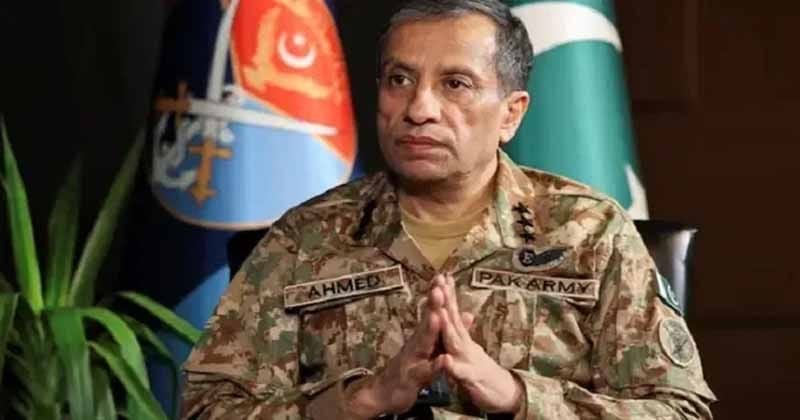
Expressing cautious optimism over ongoing mediation efforts between Iran and the United States, Pakistan’s military spokesperson Lieutenant General Ahmed Sharif Chaudhry highlighted that successive visits to Tehran by the country’s army chief reflect tangible diplomatic progress. In an interview with Reuters on Friday, October 30, he noted that while Islamabad remains hopeful, a degree of caution is necessary due to lingering regional complexities. He remarked, ‘If there weren’t anything positive, why would the Field Marshal go there twice? So yes, absolutely,’ while emphasizing that certain influential factions still believe their interests are better served by prolonged conflict.
The diplomatic push is being led by Field Marshal Asim Munir, Pakistan’s Army Chief, who traveled to Tehran twice this month to reduce bilateral tensions. His latest trip on October 26 was conducted alongside Saudi Defense Minister Prince Khalid bin Salman and Turkish Intelligence Chief İbrahim Kalın for quadripartite security talks. Mr. Ahmed Sharif declined to reveal specific details of the confidential discussions or confirm whether Washington has formally endorsed the initiative, but underscored that bringing the key regional actors together represents a major step forward in facilitating active communication between the opposing sides.
Following the high-level quadrilateral session, Ali Akbar Rezaei, Secretary of Iran’s Supreme National Security Council, asserted that regional security must be established by regional nations without foreign interference. He stated that all four participating countries, Iran, Pakistan, Saudi Arabia, and Turkey, agree that regional crises can be resolved through cooperation. Describing the talks as positive, Mr. Rezaei expressed confidence in stronger collaborative efforts moving forward. The Pakistani Ministry of Foreign Affairs similarly noted that direct engagement between Washington and Tehran serves as a clear indication of advancing mediation efforts.
The conflict, which erupted eight months ago following US and Israeli strikes on Tehran, has expanded into a broader regional war, severe security risks, and disruptions along the vital Strait of Hormuz energy supply line. In response, Pakistan initiated diplomatic measures to bring Washington and Tehran back to negotiations and draft a preliminary memorandum of understanding. The involvement of regional heavyweights Saudi Arabia and Turkey alongside Pakistan has significantly intensified diplomatic mobilization, fostering renewed hopes for de-escalation, long-term stability, and the restoration of maritime commerce across the region.
Source: Reuters