Islamic Guidelines on Cleanliness Education and Disease Prevention
Islam is a comprehensive way of life that imparts teachings of cleanliness, purity, discipline, and well-being across individual, family, societal, and state affairs. For every believer, the importance of maintaining purity in worship, manners, and daily living is immense, serving as a vital component of a clean and responsible lifestyle. Modern medical science reinforces this perspective, demonstrating that proper handwashing practices effectively reduce the risk of diarrhea and various infectious diseases. Consequently, believers are encouraged to harmonize these health-conscious habits with timeless spiritual values.
The foundational nature of cleanliness in Islam is highlighted in the Holy Quran, which states, ‘Indeed, Allah loves those who are constantly repentant and loves those who purify themselves’ (Surah Al-Baqarah: 222). This profound verse emphasizes that purity encompasses physical cleanliness, ritual worship, and freedom from spiritual defilement. Furthermore, Almighty Allah instructs humanity in Surah Al-Muddaththir (Verse 4) to, ‘And your clothing purify.’ These divine directives urge every Muslim to maintain personal hygiene, pristine clothing, tidy living spaces, and clean surrounding environments.
Elevating the status of hygiene further, Prophet Muhammad (PBUH) stated, ‘Purity is half of faith’ (Sahih Muslim: 223). While religious regulations regarding ablution, ritual baths, and prayer spaces differ in domain from modern scientific concepts of germ-free living, they serve as mutual complements. Adhering to spiritual disciplines alongside adopting scientifically recognized health guidelines fosters a truly holistic and clean lifestyle. Both dimensions reinforce the shared objective of promoting physical and moral well-being.
Human hands frequently accumulate pathogens from door handles, mobile phones, currency, public transport, and contaminated environments. Touching the eyes, nose, mouth, or food with unwashed hands allows these harmful microorganisms to enter the body and cause infections. Washing hands properly with soap and safe water eliminates germs and dirt, mitigating the spread of diarrheal diseases and respiratory infections. This practice is exceptionally critical for safeguarding vulnerable populations, including children, the elderly, and the sick.
Food safety represents a critical area where hand hygiene is indispensable for preventing the introduction of pathogens into the body. Hands must be washed with soap prior to food preparation, food service, and eating, as well as after meals. Regarding dining etiquette, Hazrat Aishah (RA) narrated that Prophet Muhammad (PBUH) said, ‘If anyone of you eats, he should not wipe his hand until he has licked it or had it licked by someone else’ (Sahih Muslim: 2031). While this tradition primarily teaches respect for food and the prevention of waste, contemporary medical science mandates thorough handwashing with soap to maintain absolute food hygiene.
Certain daily activities demand heightened vigilance regarding hand hygiene to prevent cross-contamination and the spread of illness. Thorough handwashing with soap is essential after using the restroom, handling raw meat, fish, or eggs during food preparation, and before consuming meals. Additional critical junctures include following coughing or sneezing, cleaning up after children or changing diapers, caring for the sick or touching wounds, and returning home from outside environments. Maintaining these consistent habits protects both the individual and the surrounding community.
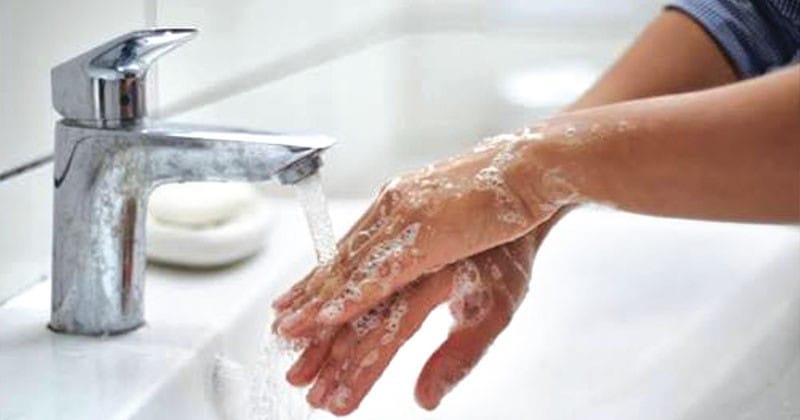
Effective hand hygiene requires more than simply rinsing hands with water; it necessitates rigorous scrubbing with soap. According to World Health Organization guidelines, the complete handwashing process should span 40 to 60 seconds. This involves wetting hands under running water, applying soap, and thoroughly scrubbing palms, the backs of hands, finger spaces, thumbs, around nails, and wrists. Afterward, soap must be rinsed off completely and hands dried with a clean towel. When soap and water are unavailable, and hands are not visibly soiled, alcohol-based hand sanitizers containing at least 60% alcohol serve as a viable alternative.
Instilling these vital habits in children from an early age is a primary responsibility for guardians, educators, and society. Because children frequently contact soil and dust during play, they are highly susceptible to infections and require proper guidance. Adults must lead by example through consistent hygienic practices within households, mosques, madrasas, and schools. Furthermore, ensuring the widespread availability of soap and safe water in public and educational institutions empowers youth to grow into conscious and responsible citizens.
In conclusion, Global Handwashing Day serves as a powerful call to action emphasizing personal hygiene and public health responsibility. By integrating the profound Islamic teachings of purity from the Quran and Hadith with scientifically endorsed health guidance, communities can effectively safeguard well-being. Cultivating the regular habit of handwashing with soap before meals, after using the restroom, and during critical daily junctures protects families and society at large. Ultimately, cleanliness transcends a mere personal routine, remaining intrinsically linked to human welfare, accountability, and a healthy way of life.