Palestinian Citizens of Israel Weaponize the Ballot Against Discrimination
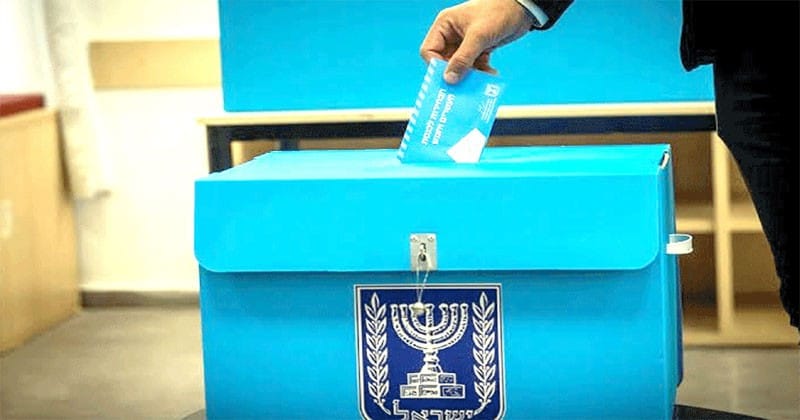
For decades, many Palestinian citizens of Israel boycotted elections, refusing to legitimize a system they felt oppressed and sidelined them. However, a historic shift occurred as Arab Israelis flocked to the polls in record numbers, reaching an estimated 80 percent turnout compared to just 53 percent previously. This massive surge successfully secured 19 seats in the 120-seat parliament, granting Arab parties unprecedented political clout and preventing PM Benjamin Netanyahu from forming another right-wing government.
Several critical factors fueled this dramatic mobilization, chief among them being escalating violent crime within the Arab community driven by police neglect. Additionally, voters were galvanized by a fierce determination to oust PM Benjamin Netanyahu and end his hardline coalition, which included ministers like Itamar Ben-Gvir and Bezalel Smotrich. Tensions peaked on election night as crowds at the Joint List headquarters chanted ‘Ben-Gvir, get out!’ in fierce opposition to Israel’s National Security Minister.
The Netanyahu government’s oversight of a devastating three-year war in Gaza and years of violent settler raids in the occupied West Bank further intensified Arab outrage. Dr. Ahmad Tibi, a top leader of the Joint List, emphasized this sentiment, stating, ‘Our community wanted to oust this criminal government to change the dire reality created by the policies of Netanyahu, Smotrich, and Ben-Gvir.’ Mr. Tibi noted that high turnout has already begun making a major impact on the nation’s political landscape.
Representing about 20 percent of Israel’s population, this demographic includes historic figures like an 80-year-old woman voting for the very first time in Tira at her nephew’s urging. Her nephew, Mohammad Abdelhai, explained the urgency behind their participation, stating, ‘I told her we had to vote. The previous government treated us very aggressively, so this time we needed every single vote.’ Mr. Abdelhai highlighted that persistent racism and a lack of equal rights between Arabs and Jews were central concerns motivating voters.
With neither Netanyahu’s coalition nor the opposition bloc securing a majority, Arab-majority parties like the Joint List and Ra’am now hold the balance of power. Mr. Tibi revealed that the Joint List is prepared to support an opposition minority government led by former military chief Gadi Eisenkot without demanding ministerial posts. Their sole conditions are tackling violent crime in the Arab community and halting the demolition of Bedouin homes, with Mr. Tibi stating, ‘If they want our help, we are ready to assist. We want to support the opposition candidate.’
While leftist Democratic Party leader Yair Golan embraced the opportunity, stating that leadership requires stopping fear and partnering with Arab citizens, broader political hesitation remains. Mr. Tibi concluded that this reluctance stems from a deeper societal issue: ‘This stems from an extreme racism directed against Arab citizens, who make up 20 percent of the total population. We are a legitimate part of the parliament.’
Source: CNN