Traditional Dhakai Muslin Makes a Comeback Through the Hands of Rupganj Artisans
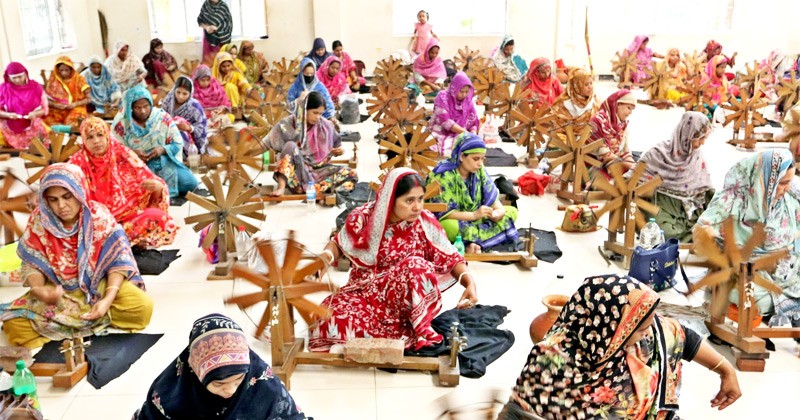
Dhakai Muslin of Bengal was once famous worldwide. Made with very fine thread and skilled weaving, this saree was a symbol of the heritage, elegance, and pride of Bengal. Efforts are now underway in Rupganj, Narayanganj, to bring back this muslin tradition that was nearly lost over time. In this struggle to keep the heritage alive, the artisans play the biggest role. They work tirelessly, with long hours and hard labor, to bring back the glory of the past.
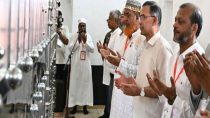
To see the work of muslin and handloom industry in Rupganj up close, Ms. Nafiza Bahauddin, Director and Executive Editor of Daily Inqilab, recently visited several handloom and basic jamdani factories in the upazila. When she visited Dhakai Muslin House, senior officials welcomed her with flowers. She was joined by the wife of Mr. A M M Bahauddin, Editor of Daily Inqilab. Mr. Abdul Kader, Director of the Marketing Department of Daily Inqilab, and other concerned people were also present. They toured different sections of Dhakai Muslin House and learned about the steps of making muslin, the working conditions of the artisans, and the present state of the industry.
During the visit, Ms. Nafiza Bahauddin said that she had read about Dhakai Muslin in books. She had also seen muslin kept behind glass at the Victoria and Albert Museum in London. But she never had the chance to hold this traditional cloth in her hands there. Seeing the historic craft of her own country in the hands of artisans in Rupganj was a great surprise and joy for her. She said it is a truly wonderful feeling to see a traditional craft of one’s own country in a foreign museum, and then to see it alive in the hands of artisans at home. She said this is a matter of pride for our heritage and culture.
A muslin saree takes about three months to make. Thread is made from a special kind of cotton, and after several processes, it is woven on the loom. Every step needs great skill, patience and experience. In the past, one saree took 10 to 12 months to make. Today, better techniques have reduced the time a little. However, changes in weather, a shortage of skilled workers and high production costs have become big challenges for this industry.
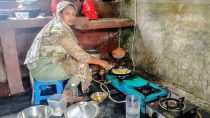
According to those involved, about 116 men and women artisans are working to keep this heritage alive. Among them, 95 are women and 21 are men. One woman artisan said that making a muslin saree takes a lot of time and effort. Still, they do not want to leave this work. This is because it is not only a livelihood, but also linked to the ancient heritage and honor of Bengal.
Mr. S M Abdullah Bin Shafique, Upazila Nirbahi Officer of Rupganj, said that the muslin saree is our ancient heritage. Although people read about it in books, there is a fear that it may be lost today. He said the shortage of workers is also being taken seriously. He said the administration will visit the factories, talk with the artisans and try to take the necessary steps to preserve this heritage.
According to those concerned, Dhakai Muslin and the handloom industry are not just a craft of making cloth. They are part of the history, culture and identity of Bangladesh. To keep this industry alive, it is important to give artisans proper value, train the new generation and ensure support from both government and private sectors. If not, the heritage of muslin, which once spread pride across the world, may one day be limited to the pages of history.