Shafiqur Rahman urges government and political parties to restore unity
Fascist forces exploiting divisions in political unity: Jamaat Ameer
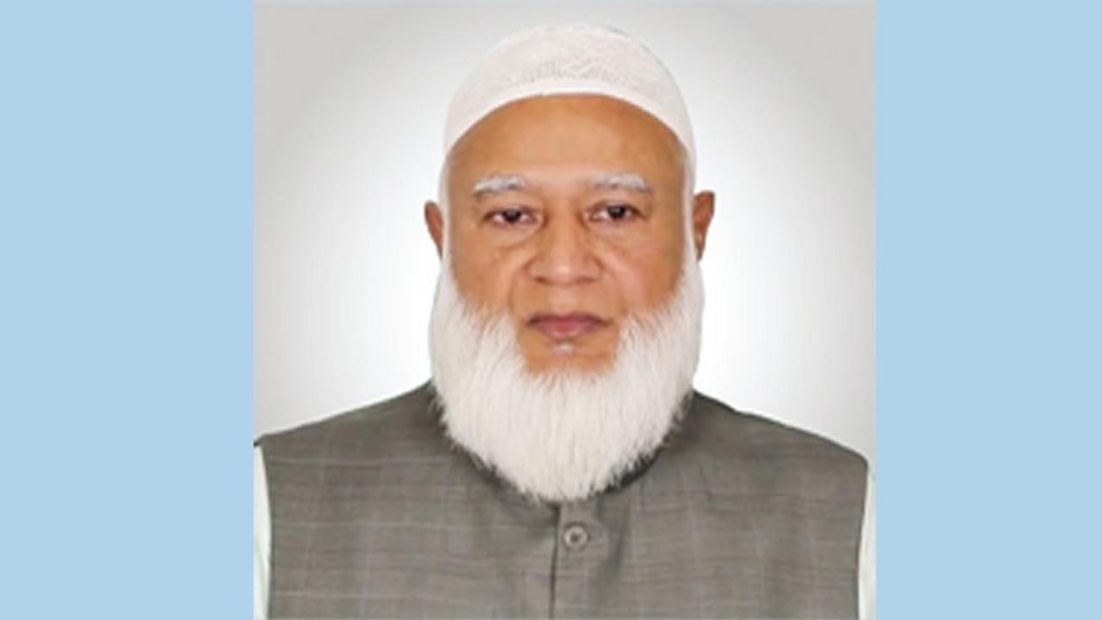
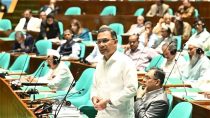
Opposition Leader and Jamaat-e-Islami Ameer Dr Shafiqur Rahman has said that political parties stood together before the election, but divisions have since emerged between the government and the opposition. Weakening unity has created an opportunity for fascist forces to take advantage of the situation.
He made the remarks in his concluding speech at the fourth session of the 13th National Parliament on Wednesday.
Dr Shafiqur Rahman called on the government and political parties to return to a position of unity in the greater national interest. He urged them to preserve their unity against fascism and domination.
He said the current parliament had been formed through two elections, one of which had been implemented while the other was yet to be held. He identified the sheltering and patronage of fascist forces and the weakening of political unity as major reasons behind the current situation.
“We all stood together until the election. We were in the same line and shared the same vision. I humbly urge everyone to return to that position in the greater interest of the country,” he said.
Noting that power was never permanent for anyone, the opposition leader said changes in power were natural. Therefore, reform initiatives should be taken in the national interest rather than for personal or party gains.
He said unity must be restored as soon as possible in light of the sacrifices of martyrs, the expectations of the fighters, the aspirations of martyrs’ families, the public mandate in the referendum and the July Charter.
A strong unity against fascism and domination would help tackle sabotage, arson and violence, he said.
Dr Shafiqur Rahman also said people were once again feeling the shadow of domination. Urging the government to take a firm stand, he said the return of domination to Bangladesh was unacceptable.
“We want friends, sincere friends. We certainly want development partners. But their dignity and ours must be equal,” he said, stressing the importance of building international relations based on mutual respect and equality.
Garment industry must be protected
The opposition leader said the country’s garment industry must be protected at all costs. He noted that the sector accounted for 80 per cent of foreign currency earnings and employed around 4 million workers.
Considering that each worker’s family had an average of four members, around 16 million people depended on the industry, he said. The government must therefore take collective initiatives to protect the sector, adding that the opposition would extend all possible cooperation.
He described the workers’ current monthly minimum wage of Tk 12,500 as inadequate, saying little remained after paying rent and meeting household expenses and children’s educational costs.
At the same time, he said the difficulties faced by factory owners must also be considered. Many factories were unable to maintain production due to shortages of gas and electricity.
The government must ensure adequate gas and electricity supplies, he said, warning that businesses unable to operate would struggle to pay workers’ wages and repay bank loans. This could eventually affect the banking sector, disrupt financial flows and force factories to suspend operations.
He called for appropriate short-term, medium-term and long-term plans to develop the industry.
“If factories survive, workers will survive; similarly, if workers survive, factories will survive. Both owners and workers must be protected. We must save this industry at any cost,” he said.
Call for action against syndicates and extortion
The Jamaat Ameer also expressed concern over rising commodity prices, saying ordinary people were facing increasingly difficult living conditions.
He blamed market syndicates for the situation, noting that producers were not receiving fair prices while consumers were paying more for essential goods.
He called for an end to extortion and strict action against those involved in syndicates.
“Even if I am an extortionist, I must be handcuffed and taken into custody,” he said, stressing that firm action against syndicates and extortion was essential to bringing relief to the people.