Tarique Rahman at 62: From Enduring Conspiracies, Torture and Repression to the Premiership
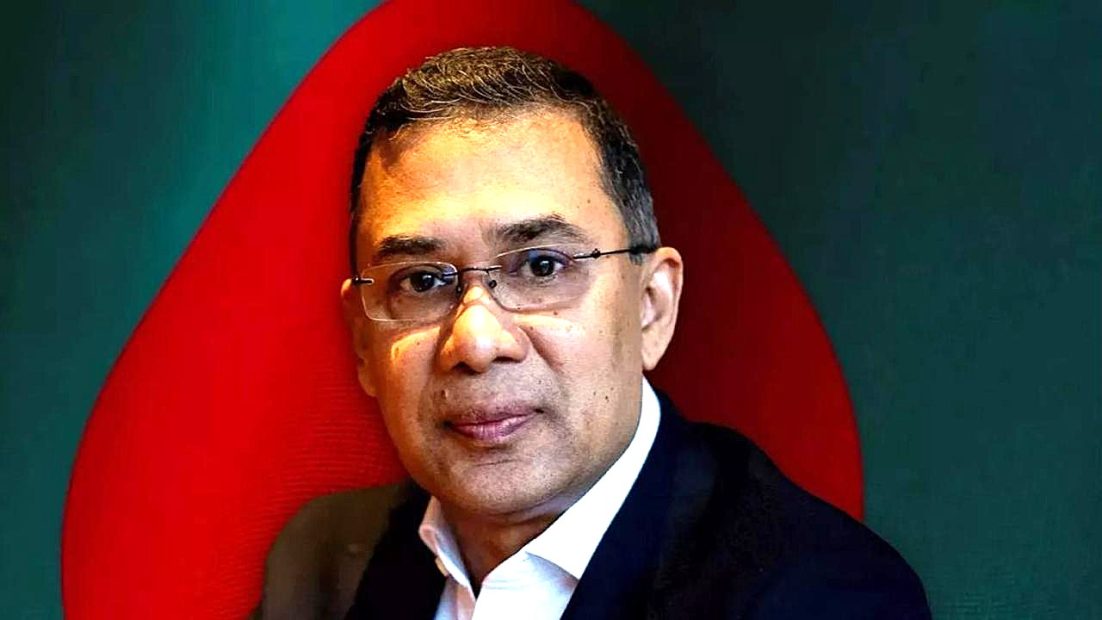
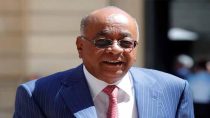
Prime Minister and BNP Chairman Tarique Rahman is celebrating his 62nd birthday today. He was born on November 20, 1965. He is the elder son of Shaheed President Ziaur Rahman and former Prime Minister Begum Khaleda Zia.
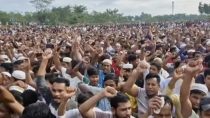
Tarique Rahman spent nearly 18 years in exile due to repression under the 1/11 government and the later Awami League government. During the July-August movement of 2024, BNP leaders and activists joined the movement of students and people under his direction. On August 5, Sheikh Hasina fled to India, ending more than 15 years of Awami League rule.
Tarique Rahman returned to Dhaka from London on December 25 last year. Under his leadership, BNP won more than two-thirds of the seats in the February 12 election this year and formed the government. He became the Prime Minister.
After Hasina fled, the country faced a serious law and order situation. Tarique Rahman directed BNP leaders and activists to guard their local areas and remain alert at temples during religious festivals. He also instructed them to take part in flood rescue, relief and rehabilitation work. He ordered strict action, including arrests, when allegations of land grabbing or extortion were made against party activists.
After becoming Prime Minister, Tarique Rahman has maintained a simple lifestyle. He uses a limited motorcade, avoids unnecessary traffic restrictions and does not keep roads closed for long periods. His approach has been presented as a sign of responsible leadership and careful use of public resources. Over the past nine months, his government has taken initiatives in several sectors. In banking, efforts to recover loans have been increased. The rate of default loans has reportedly fallen from 35.73 percent to 32.78 percent.
The government has also paid about $2.04 billion in principal and interest on foreign loans within five months, despite the repayment pressure from large loans taken during the previous government. Bangladesh has also recorded strong growth in garment exports to the United States and other non-traditional markets.
For low-income families, the government has introduced the Family Card programme, which provides Tk 2,500 a month. The Krishak Card programme has also been introduced to help farmers receive agricultural inputs, loans and government services. Agricultural loans and related interest for around 1.2 million small and marginal farmers have been waived. In healthcare, the government has introduced health cards and taken steps to expand primary healthcare services.
The education sector has also received attention. Government initiatives include free education for girls up to the undergraduate level, mid-day meals in primary schools, free Wi-Fi, new subjects in the curriculum, opportunities for students to observe parliamentary sessions, and sports and innovation competitions. The government has also released Tk 2,000 crore to pay the dues of retired MPO-listed teachers.
Honorariums have been introduced for imams, muezzins and other religious leaders. To protect the environment, the government has launched canal-digging and tree-planting programmes across the country. It has also planned to introduce a Probashi Card to improve services for Bangladeshi expatriates.
The government has highlighted communal harmony as another area of progress. Increased security, higher allocations and additional holidays helped Hindu and Buddhist communities celebrate Durga Puja and Buddha Purnima in a peaceful and festive environment.
To improve governance, the government has taken steps to reduce unnecessary spending, limit the purchase of government vehicles, cut unnecessary foreign trips and overseas training, and strengthen financial discipline and accountability.
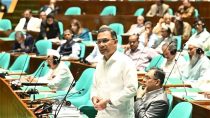
Parliamentary democracy has also started becoming more active. Questions, discussions and institutional oversight are becoming more visible. The initiative to settle 133 ordinances in the first parliamentary session has been presented as an effort to restore parliamentary practices.
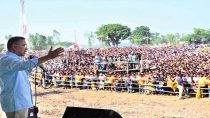
Tarique Rahman has said he wants to build a democratic Bangladesh where every citizen can enjoy their basic rights. His vision also includes fighting global warming, building climate resilience, creating a merit-based society, ensuring equal opportunities and taking Bangladesh further into the global mainstream.
Tarique Rahman is also known for his role in BNP politics and his charismatic leadership. He lost his father at the age of 15 after Ziaur Rahman was killed in 1981. He completed his secondary education at Dhaka Residential Model School and College and higher secondary education at BAF Shaheen School and College.
He later studied at the University of Dhaka and completed his bachelor’s degree. He also enrolled in the Department of Political Science for a master’s degree. After his studies, he entered business and invested in the textile and shipping sectors. He married Dr Zubaida Rahman, daughter of former Air Force chief Rear Admiral Mahbub Ali Khan, on February 3, 1994. Their only daughter is Barrister Zaima Rahman.
Tarique Rahman became involved in politics during his youth and took part in the anti-Ershad movement alongside his mother. His formal political career began as a member of BNP’s Bogura committee. In 1988, at the age of 22, he became a member of BNP’s Gabtali unit in Bogura.
He became active in BNP politics around the 1991 election and later played an important behind-the-scenes role in the party. He became BNP’s Senior Joint Secretary General in 2002.
At BNP’s fifth national council in 2009, he was elected Senior Vice Chairman. He was elected to the same position at the sixth national council.
After Khaleda Zia was sent to jail, Tarique Rahman took charge as the acting chairman of BNP. Following her death, he has been serving as the chairman of the party.